How Survival Mechanics Create Immersive Gameplay
The Art of Struggle: Understanding Survival Mechanics
Welcome to a gaming experience where every single decision carries significant weight. We have all played games where we feel invincible, but there is something uniquely captivating about the struggle for existence. Exploring how survival mechanics create immersive gameplay allows us to understand why titles like Subnautica or Rust feel so intensely real. When the game world demands constant attention to your vitals, it transforms from a simple playground into a formidable adversary.
Whether it is building a shelter against a freezing blizzard or desperately hunting for clean water in a drought-stricken wasteland, this fundamental struggle defines the entire experience. This sense of vulnerability is a stark departure from the typical power fantasies found elsewhere. It forces us to engage with the game world in a way that feels authentic, urgent, and deeply satisfying.
The Psychology of Scarcity and Value
When resources are abundant in a game, they quickly lose their value and become invisible items in our inventory. Survival mechanics flip this script by making every scrap of food, drop of water, or piece of gear feel like a potential lifesaver. This forced scarcity forces us to prioritize and plan, changing how we view the game world entirely.
Suddenly, that simple tree isn't just decoration; it is a vital source of fuel. That pond is no longer a backdrop; it is your lifeline. This shift in perspective creates a deep, tangible connection between the player and their environment.
When you finally find that rare piece of equipment you have been searching for, the feeling of relief is genuine. You aren't just checking a box on a mission list; you are securing your future. This emotional payoff is the direct result of the scarcity that survival games masterfully implement.

Environmental Interactivity as a Hazard
Survival mechanics thrive when the environment becomes an active player in the narrative. Instead of just walking through a map, you are constantly contending with it. The weather, the terrain, and the local wildlife all become hazards you must overcome to stay alive.
This dynamic interaction prevents the player from becoming a passive observer. You must adapt to a sudden rainstorm to avoid hypothermia or navigate treacherous terrain to reach shelter before nightfall. These environmental challenges ensure that the world feels alive and reactive, rather than static.
The Weight of True Consequences
In many genres, dying is just a minor annoyance that sends you back to the last checkpoint. In survival games, death often means losing progress, hard-earned gear, or even your base, which creates genuine stakes. This sense of loss is a powerful tool for immersion, as it forces us to play with greater caution and intention.
It changes the way we approach exploration in profound ways. Instead of charging head-first into a new area, we scout, we plan, and we weigh the risks carefully. This deliberate pacing creates a sense of dread and excitement that is rarely matched in other genres.
When you know that a wrong step could undo hours of effort, your focus intensifies dramatically. You become hyper-aware of your surroundings and the potential threats lurking just out of sight. This constant tension is exactly what makes these games so difficult to put down.
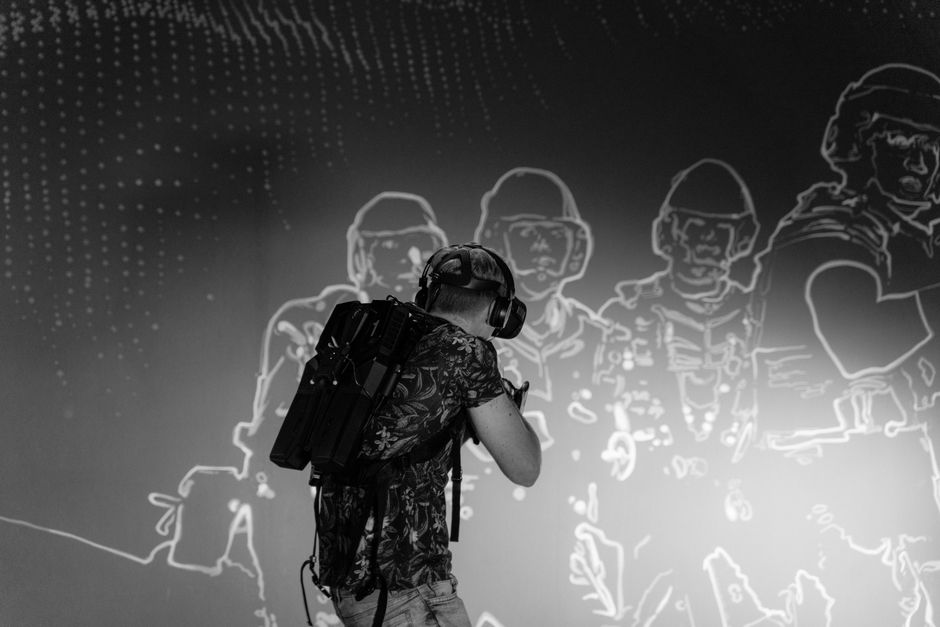
How Survival Mechanics Create Immersive Gameplay
We often hear players describe a sense of presence in survival games that is missing elsewhere. The reason how survival mechanics create immersive gameplay is so effective is that they bridge the gap between player and character. When your character needs to eat, sleep, and stay warm, you begin to share those needs, forming a bond that isn't just about winning.
This connection turns basic activities into meaningful actions rather than filler. Managing hunger or crafting a simple tool becomes a testament to your capability. You aren't just pushing buttons; you are actively fighting to carve out your place in a hostile, unforgiving world.
Building Personal Narratives Through Emergence
Survival mechanics are essentially the backbone of emergent storytelling. Instead of following a linear path, your story is written by the choices you make under pressure. The moment you narrowly escaped a wolf attack with only one percent of your health remaining? That is your unique story.
These unscripted moments define your experience and make your journey entirely yours. Because the challenges arise from mechanics rather than cutscenes, they feel deeply personal. Some common elements that fuel these stories include:
- Unexpected encounters with dangerous predators
- Resource shortages forcing dangerous treks into unknown territory
- Building a sturdy shelter from scratch in a harsh climate
- Teamwork or intense betrayal in multiplayer environments

The Delicate Balancing Act of Difficulty
The true challenge for developers is ensuring that survival mechanics heighten tension without becoming tedious. If a player spends 90 percent of their time just managing hunger bars, the game stops being fun. The best games find a balance where survival acts as a facilitator for exploration, not a barrier to it.
Developers achieve this by weaving survival needs into the progression system itself. When managing resources helps you reach a new area or unlock better crafting, the survival aspect feels rewarding. It transforms from a chore into a primary component of your growth and development.
This delicate balance ensures that the player remains challenged but not frustrated. It is about providing enough pressure to keep things exciting, while allowing enough room for the player to succeed and feel a sense of progression and mastery.
Future Trends in Survival Game Design
As we look forward, we are seeing more integration of complex physics and AI into survival games. Developers are pushing boundaries by making the world respond more intelligently to player choices and environmental changes. These advancements will only deepen the sense of immersion by making the consequences of our survival decisions more tactile and immediate.
We are likely to see smarter, more adaptive environmental hazards that force us to constantly change our strategies. Instead of a predictable pattern, the game world will be able to challenge us in new and unpredictable ways. The future of survival games is one where the world feels less like a set of rules and more like a breathing entity, ensuring that the genre continues to evolve and captivate.