Identifying Fraudulent In-App Transactions
The Growing Challenge of Mobile Security
Mobile apps have become a central part of our daily routines, offering convenience for everything from banking to entertainment. However, this accessibility brings significant security challenges that often go unnoticed until it is too late. The task of identifying fraudulent in-app transactions has become essential for both developers protecting their platforms and users guarding their hard-earned money.
Fraudsters are constantly evolving, finding new ways to exploit vulnerabilities in mobile payment systems. Understanding the landscape of these threats is the first step toward staying protected. By learning the signs of illicit activity, you can better navigate the digital world without falling victim to deceptive schemes.
Understanding the Mechanics of Mobile Fraud
Modern mobile fraud often relies on sophisticated automated tools rather than just human interaction. Scammers frequently utilize bots to test stolen credit card numbers across multiple apps in a process commonly known as card testing. Once they find a vulnerability, they can initiate hundreds of unauthorized purchases in seconds before security systems can react.
Another common tactic involves account takeover, where malicious actors gain access to a user's legitimate app profile. Once they are inside, they can spend saved balances or use stored payment methods to buy digital assets or subscriptions. This type of activity is particularly damaging because it bypasses many standard authentication hurdles that usually block new, unknown users.
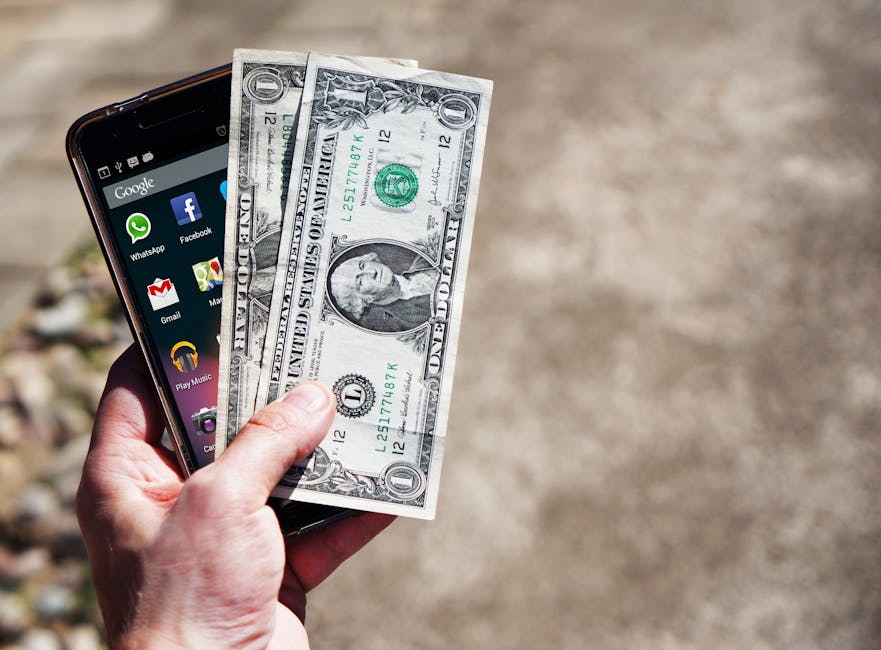
Spotting the Red Flags when Identifying Fraudulent In-App Transactions
When you are identifying fraudulent in-app transactions, looking for unusual patterns is the most effective approach. A sudden, unexplained spike in spending is almost always a warning sign, especially if the purchases occur at odd hours or involve items you typically do not buy. If you notice several smaller charges followed by a larger one, this could indicate a scammer is testing your account before committing to a bigger theft.
Furthermore, receiving notifications for purchases in a different currency or from a location you have never visited should trigger an immediate investigation. Many apps send receipts via email or push notifications, and these can provide the first evidence that something is wrong. Paying attention to these subtle discrepancies helps stop fraud before it escalates into a larger financial loss.
Technical Clues Left Behind by Scammers
Behind every suspicious transaction, there are often technical anomalies that reveal the true nature of the activity. Fraud detection systems look for mismatches between the user's reported location and their IP address, which frequently occurs when scammers use proxy servers or VPNs. A significant change in the device ID or hardware configuration used to access an account is another hallmark of potential unauthorized access.
These technical markers often go unnoticed by the average user but are vital for platform security. Developers analyze this data to build profiles of what a legitimate session looks like compared to a fraudulent one. When a transaction originates from a device or network environment that deviates from your usual habits, the risk level increases dramatically.

How Developers Can Bolster Security
Developers hold the primary responsibility for implementing robust defense mechanisms within their applications. The foundation of a secure system is rigorous server-side receipt validation, which ensures that every purchase claim is verified directly with the app store provider. This prevents attackers from injecting fake success responses into the application's client-side code.
Beyond validation, there are several best practices to protect the platform and the user base:
- Implementing Multi-Factor Authentication (MFA) to add an extra layer of verification before finalizing high-value purchases.
- Utilizing device fingerprinting to detect when multiple accounts are being accessed from the same hardware, which often signals bot activity.
- Setting up automated monitoring to flag transactions that deviate from historical user behavior for manual review.
Recognizing Behavioral Anomalies in App Usage
Beyond technical metrics, behavioral analysis is a powerful tool for catching fraud. Legitimate users typically have a rhythm, whether it is spending on a weekend or sticking to specific categories of in-app items. When this cadence is disrupted by frantic, rapid-fire purchasing, it suggests that a bot or a human acting in bad faith is behind the screen.
Even small changes in user behavior can act as early warning indicators for platform managers. If a user who rarely interacts with the store suddenly tries to make dozens of transactions, this deviation is suspicious. By tracking these subtle shifts, apps can freeze accounts temporarily to prevent further damage while verifying the user's identity.

Taking Immediate Action Against Suspicious Purchases
If you suspect that your account has been compromised, speed is your greatest asset. You should contact the app developer or the store support team immediately to report the unauthorized charges. Most platforms have dedicated teams to handle disputes, and acting quickly increases the likelihood of recovering your funds or reversing the transactions.
Once you have notified the support team, secure your account by changing your password immediately and enabling stronger security settings. It is also wise to review your linked payment methods and consider removing them if you feel the account security is still at risk. Taking these proactive steps helps minimize the long-term impact of any potential security breach.