Is Artificial Intelligence Replacing Human Creativity In Advertising
The Evolving Landscape of Brand Storytelling
The marketing industry is currently buzzing with intense debates about the role of automated tools in content production. Many marketers and agency leaders wonder, is artificial intelligence replacing human creativity in advertising, or is this just another tool in the creative arsenal? The speed at which generative models produce copy, imagery, and video is undeniably impressive, raising questions about whether the human touch is still necessary. It is important to look past the hype and understand the true relationship between technology and artistic intuition.
At its core, advertising relies on connecting with people on an emotional level. While machines can process vast amounts of data to predict trends, they lack the lived experience that fuels genuine connection. Understanding the nuance of human emotion, cultural context, and personal struggle remains firmly in the realm of human creators. This fundamental gap suggests that technology is a powerful assistant rather than a wholesale replacement.
The Rising Power of Generative Advertising Tools
Modern generative tools allow agencies to produce content at a pace that was unimaginable just a few years ago. From creating dozens of ad variations for A/B testing to generating hundreds of images for diverse demographics, AI provides immense efficiency. This allows teams to iterate rapidly, testing concepts in real time and optimizing performance based on concrete data inputs.
The ability to scale creative output has significantly lowered the barrier to entry for smaller brands and startups. Instead of spending thousands on a single campaign asset, marketers can now produce high-quality visuals and copy for a fraction of the cost. This shift means that creativity is no longer locked behind high production budgets, empowering more voices to participate in the advertising ecosystem.
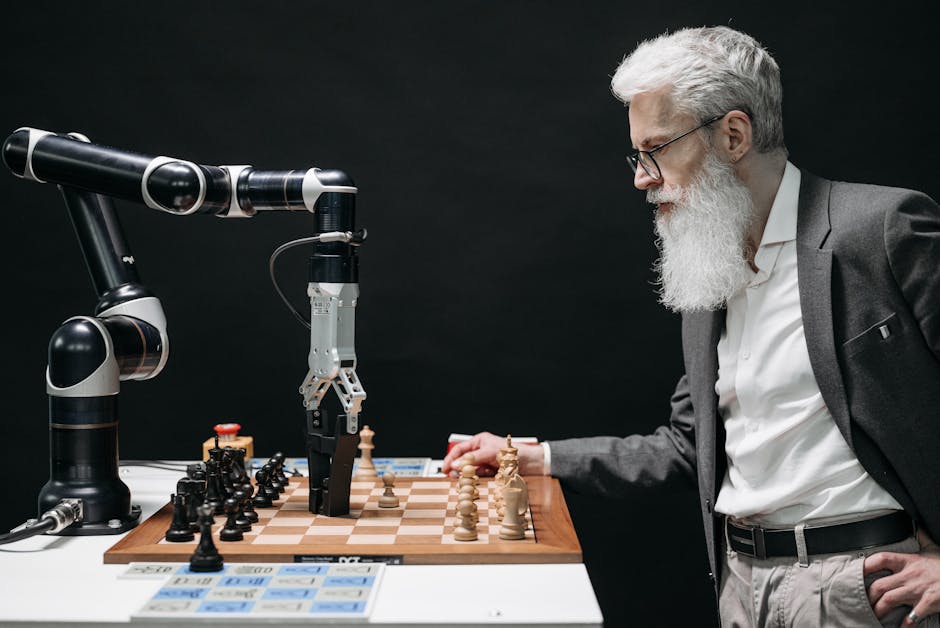
Understanding the Limitations of Algorithmic Creativity
Despite the remarkable capabilities of these systems, there is a clear limit to what an algorithm can achieve on its own. AI models are trained on existing data, which means they are inherently backward-looking. They excel at replicating styles and formats that have already proven successful, but they struggle to invent truly disruptive or paradigm-shifting ideas that defy convention.
True creative breakthroughs often come from subverting expectations or making counter-intuitive leaps that data simply does not support. A machine can follow the rules of a proven formula, but it cannot decide when it is time to break those rules entirely. Innovation requires a level of audacity and risk-taking that an algorithm, constrained by its training data, is not equipped to handle.
Why Human Insight Remains Vital for Connection
Advertising is not just about producing content; it is about building a relationship between a brand and its audience. Humans possess the capacity for empathy, allowing them to understand the subtle motivations and fears of a consumer. This emotional intelligence is what turns a simple product feature into a story that resonates with a person's life.
The human element brings essential qualities to the creative process that technology cannot replicate:
- Deep Empathy: Connecting through shared experiences and genuine human emotions.
- Cultural Context: Navigating complex social nuances, humor, and evolving societal values.
- Strategic Vision: Defining long-term brand purpose beyond short-term performance metrics.
- Moral Judgment: Ensuring creative output aligns with brand ethics and avoids unintended offense.

Is Artificial Intelligence Replacing Human Creativity in Advertising or Augmenting It?
The question should not be focused on replacement, but on how these systems can augment the work of human teams. By automating repetitive or time-consuming tasks like formatting, basic copywriting, or image resizing, human creators are freed to focus on higher-level strategy and conceptual development. The most successful campaigns of the future will be those where machine efficiency and human intuition operate in tandem.
Instead of fearing displacement, agencies are finding that they can achieve higher levels of quality by treating AI as a junior partner or a brainstorming collaborator. The machine handles the heavy lifting of data processing and asset generation, while the human director refines, directs, and injects the soul into the campaign. This collaborative model leads to more personalized, data-informed, and creatively resonant results than either party could achieve alone.
The Changing Role of the Modern Creative Professional
The role of the creative professional is shifting from pure creator to curator and strategist. Instead of spending hours designing individual assets, they are now managing the systems that generate those assets. This requires a new set of skills, including prompt engineering, data literacy, and the ability to evaluate and refine machine-generated output with a critical eye.
This evolution actually makes the creative professional more indispensable, not less. It takes a skilled human to discern which AI-generated concept aligns with a brand voice and which one feels generic or off-brand. The ability to direct the technology, curate the best results, and stitch them into a cohesive narrative is becoming the most valuable skill in the modern marketing department.

Crafting the Future of Creative Strategy
Looking ahead, the focus will likely shift towards how brands can use these technologies to create deeper, more meaningful experiences for consumers. Rather than just churning out more volume, the goal should be to use AI to improve the relevance and impact of every communication. Technology gives us the tools to understand the audience better, and human creativity gives us the ability to act on that understanding in a way that feels authentic.
The future of the industry belongs to those who view this shift as an opportunity to elevate their craft. By embracing technology to handle the technical aspects, human creators can reclaim the time and space needed to focus on the big ideas that drive true connection. The ultimate success will not come from letting the machine lead, but from using the machine to empower the human vision.