Post Processing Effects For Mobile Performance
Mobile devices have come a long way, but rendering high-quality graphics still requires careful balancing between visual fidelity and system stability. Developers often struggle with integrating sophisticated visuals while maintaining smooth frame rates on diverse hardware configurations. Understanding how to manage post processing effects for mobile performance is essential for creating immersive experiences that do not drain the battery or cause overheating during extended gameplay sessions.
Every additional effect added to a frame increases the demand on the mobile GPU, directly impacting battery consumption and thermal output. Because mobile hardware lacks the raw power of dedicated desktop graphics cards, inefficient rendering techniques quickly lead to dropped frames. Achieving a balance requires a proactive approach where efficiency is prioritized alongside aesthetics from the earliest stages of development.
Why Mobile Rendering Is Different
Mobile devices prioritize battery efficiency and thermal management above raw computing power. Unlike desktop systems with dedicated graphics cards, mobile GPUs share resources with the CPU and system memory. This fundamental difference severely limits the complexity of rendering pipelines that developers can safely implement without impacting user experience.
Because every frame consumes precious resources, efficiency becomes the core design philosophy for mobile games. Developers often make difficult choices about visual fidelity to ensure a smooth user experience on lower-end devices. Achieving high visual quality without sacrificing performance requires a deep understanding of mobile hardware limitations.
Optimizing Post Processing Effects for Mobile Performance
Optimizing post-processing requires a strategic approach to how effects are stacked and rendered. Simply enabling high-quality settings can lead to a sluggish experience, particularly on older devices. Developers must evaluate the necessity of each effect, discarding anything that does not significantly contribute to the desired artistic vision.
One effective strategy involves prioritizing lightweight effects over heavier, more demanding ones. Bloom, color grading, and simple vignettes are generally less expensive than complex screen-space reflections or depth-of-field simulations. By focusing on these lighter techniques, developers can achieve a polished look without pushing the GPU to its limit.
Careful ordering of these effects also plays a crucial role in maintaining high frame rates. Rendering cheaper effects first can reduce the workload for subsequent, more complex shaders. This careful arrangement ensures that only the necessary pixels undergo more intensive processing during the final render pass.
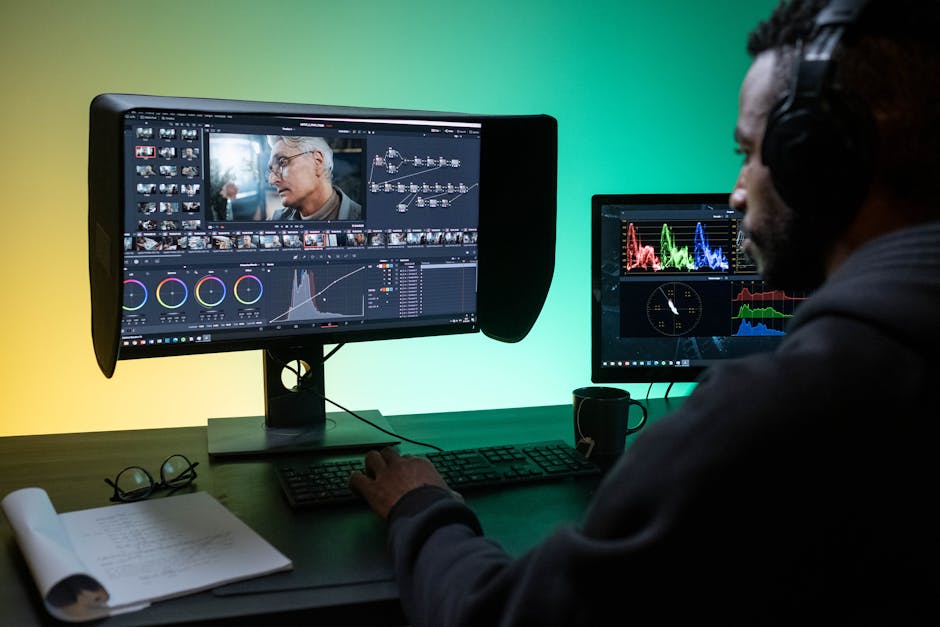
Common Bottlenecks in the Graphics Pipeline
Fill rate is frequently the primary bottleneck for mobile devices, especially when post-processing effects are active. Every pixel on the screen must be processed, and effects like bloom or blurring often require multiple passes over the frame buffer. These repeated passes increase bandwidth usage and quickly overwhelm the GPU.
Overdraw represents another significant performance challenge for mobile developers. If multiple transparent objects or complex effects overlap, the GPU performs redundant calculations for those pixels. Reducing overdraw through smarter rendering orders or by disabling unnecessary post-processing for transparent objects can result in noticeable performance gains.
Shader complexity directly impacts how fast the GPU can process each frame. Complex branching logic or high-precision calculations within a shader can cause significant performance dips on mobile hardware. Developers should strive to keep shader code lean, using lower precision variables where possible to improve execution speed.
Strategies for Efficient Visual Upgrades
To improve performance while still enhancing visual quality, developers often employ a variety of targeted optimization techniques. These methods focus on reducing the total computational work required to produce the final image on the screen. Implementing these strategies helps maintain a high visual bar across a wider range of mobile devices.
- Downsample high-resolution buffers for effects like bloom to reduce fill rate demands significantly.
- Use single-pass rendering techniques to minimize the number of draw calls needed for post-processing.
- Bake lighting data into static lightmaps to avoid expensive real-time calculations during gameplay.
- Optimize shader code to reduce register pressure and minimize branch instructions.
- Use lookup textures for color grading instead of performing complex calculations per pixel.

Leveraging Mobile-Specific Hardware Features
Modern mobile GPUs offer unique features designed to handle graphics tasks more efficiently. Utilizing these hardware-specific optimizations can drastically improve performance without compromising on visual quality. Developers should investigate techniques like tile-based deferred rendering, which is common in mobile architectures, to better manage memory access.
Tiled rendering architectures are highly efficient at reducing memory bandwidth consumption when handled correctly. By structuring the rendering pipeline to work with these tiles, developers can avoid expensive trips to main memory. This approach allows for smoother performance, even when multiple post-processing effects are active.
Furthermore, hardware-accelerated features like fixed-function blend units or depth testing can handle certain tasks faster than custom shaders. Shifting work from programmable shaders to these dedicated hardware units frees up the GPU for more complex rendering tasks. This shift is a powerful way to maximize the performance of a mobile game.
The Importance of Profiling and Iteration
Performance optimization is not a guessing game but a data-driven process. Developers must use professional profiling tools to identify the specific causes of dropped frames or excessive battery drain. These tools provide deep insights into GPU utilization, bandwidth usage, and shader execution times, allowing for targeted improvements.
Profiling should occur early and often throughout the entire development cycle, not just at the end. When a new post-processing effect is added, developers should immediately measure its impact on performance across various target devices. This constant feedback loop allows for rapid iteration and ensures that performance issues are addressed before they become deeply integrated.
Successfully balancing visuals with system performance is an ongoing task that requires constant refinement. By focusing on data-driven optimizations, developers can create visually stunning games that perform exceptionally well across a wide range of mobile hardware. This disciplined approach ensures that players get the best possible experience without compromising the longevity of their devices.
