The Best Practices For Mechanized Infantry Maneuvering In Large Battles
Mastering the Dynamics of Modern Battlefield Movement
Mechanized infantry maneuvering in large battles acts as the cornerstone of modern offensive operations. It demands the seamless integration of armored combat vehicles, dismounted squads, and fire support to achieve rapid, decisive effects. Mastering this delicate balance is essential for commanders tasked with navigating the chaotic realities of high-intensity conflict.
The primary objective is to maintain momentum without sacrificing unit integrity. Success depends on how effectively a force can move as a cohesive entity, treating infantry and armor not as separate components but as a single, flexible fighting tool. By prioritizing speed and coordination, commanders can overwhelm defenses and seize key terrain before the enemy can react.
Fundamentals of Mechanized Infantry Maneuvering
At its core, success relies on the ability to transition quickly between mounted movement and dismounted assault. Armored vehicles provide necessary protection and firepower during the approach, while infantry maneuverability allows the unit to clear fortified positions, traverse complex urban areas, or secure terrain inaccessible to heavy vehicles.
Commanders must constantly assess the situation to determine when to mount or dismount troops. This decision directly impacts the unit's speed, exposure level, and operational effectiveness. Mastering these transitions, often under heavy fire, remains the hallmark of highly trained mechanized units.
Synchronizing Movement with Armored Assets
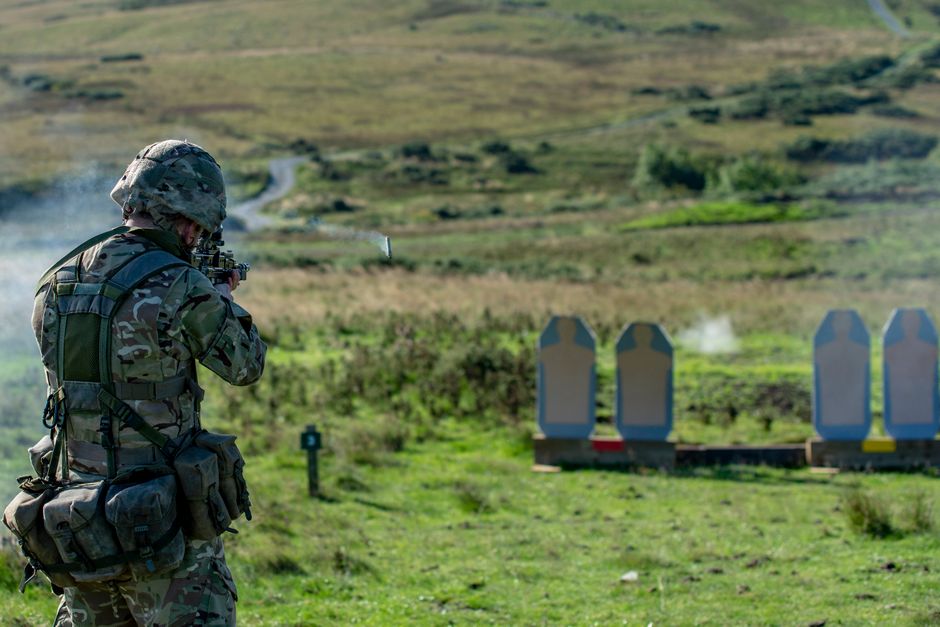
The relationship between mechanized infantry and their armored counterparts must be absolute. Infantry squads must learn to work closely with tanks, using them for cover and suppressing fire, while simultaneously protecting the tanks from anti-tank threats. This symbiotic relationship ensures that both components can perform their roles effectively.
Maintaining proximity is critical, yet challenging. If infantry moves too far ahead, they lose essential fire support; if they fall too far behind, they fail to clear threats, leaving the armor vulnerable. Constant, real-time adjustments are necessary to keep the formation tight and responsive throughout the battle.
To ensure this synchronization, units should focus on these key practices:
- Standardized formations: Utilize consistent tactical patterns so every soldier knows their role relative to the nearest vehicle.
- Common visual signals: Establish simple, non-verbal communication protocols to maintain control when radio silence is necessary.
- Continuous feedback loops: Encourage vehicle commanders and squad leaders to share immediate observations about enemy activity.
The Core of Combined Arms Integration
Large battles are rarely won by a single arm of service. Effective maneuvering requires the integration of indirect fire, air support, and electronic warfare assets into the main effort. These supporting elements suppress enemy defenses, allowing the primary mechanized force to advance with reduced risk.
The synergy achieved through combined arms is exponential, not additive. When artillery strikes coincide with a mechanized push, the enemy is forced to prioritize defense over response, creating gaps in their lines. This integration allows commanders to dictate the pace of the battle rather than merely reacting to it.
Field Communication and Rapid Decision Making
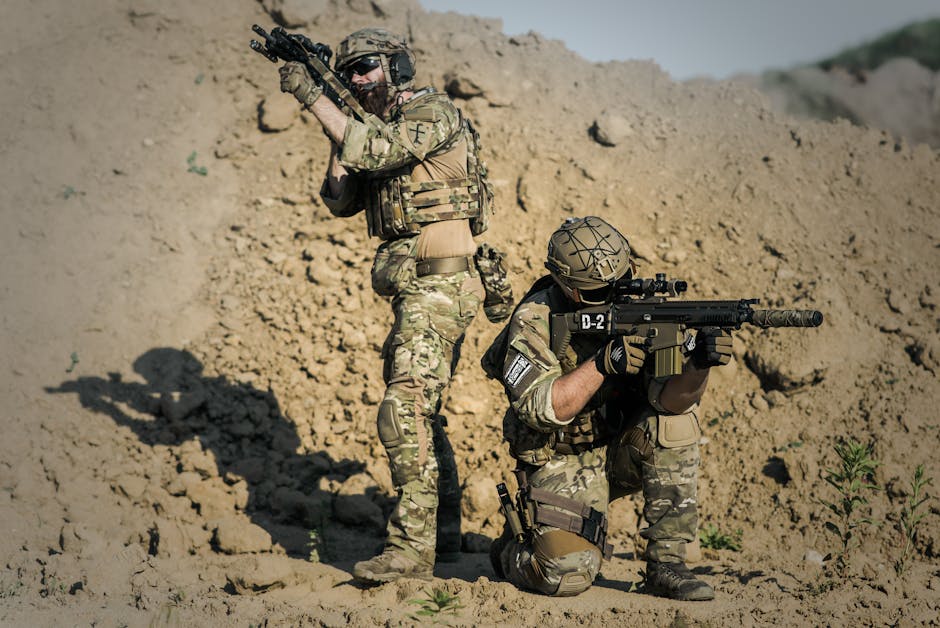
Battlefield chaos makes communication the most vital tool in a commander's kit. Reliable, redundant radio links are essential, but they must be supplemented by established doctrine and clear intent. Every leader, down to the fire team level, must understand the overarching goal to make autonomous decisions when communication inevitably breaks down.
Commanders should favor decentralized command structures that empower lower-level leaders. By clearly communicating the mechanized infantry maneuvering plan beforehand, subordinates can adapt to changing circumstances without waiting for explicit orders. This speed of action is often what determines the outcome in fast-paced engagements.
Strategic Use of Terrain and Concealment
The battlefield is always a factor, and terrain dictates the possible maneuvers. Commanders must analyze the ground for avenues of approach that offer both mobility for vehicles and cover for dismounted troops. Avoiding predictable paths is vital to maintaining the element of surprise.
Effective maneuvering utilizes terrain not just for movement, but for protection. Integrating concealment into the advance allows units to close the distance without attracting unnecessary enemy attention. Smart leaders leverage the landscape to create bottlenecks for the enemy while opening clear routes for their own forces.
Logistics as a Force Multiplier
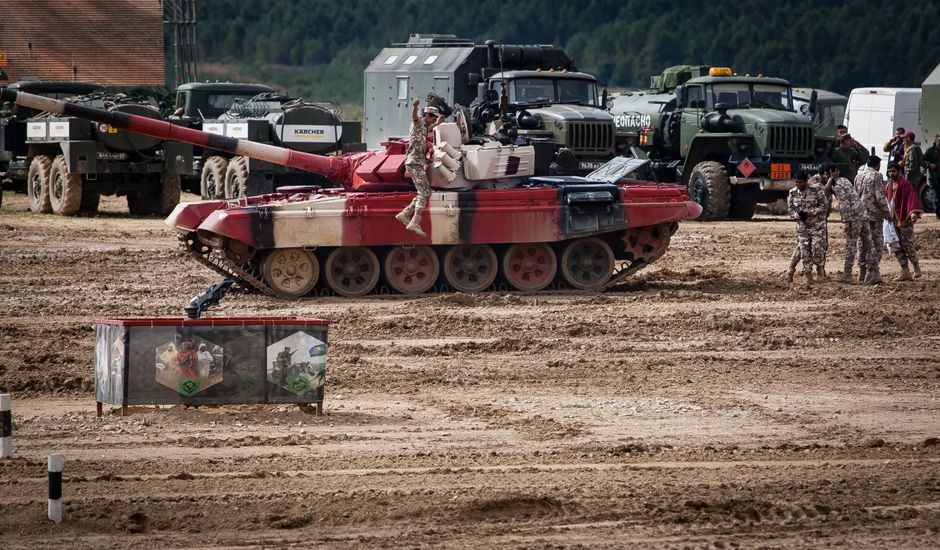
Even the best tactical plan will fail without adequate sustainment. Fuel, ammunition, and medical supplies must keep pace with the maneuvering force. A stall in logistics directly translates to a loss of momentum, giving the enemy time to regroup and fortify their positions.
Modern mechanized operations require forward-thinking supply chains that anticipate the needs of the frontline units. By positioning logistics assets as close to the fight as possible, commanders ensure that their units remain combat-effective. Logistics should be viewed not as a secondary concern, but as an integral part of the maneuver itself.