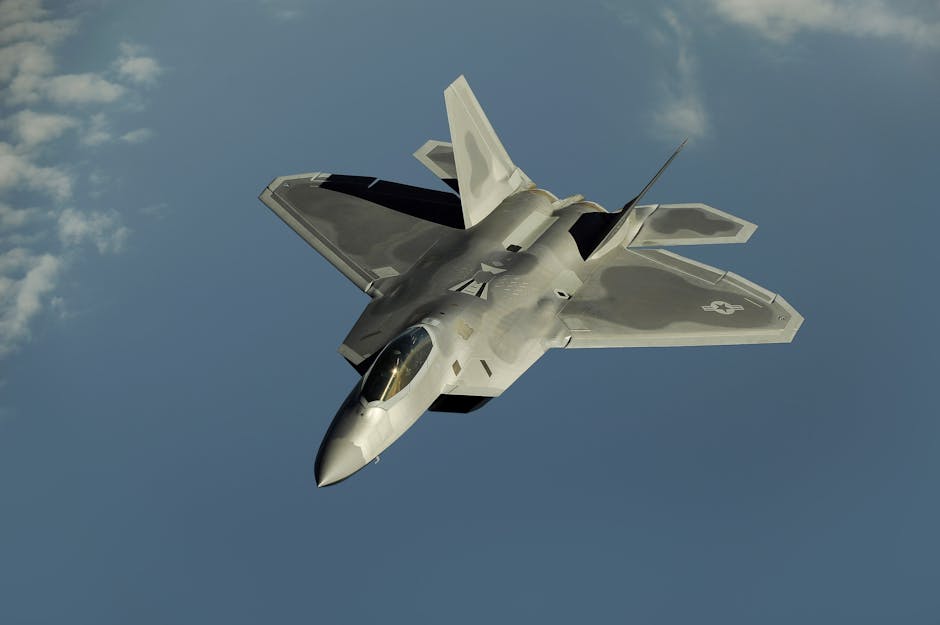
The Development Of Jet Engine Technology And Its Combat Implications
The history of flight is marked by radical shifts, but few innovations have been as consequential as the transition from propellers to turbines. The rapid development of jet engine technology completely rewrote the rulebook for aviation, turning the skies into a high-stakes arena where speed and altitude became the ultimate strategic advantages. This evolution did not just change how planes moved; it fundamentally altered how nations projected power and engaged in conflict.
Modern air superiority is built entirely on the foundation of advanced propulsion systems that allow aircraft to push past the sound barrier and operate at incredible heights. Understanding this shift requires looking at how engineers harnessed the power of compressed air and controlled combustion to create a new breed of war machines. By exploring this journey, we gain insight into why these machines became the backbone of contemporary defense.
The Dawn of the Jet Age
In the early days of the twentieth century, the piston engine and propeller seemed like the pinnacle of aerial engineering. However, visionaries like Frank Whittle in Britain and Hans von Ohain in Germany saw the limitations of propeller-driven aircraft, especially as speed increased. They sought a way to overcome the drag that propellers faced at high speeds, leading them toward the concept of the jet.
The successful test flights during the late 1930s and early 1940s marked a turning point in history. By the end of World War II, the first operational jet fighters had entered the scene, shocking their opponents with performance capabilities that traditional fighters could not match. This signaled the end of the propeller era and the beginning of a relentless push for faster and more agile combat aircraft.
How Modern Jet Engine Technology Transformed Air Combat
Once jets became the standard for military air forces, the nature of dogfighting underwent an immediate, violent transformation. The reliance on maneuverability at lower speeds was replaced by a tactical focus on intercepting targets at high speeds and extreme altitudes. Pilots were no longer just focused on out-turning an adversary; they had to master the art of energy management and positioning.
This shift necessitated new training methodologies and radically different aircraft designs. The introduction of swept-wing configurations, combined with the raw power of jet engines, allowed aircraft to sustain high-speed flight for longer durations. These advancements effectively closed the gap between observation and engagement, making air combat faster and more lethal than anyone had previously imagined.

Essential Breakthroughs in Engine Design
The rapid advancement of these powerplants required overcoming immense thermal and mechanical stresses. Engineers had to develop new materials capable of withstanding the extreme temperatures inside the combustion chamber without losing structural integrity. These breakthroughs allowed for higher compression ratios and more efficient fuel consumption, which translated directly into longer range and better performance.
Several key developments paved the way for the sophisticated engines seen in today's fighter jets:
- The afterburner, which injects fuel into the exhaust stream to provide a massive, temporary boost in thrust for rapid acceleration and combat maneuvers.
- Turbofan designs, which significantly improved fuel efficiency and reduced noise by bypassing a portion of the intake air around the engine core.
- Variable geometry intakes, which allow the engine to maintain optimal performance across a wide range of speeds and altitudes.
Speed, Altitude, and the Tactical Shift
The ability to fly higher and faster fundamentally changed the tactical landscape. Suddenly, aircraft could patrol vast distances and respond to threats far from their bases in a fraction of the time required by previous generations. The tactical reality became less about close-range aerial gunnery and more about detecting and neutralizing targets from significant distances.
This evolution led directly to the development of Beyond-Visual-Range (BVR) combat. Since jet-powered fighters could close distance so quickly, the advantage shifted to the pilot who could spot the enemy first and deploy long-range missiles. The engine was no longer just about speed; it was an integral part of a complex sensor-to-shooter ecosystem.

Materials, Reliability, and Operational Edge
Beyond raw performance, the modern military requires extreme reliability and low maintenance. Advanced materials science has played a crucial role in ensuring that these high-performance engines can operate for hundreds of hours between overhauls. Modern coatings, single-crystal turbine blades, and computer-controlled fuel systems have pushed the limits of what is possible.
An engine that is reliable is an engine that can stay in the fight. By optimizing every component for durability and performance, engineers have enabled air forces to maintain a sustained operational tempo that was previously impossible. This logistical edge is just as important in combat as the raw thrust provided by the engine during a takeoff or an intercept.
Future Frontiers of Combat Power
Looking ahead, the focus of propulsion development is shifting toward greater energy efficiency, higher power density, and even more radical designs. Hypersonic flight, which requires engines capable of sustained operation at many times the speed of sound, is the next major hurdle. These technologies promise to reduce response times to minutes, further changing how conflicts are initiated and resolved.
As we integrate advanced artificial intelligence and automated systems into combat aircraft, the engine will need to respond with unprecedented precision. The future of flight isn't just about going faster; it is about smarter, more adaptive power that can support complex, autonomous missions. The development of propulsion will continue to be the primary engine driving military innovation for decades to come.