The Evolution Of Digital Imaging From Wartime Surveillance Systems
The Roots of Our High-Resolution Reality
Modern photography allows us to capture life instantly, yet we rarely consider the intense history behind the lens. The evolution of digital imaging from wartime surveillance systems is a fascinating journey that fundamentally altered how we see and record our world. What began as a strategic necessity for reconnaissance during global conflicts eventually became the foundation for the visual experiences we enjoy every day.
During the early twentieth century, the need for precise intelligence drove innovation in aerial cameras and sensor technology. Engineers pushed the limits of physics to capture clear imagery from great altitudes, despite the chaotic environments of flight. This intense pressure to improve resolution and detail laid the groundwork for the digital sensors that power your smartphone camera today.
We often take for granted the clarity and speed of modern imaging tools, missing the complex heritage they share with military technology. Understanding this history reveals how defense-driven investments transformed into tools for artistic expression and personal storytelling. The path from the cockpit to the consumer market is one of the most significant technological leaps of the modern era.
The Seeds of Innovation in Aerial Reconnaissance
Aerial surveillance during wartime demanded technology that could operate effectively under extreme conditions. Early reconnaissance flights required cameras that could survive high altitudes and capture terrain with enough detail to identify enemy assets. These requirements forced rapid advancements in lens design, film sensitivity, and eventually, early digital sensor development.
This period of intense development focused on minimizing blur and maximizing data capture, which remain primary challenges in photography. Military researchers pioneered techniques to process images quickly so commanders could make informed decisions in the field. Without this initial demand for immediate, actionable visual data, the consumer digital imaging industry would have lagged decades behind its current capabilities.
Turning Cold War Tech Into Consumer Tools
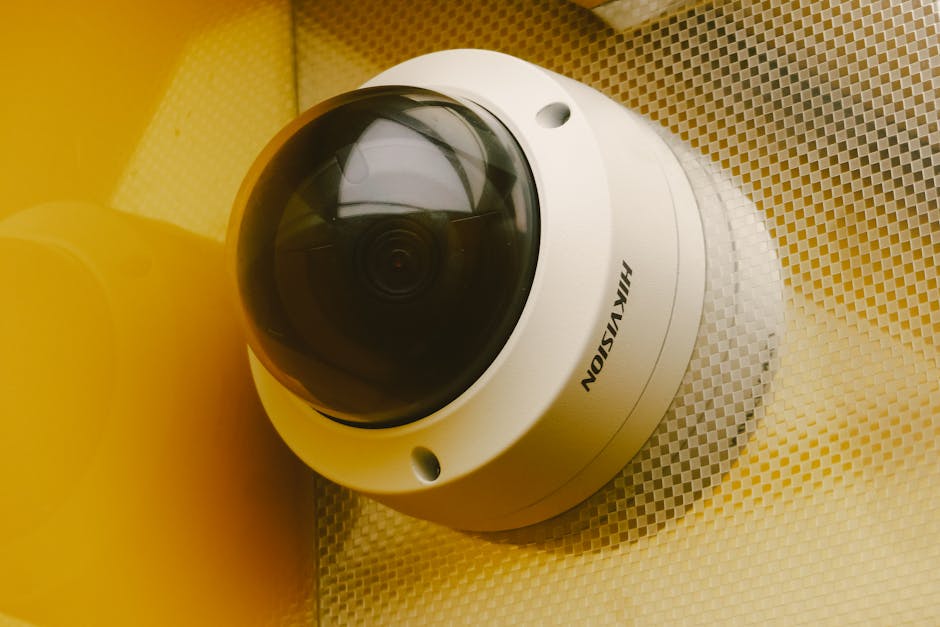
As geopolitical tensions stabilized in the latter half of the century, governments began to declassify and transition certain technologies for academic and public use. Companies recognized the potential for applying high-speed imaging and advanced sensor arrays to civilian photography. This pivot allowed the massive infrastructure designed for state security to be miniaturized and adapted for commercial sale.
The introduction of Charge-Coupled Device (CCD) sensors proved to be the turning point for digital imaging. Originally developed for advanced space and surveillance applications, CCD sensors could convert light into electronic signals with remarkable efficiency. Once these sensors became affordable, they paved the way for the first generation of digital cameras, marking a departure from the traditional film-based approach.
How the Evolution of Digital Imaging From Wartime Surveillance Systems Reshaped Photography
The evolution of digital imaging from wartime surveillance systems fundamentally changed the accessibility of photography for the general public. Before the digital era, photography was expensive, technical, and restricted by the limitations of film processing. The shift toward digital sensors eliminated the need for darkrooms, allowing photographers to view their results instantly and experiment without fear of wasting costly film.
This transformation encouraged a new level of creativity by lowering the barrier to entry for amateur enthusiasts. People began to capture daily life with a frequency and spontaneity that was previously impossible. The ability to store thousands of images on a small card replaced binders full of physical prints, changing how we preserve and share our personal histories.
Beyond convenience, the military-to-consumer pipeline brought professional-grade imaging power to the masses. Features like autofocus, image stabilization, and advanced noise reduction, all rooted in surveillance technology, became standard on consumer devices. What was once the exclusive domain of state intelligence agencies became a staple of modern life.
Miniaturization and the Smartphone Revolution
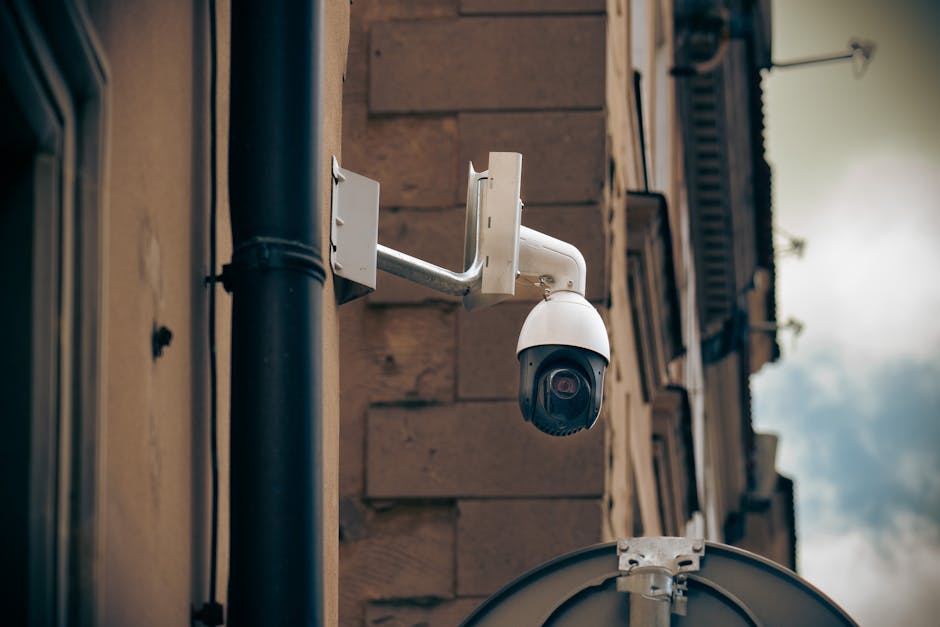
The quest to shrink surveillance equipment for drones and portable recon gear directly influenced the development of the mobile camera. Engineers had to figure out how to pack sophisticated sensors and processors into tiny form factors without compromising image quality. This miniaturization process was the necessary catalyst for integrating high-quality cameras into mobile phones.
Modern smartphone cameras are marvels of engineering, utilizing computational photography techniques developed to enhance surveillance imagery. These phones use multiple lenses and software algorithms to compensate for the small physical size of the sensors. They can now synthesize light data to create images that rival those produced by massive, heavy equipment used only twenty years ago.
This portability has effectively democratized photography, turning everyone into a potential content creator. We now carry powerful imaging systems in our pockets, capable of capturing professional-level shots in varied lighting conditions. The integration of these tools into our social lives is a direct byproduct of the drive to create portable surveillance solutions.
The Role of Satellite Imagery in Modern Life
Satellite imaging represents perhaps the most direct application of surveillance technology that remains deeply embedded in our daily routines. Originally intended to monitor geographical changes and track movement on a global scale, this technology now powers navigation apps and mapping services. Our ability to see the world from above with precision is a luxury born from cold war defense strategies.
Many mapping platforms leverage the same foundational algorithms developed to stabilize and clarify satellite feeds. These tools have changed how we travel, interact with our environments, and understand geographic data. From identifying the fastest driving route to exploring distant landscapes from home, we rely on these systems constantly.
Beyond Surveillance: Modern Applications of Imaging Tech
The applications for technology born from surveillance research now extend into many critical fields, far beyond photography and mapping. Advanced image processing techniques are essential in industries that require high precision and rapid analysis. These tools help solve complex problems by extracting meaning from visual data in ways that were previously unattainable.
Common modern applications include:
- Medical Imaging: Enhanced diagnostic tools allow doctors to detect diseases early by identifying patterns in scans that were originally undetectable.
- Autonomous Vehicles: Self-driving cars utilize complex sensors to perceive their surroundings in real-time, relying on surveillance-style object detection.
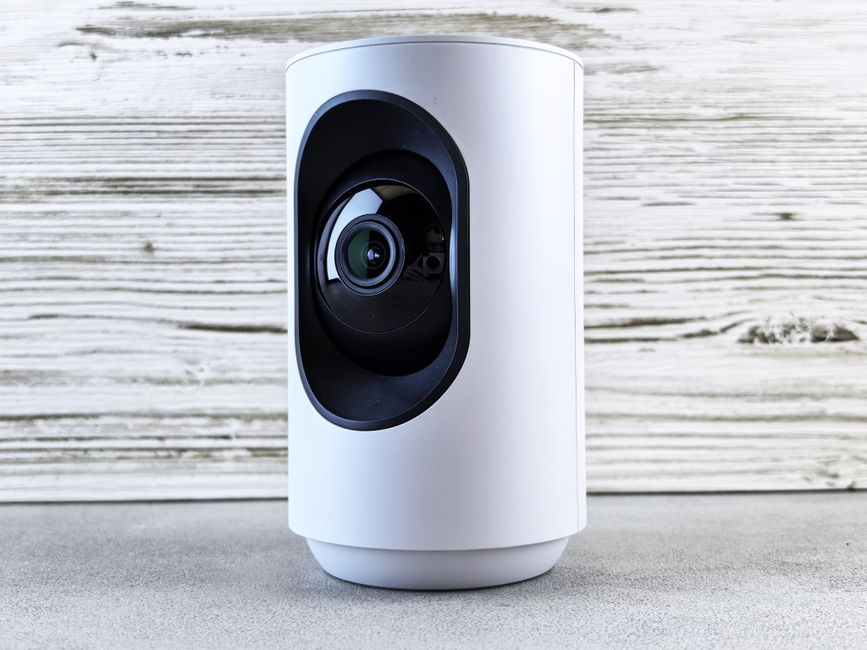
- Security Systems: Advanced facial recognition and motion tracking provide automated safety solutions for businesses and homes.
- Deep Space Exploration: Satellite-based imaging platforms help telescopes capture faint signals from distant galaxies, revealing the structure of the universe.
These diverse fields highlight the immense versatility and ongoing relevance of the original surveillance innovations. What was once designed to protect national interests now protects health, improves safety, and expands our knowledge of the cosmos. The legacy of these imaging technologies is deeply woven into the fabric of modern scientific and technological progress.
Looking Ahead at the Future of Visual Data
As we advance into an era dominated by artificial intelligence, the lineage of wartime imaging continues to evolve. AI-driven systems now handle tasks like image enhancement and automated analysis, drawing on foundational methodologies from previous decades. These newer tools improve the accuracy of data interpretation while reducing the need for human intervention in repetitive monitoring tasks.
The future likely holds further integration of these technologies into our daily environments, creating smarter and more responsive visual systems. We can expect even greater integration between sensors, processing software, and user interfaces, all building upon the lessons learned from decades of surveillance research. The core focus will remain on refining clarity and intelligence, ensuring that we continue to extract meaningful information from the visual world.