The Evolution Of Early Field Artillery And Its Tactical Limitations
Imagine a time when the battlefield was dominated by arrows, pikes, and charging cavalry. The arrival of gunpowder changed everything, fundamentally shifting how wars were fought and won across the globe. Exploring the evolution of early field artillery reveals how humanity transitioned from static, cumbersome siege weapons to dynamic, battlefield-shaping cannons that eventually defined modern combat.
This transition was neither fast nor simple, as it required a radical rethinking of metallurgy, logistics, and military strategy. Early commanders had to learn how to integrate these temperamental machines into their existing formations, often with mixed results. Understanding this process provides a clearer picture of how technology reshaped the history of conflict.
The Dawn of Gunpowder Technology
The earliest uses of gunpowder in Europe were often experimental and unreliable. Initial designs were essentially oversized tubes made of iron staves bound with hoops, similar to how barrels were constructed. These early bombards were incredibly heavy and primarily intended for static use against castle walls rather than field maneuvers.
Gunpowder itself was inconsistent in quality, making the firing process dangerous for the crews operating the guns. Despite these risks, the sheer psychological impact of the noise and the destruction caused by a heavy iron ball hitting a target made them highly desirable for ambitious monarchs. This initial phase established the need for better materials and more predictable explosive mixtures.
As the technology matured, the focus shifted toward making these weapons more manageable for field armies. Blacksmiths and early engineers began experimenting with smaller, lighter designs that could be transported on carts. While still limited by primitive technology, the transition from static defense to proactive offense had officially begun.
Understanding the Evolution of Early Field Artillery
The evolution of early field artillery was driven by the urgent need for greater mobility and consistent performance. As armies grew larger and more professional, commanders required weapons that could be brought to the front lines during an active engagement. This push toward tactical versatility forced engineers to innovate rapidly.
A major development was the invention of the trunnion, a cylindrical projection on the side of the barrel. This seemingly simple addition allowed the barrel to be pivoted, making it easier to adjust the aim and absorb the intense recoil during firing. It transformed the cannon from a fixed pipe into a maneuverable weapon system.
Simultaneously, the development of specialized carriages allowed guns to be moved more effectively across diverse terrain. These carriages were constructed with sturdy wheels and heavy frames to withstand the shock of firing. This combination of structural improvements allowed artillery to become an integral part of the mobile army rather than a luxury for siege campaigns.

The Struggle for Battlefield Mobility
Moving heavy bronze or iron guns across rough terrain was a constant nightmare for early armies. Roads were often non-existent or turned into impassable mud tracks after heavy rain. Horses and oxen were the primary power sources, but they required significant care and were vulnerable to enemy fire.
Many guns required massive teams of animals just to be moved a few miles in a single day. If a cannon was stuck in a ditch, it could easily become a liability, requiring the commander to choose between abandoning the expensive piece or risking soldiers to save it. This limitation meant that artillery support was often slow to arrive at the crucial point of contact.
To address this, military planners developed the limber, a detachable two-wheeled cart that held the cannon's trail. By balancing the weight better, the limber made it much easier for teams to pull the guns along narrow paths. This innovation was essential for transitioning artillery from a slow-moving siege asset to a piece of field equipment.
Managing Tactical Limitations
Even with improved mobility, early field artillery faced severe limitations during a chaotic battle. The slow rate of fire meant that each shot had to be carefully considered, as a missed opportunity could leave the crew defenseless. Commanders had to balance the desire for firepower with the need to protect these vulnerable and expensive assets.
- Slow loading times made crews easy targets for archers or cavalry charges.
- Range was highly unpredictable due to inconsistent powder quality and varied ammunition.
- Limited precision meant that artillery was best used against dense formations or static positions.
- The danger of catastrophic failure, where the cannon would explode, was a constant concern for the gunners.
Because of these risks, artillery was rarely used as the primary means of winning a battle. It served more as a supporting tool, designed to break enemy morale or disrupt dense infantry columns before they could engage. Experienced commanders knew that artillery required significant protection from infantry to function properly in the field.

Advancements in Material and Design
The shift from iron-stave construction to cast metal was a turning point for artillery performance. Bronze was the preferred material for many years because it was lighter than iron and less prone to shattering when fired. Casting allowed for smoother bores, which directly improved the accuracy and range of the projectiles.
Engineers also refined the proportions of the cannons, finding the right balance between barrel thickness and weight. Too thin, and the gun would likely explode after a few shots. Too thick, and it would be impossible to transport effectively on the battlefield.
As techniques for casting improved, the standardization of bore sizes also began to emerge. Having standardized ammunition meant that supply lines were more efficient, as guns could share cannonballs regardless of the specific piece. This standardization was a hallmark of the maturing professional armies of the era.
Impact on Siege Tactics and Fortifications
While the focus here is on field artillery, its development completely transformed how sieges were conducted. Fortifications that had stood for centuries suddenly became vulnerable to modern gunpowder weapons. High, thin stone walls were easily demolished by repeated bombardment, forcing engineers to completely rethink defensive designs.
This led to the creation of the star fort, which utilized low, thick, and angled earthworks to deflect cannon fire. These new fortifications were much more resilient and required vast amounts of artillery to overcome. It turned many sieges into long, grinding affairs that tested the patience and resources of both the attacker and the defender.
Consequently, the need for more and better artillery became a primary driver for industrial growth. Nations that could produce high-quality cannons in large numbers held a significant military advantage. This arms race ensured that artillery continued to evolve rapidly throughout the following centuries.
Lasting Influence on Modern Warfare
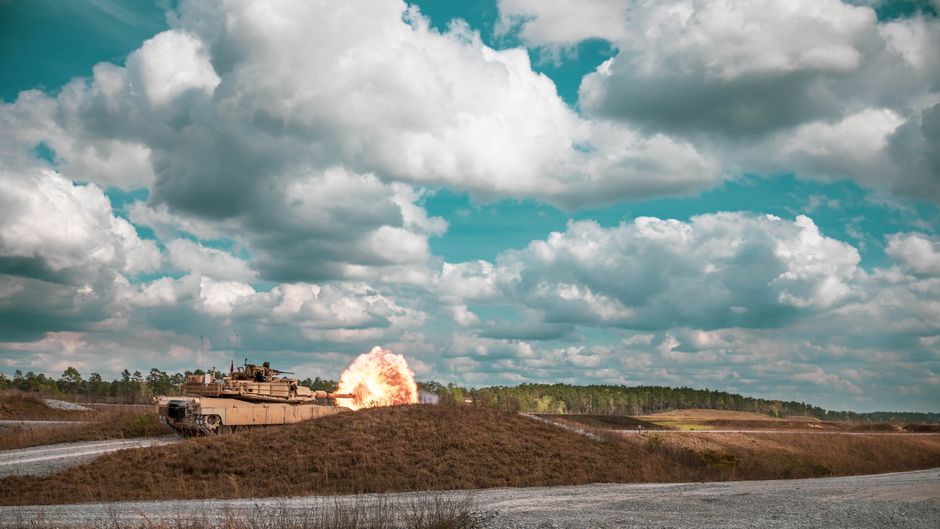
The evolution of early field artillery established the fundamental role of indirect and direct fire support that remains essential today. The challenges faced by early crews—mobility, precision, rate of fire, and logistics—continue to be the primary considerations for modern artillery units. While the technology has drastically improved, the tactical goal remains largely the same.
Modern artillery has traded stone shot for guided precision munitions, but the core logic of shaping the battlefield from a distance persists. Studying these early, imperfect machines provides vital context for understanding the immense complexity of modern combat systems. The legacy of those early gunners continues to shape how military forces approach power projection and tactical planning.