The Evolution Of Pc Gaming Peripherals And Hardware
The Evolution of Gaming Gear
The landscape of pc gaming peripherals and hardware has shifted dramatically over the past few decades. What started as simple office equipment repurposed for casual play has transformed into a highly specialized ecosystem designed to give players a competitive edge. This journey from beige, generic components to high-performance, RGB-lit gear reflects the massive growth of the industry itself.
Understanding this evolution helps gamers appreciate why certain features, such as high polling rates or tactile switches, have become industry standards. The industry continues to push boundaries, blending cutting-edge engineering with user-focused design to create a more immersive experience for everyone.
From Office Surplus to Dedicated Gaming Gear
In the early days of personal computing, most peripherals were designed for productivity rather than performance. Gamers had to make do with bulky, non-responsive membrane keyboards and basic ball-tracking mice that struggled to keep up with fast-paced action. These tools were often imprecise, leading to missed shots or sluggish movement during crucial moments in a game.
Manufacturers eventually realized that gamers needed more than just standard office equipment. This realization sparked a wave of innovation, leading to the development of hardware tailored specifically for the needs of competitive players. The focus shifted from simple input methods to precision, durability, and customization.
The Mechanical Keyboard Revolution
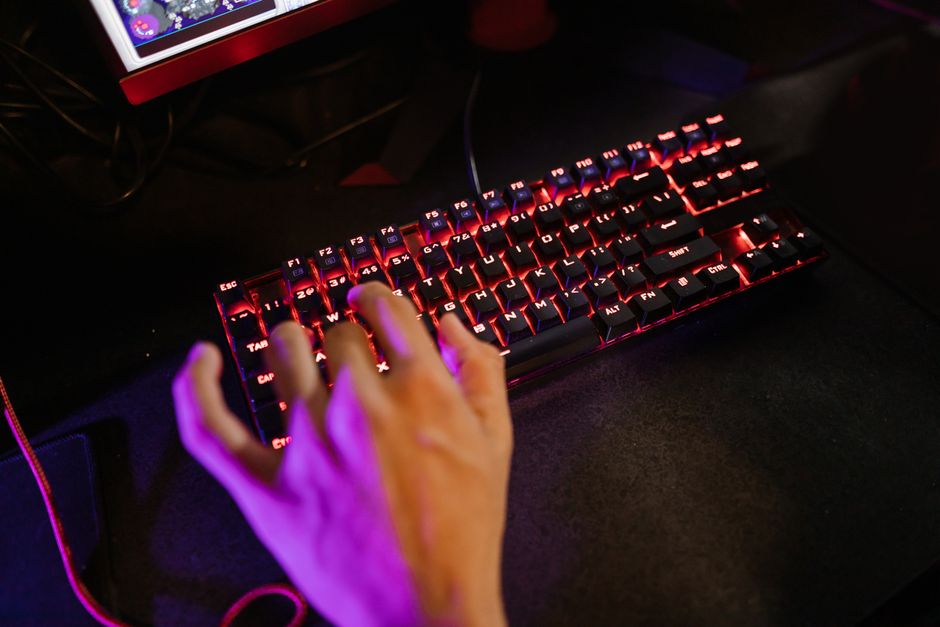
Mechanical keyboards completely changed how gamers interact with their PCs. Unlike traditional membrane boards, these feature individual mechanical switches beneath each keycap, providing distinct tactile and audible feedback that membrane keyboards simply cannot match.
Gamers can choose from a wide variety of switch types that suit their specific playstyle, whether they prefer a light touch for fast-paced shooters or a heavier, clicky feel for typing and strategy games. The durability of these high-quality components ensures they withstand millions of keystrokes, making them a long-term investment for any enthusiast.
This shift transformed gaming from a simple hobby into a much more responsive and reliable experience. Players could finally trust their inputs, knowing every press would register exactly when and how intended without compromise.
Precision Control with Advanced Gaming Mice
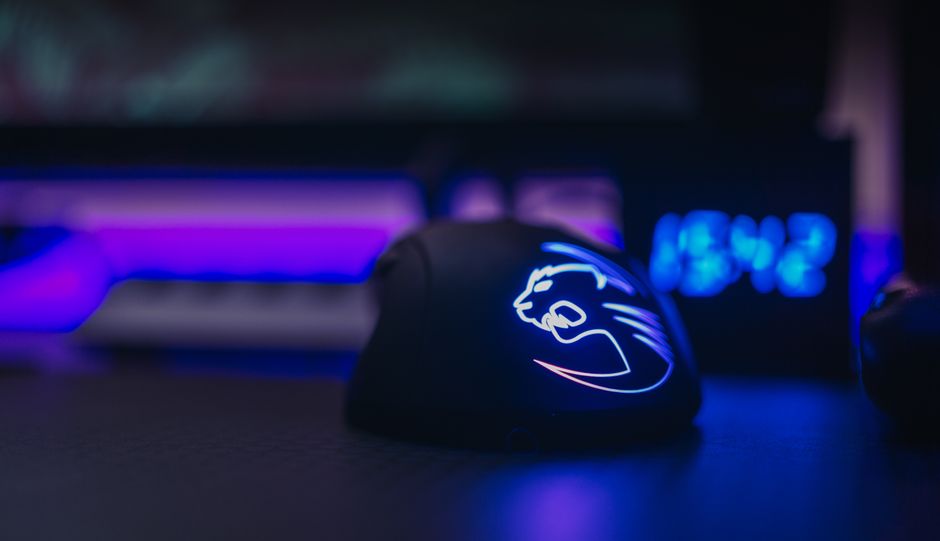
The gaming mouse has arguably seen the most significant technical advancements over the years. Early optical sensors were prone to tracking errors and lift-off issues, but modern sensors now offer incredible accuracy with adjustable DPI settings that allow players to fine-tune their sensitivity to the pixel.
Ergonomics have also come to the forefront, with manufacturers designing shapes that cater to various grip styles, whether palm, claw, or fingertip. Lightweight designs have become a trend, reducing fatigue during long sessions and enabling faster flick shots that are essential in competitive environments.
Wireless technology has finally caught up to wired alternatives in terms of latency, removing the tether that used to limit freedom of movement. Many modern mice now feature advanced polling rates that ensure seamless communication between the device and the computer.
Visual Clarity and High Refresh Rates
Monitors have moved far beyond the blurry, low-resolution screens of the CRT era. Today, high refresh rates are considered mandatory for competitive play, with 144Hz, 240Hz, and even 360Hz displays becoming common choices for enthusiasts who demand maximum fluidity.
Resolution has also seen a massive leap, with 1440p and 4K displays offering crisp visuals that make modern game environments look stunning. Technologies like G-Sync and FreeSync have effectively eliminated screen tearing, ensuring that gameplay remains smooth even when frame rates fluctuate during intense action.
The combination of high resolution and high refresh rates has redefined what players expect from their visual experience. It is no longer just about seeing the game; it is about experiencing the action with total clarity.
Modernizing pc gaming peripherals and hardware
The modern era is defined by the integration of smart features and aesthetic customization, which brings a new layer of personalization to every setup. The focus has expanded beyond raw performance to include features that enhance convenience, comfort, and the overall look of a gaming space.
Key modern trends that define current gear include:
- Customizable RGB lighting that synchronizes across all devices for a cohesive look.
- Programmable macro keys that allow users to automate complex actions with a single press.
- Hot-swappable components that make it easy to maintain or customize devices without technical expertise.
- Unified software suites that manage settings, firmware updates, and lighting profiles for all peripherals from one interface.

Immersion Through Audio and Ergonomics
High-quality audio has become essential for competitive gaming, where sound cues like footsteps or distant gunshots can provide a vital advantage. Modern headsets feature advanced spatial audio, allowing players to pinpoint enemy locations with impressive accuracy.
Ergonomic comfort has also become a priority, leading to the rise of specialized gaming chairs that support proper posture during extended play. These chairs often feature adjustable lumbar support, neck pillows, and customizable armrests to reduce strain and prevent discomfort.
This holistic approach to hardware ensures that gamers remain comfortable and focused throughout their sessions. It is no longer just about the input devices, but the entire environment surrounding the player.
The Next Frontier in Gaming Technology
Looking ahead, the next phase of development appears to be centered on deeper integration with artificial intelligence and virtual reality. Peripheral manufacturers are already experimenting with AI-driven software that can optimize mouse sensitivity or audio profiles on the fly based on the specific game being played.
Virtual reality continues to evolve, promising a future where peripherals may become even more immersive through haptic feedback and advanced tracking. These technologies aim to blur the line between the physical and digital worlds, creating experiences that feel more authentic than ever.
The evolution of this industry shows no signs of slowing down, as the demand for better, faster, and more immersive technology remains constant. Gamers can expect even more revolutionary changes as hardware continues to adapt to the needs of the next generation of players.