The Evolution Of Personal Transport From Military Vehicle Design
Have you ever looked at your rugged, modern SUV and wondered why it looks so capable of handling both the school run and a muddy trail? The answer often lies deep in history, stemming from lessons learned on the battlefield. The evolution of personal transport from military vehicle design has been a quiet force shaping the vehicles we rely on today, blending raw utility with modern comfort in ways we rarely stop to consider.
From the iconic silhouette of the Jeep to the advanced driver assistance systems in your latest sedan, the connection between combat engineering and civilian transport is profound. Engineers tasked with creating durable, versatile machines for soldiers inadvertently paved the way for the features that define our own driving experiences. Understanding this history gives us a new appreciation for the engineering marvels in our driveways.
The Birth of the Civilian Utility Vehicle
The most famous example of this transition is undoubtedly the Willys MB, known famously as the Jeep. Designed specifically for the urgent needs of the United States military during the Second World War, it needed to be lightweight, incredibly sturdy, and capable of traversing nearly any terrain. Soldiers found it so useful and adaptable that they couldn't imagine leaving it behind when they returned home to civilian life.
Automotive manufacturers quickly recognized this demand for ruggedness. They took the core principles of the military design—high ground clearance, four-wheel drive, and simplified maintenance—and repackaged them for farmers, outdoorsmen, and eventually, the suburban family. This shift marked the beginning of a massive trend where the capabilities required for conflict became the luxury features for leisure.
How Military Engineering Influences Safety
Beyond just raw mobility, the engineering standards born from necessity have drastically improved civilian safety. Military vehicles face extreme conditions, including explosive threats, harsh climates, and high-impact scenarios. These challenges forced engineers to innovate in materials science, developing stronger alloys and better impact-absorption structures long before they appeared in passenger cars.
We now take for granted features that trace their roots back to military requirements. These developments have transformed how vehicles handle structural stress, providing occupants with unprecedented levels of protection.
- Reinforced steel frames originally designed to withstand battlefield debris.
- Advanced roll-cage technology adapted for better cabin integrity during accidents.
- High-durability suspension systems capable of handling extreme off-road punishment.

The Evolution of Personal Transport From Military Vehicle Design and Aesthetics
It is not just the mechanical guts of our cars that draw inspiration from the past. The very look and feel of modern SUVs and pickup trucks borrow heavily from the brutal, functional aesthetics of combat vehicles. Design elements like flat panels, exposed hinges, and high-set stances communicate a sense of invincibility that resonates with buyers who want a vehicle that projects strength.
This aesthetic trend has become a dominant force in the automotive industry. Consumers are drawn to the rugged, utilitarian look because it suggests capability, even if the vehicle never leaves the pavement. This visual language is a direct descendant of the design philosophy where function dictated every curve and corner, proving that practicality can indeed be stylish.
Technological Leapfrogging
Many of the advanced electronics we enjoy today had their genesis in military research and development. Technologies like GPS navigation, thermal imaging sensors, and even advanced communication arrays were developed to give soldiers a decisive advantage. As these systems matured and costs decreased, they were adapted to enhance civilian vehicles.
This technological trickle-down effect is rapid in the modern era. Features that provide increased situational awareness, such as blind-spot monitoring and surround-view cameras, were initially designed to prevent accidents in complex, high-pressure environments. Today, they help us navigate crowded parking lots and busy highways with confidence.
The Modern SUV and Off-Road Culture
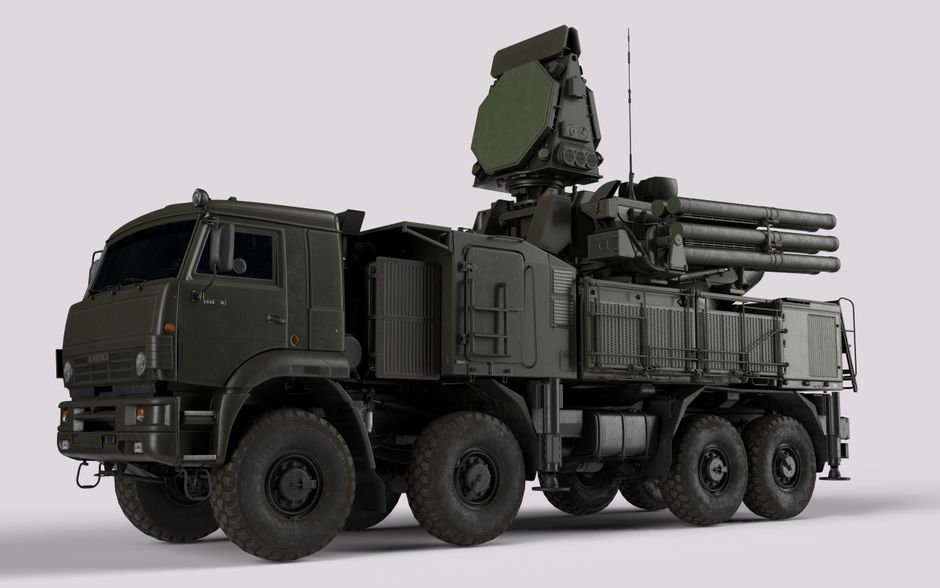
The influence of combat vehicles is particularly evident in the modern appetite for off-road capability. Brands now market their vehicles by showcasing their ability to tackle deserts, mountains, and deep snow, appealing to a desire for adventure and self-reliance. This obsession with off-road performance is a direct reflection of the versatility demanded by military transport.
Modern suspension technology, locking differentials, and terrain-management software are all evolutions of systems developed to keep military vehicles moving through impassable terrain. By bringing these capabilities to the consumer market, manufacturers allow us to explore the world in ways that were previously limited to military personnel. This freedom to explore is perhaps the most significant gift of this design lineage.
Future Innovations Driven by Combat Needs
Looking ahead, the next generation of civilian vehicles will likely be shaped by the military shift toward electric propulsion and autonomous driving. Combat units are testing silent electric vehicles to improve stealth and reduce logistics burdens, while autonomous drones and transport vehicles are being developed to navigate complex environments. These innovations will inevitably find their way into our daily lives, further cementing the bond between military technology and personal transport.
The path from the battlefield to the driveway is a testament to the power of functional engineering. What begins as a solution to a critical problem in the face of danger often ends up being the feature that makes our everyday lives easier, safer, and more adventurous. This cycle of innovation ensures that the vehicles of the future will remain as capable as ever.
