The Impact Of Aviation Technology On Intelligence And Combat Operations
The Evolution of Aerial Dominance in Conflict
The modern battlefield is no longer just about boots on the ground or naval presence. Instead, the impact of aviation technology on intelligence and combat operations has profoundly altered how nations gather information and conduct strikes. By shrinking the world through speed and expanding our vision through advanced sensors, aviation has redefined what it means to have an advantage in conflict.
Technological leaps have transformed aircraft from simple observation tools into complex, integrated weapons systems. These platforms now function as critical nodes in a massive, interconnected network, providing commanders with unparalleled visibility and lethality. Understanding this shift is essential for grasping the nature of contemporary military engagements.
The Shift from Observation to Insight
Early military aviation focused primarily on basic observation and reconnaissance. Pilots would fly over enemy lines, sketching what they saw or taking grainy photographs that took days to process and analyze. Today, that manual process is long gone, having been completely replaced by high-resolution imagery and near-instantaneous data transmission.
Advanced sensors, including infrared, radar, and hyperspectral imaging, allow aircraft to "see" far beyond the visible spectrum. This capability enables forces to detect concealed assets, track movements through dense foliage, and monitor activities at night. These advancements provide actionable intelligence rather than just raw imagery, turning aerial platforms into proactive assets rather than passive observers.

Understanding the Impact of Aviation Technology on Intelligence and Combat Operations
The core of this transformation lies in the seamless integration of intelligence gathering with kinetic strike capabilities. Modern aircraft are designed to act as both a sensor and a shooter, often in the same mission. This reduction in the time between identifying a target and engaging it is a direct result of improved aviation technology.
By streamlining data flow, military forces have achieved a level of operational responsiveness that was previously impossible. When an aerial platform identifies a fleeting opportunity or a high-value target, it can communicate this information directly to command systems or initiate action itself. This fusion of roles has fundamentally changed how missions are planned and executed on the ground.
The Power of Persistent Surveillance
One of the most significant changes in recent decades is the rise of unmanned aerial systems, or drones, which offer persistence that manned aircraft cannot match. These platforms can remain airborne for hours or even days, hovering over areas of interest to build a comprehensive picture of enemy activity. This persistence allows for the development of deep, nuanced intelligence that informs tactical decisions.
The advantages offered by these persistent platforms include:
- Real-time sensor data streaming directly to command centers.
- Advanced thermal and multi-spectral imaging capable of piercing through cloud cover and darkness.
- Automated pattern recognition algorithms that identify potential threats before they materialize.
- Increased loitering capability, allowing for extended monitoring without the risk to human pilots.
Precision and the Speed of Response
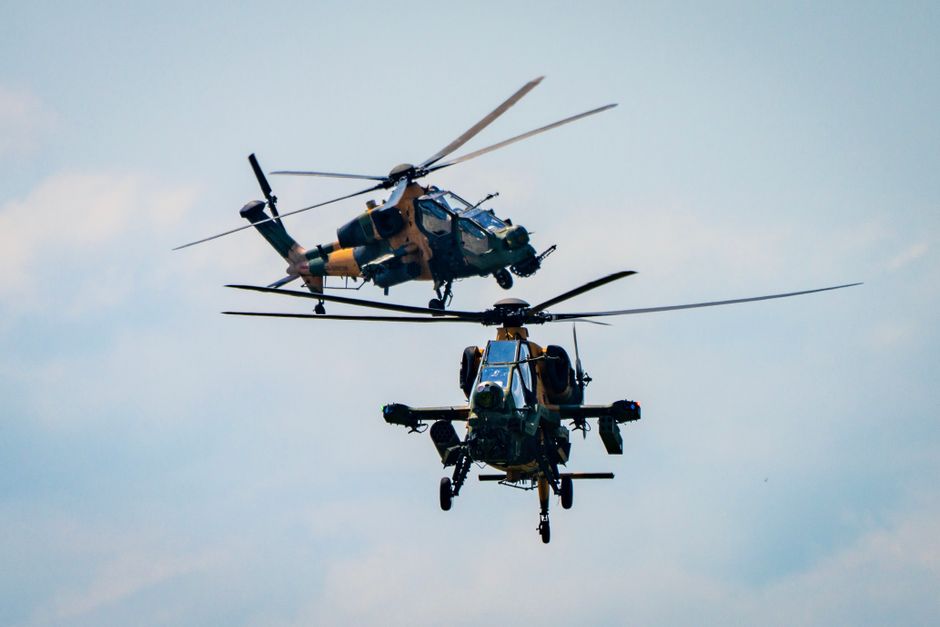
Aviation technology has enabled an unprecedented level of precision in combat operations. Guided munitions, coupled with sophisticated targeting pods, allow aircraft to strike specific points with incredible accuracy while minimizing collateral damage. This precision is essential in environments where distinguishing between combatants and non-combatants is a significant challenge.
The speed at which these strikes can be authorized and executed is equally crucial. Modern command and control systems utilize aviation data to ensure that targets are engaged only when the intelligence picture is complete and verified. This speed reduces the window of opportunity for an adversary to react or retreat, making the impact of aviation technology a decisive factor in tactical success.
Human Decision-Making in a Data-Rich Environment
Despite the high levels of automation, human judgment remains at the center of intelligence and combat operations. The sheer volume of data produced by modern aerial platforms can be overwhelming, necessitating advanced decision-support systems to help analysts and pilots process information. These systems filter, organize, and highlight the most relevant data points.
The challenge for commanders is to interpret this influx of information correctly without succumbing to analysis paralysis. Aviation technology has not replaced the human element; instead, it has shifted the focus toward higher-level synthesis and strategic reasoning. The effectiveness of any aerial asset depends heavily on the quality of the people managing the data and making the final tactical calls.
The Future Horizon
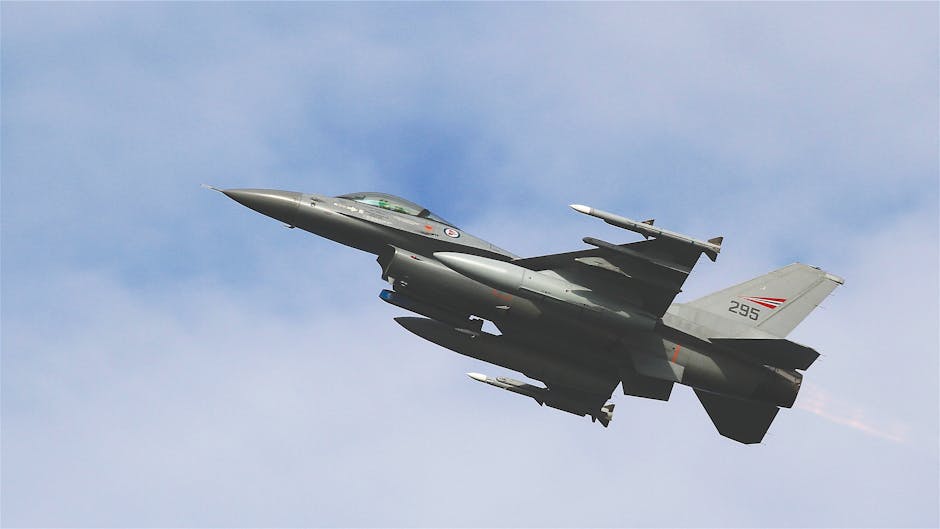
As we look forward, the integration of artificial intelligence and machine learning will likely further amplify the effectiveness of aerial platforms. Future systems will be able to process sensor data on-board, autonomously identifying threats and optimizing flight paths in contested environments. These advancements will continue to push the boundaries of what is possible in surveillance and combat.
Maintaining a technological edge requires continuous investment in research and development to counter emerging threats. As adversaries develop new methods of denial and deception, the next generation of aviation tech must be more resilient and adaptable. This ongoing cycle of innovation ensures that the influence of aerial platforms on warfare will only grow more profound.