The Importance Of Wartime Medical Breakthroughs In Modern Healthcare
Ever wonder why your local emergency room operates with such remarkable precision? The speed and efficiency we expect from modern healthcare systems are not accidental. Instead, they are deeply rooted in lessons learned during the most challenging moments in history. The history of wartime medical breakthroughs illustrates how extreme necessity often serves as the most powerful catalyst for life-saving innovation.
When resources are scarce and the pressure is relentless, the traditional pace of medical research accelerates. Battlefield surgeons and researchers have been forced to rethink everything from how we stop bleeding to how we manage trauma-induced stress. This high-stakes environment has shaped the very foundation of current surgical techniques, emergency protocols, and preventative care methods used in clinics every day.
The Battlefield as an Unlikely Innovation Hub
The battlefield is an incredibly harsh environment, yet it forces rapid adaptation that laboratories rarely replicate. Medical professionals working under fire must find solutions immediately, often abandoning established procedures in favor of what actually works in the moment. This culture of immediate, practical problem-solving has paved the way for technologies that now seem commonplace, such as mobile field hospitals and advanced telecommunication tools for remote diagnostics.
The urgency of war shifts the focus from theoretical debates to practical outcomes. When lives are at stake, bureaucratic delays are replaced by a singular, intense focus on survival. This shift has historically led to the development of better materials for medical use, ranging from improved surgical instruments to advanced stabilization devices for injured patients.
How Wartime Medical Breakthroughs Redefined Trauma Care
Before the massive scale of 20th-century conflicts, treating severe hemorrhage was one of the most difficult challenges a doctor could face. Innovations such as the rapid implementation of tourniquets and specialized pressure dressings were refined during wartime, moving from niche tools to standard equipment. These advances have fundamentally altered how civilian paramedics manage severe injuries from car accidents or industrial incidents.
Blood transfusion technology also received a massive boost during wartime. The necessity of treating massive blood loss on the front lines led to better methods for storing, transporting, and quickly matching blood types. Today, hospitals have blood banks that are direct descendants of the mobile transfusion units pioneered in war zones, ensuring that critical care is always available when patients need it most.
Triage and Logistics: Lessons for Public Health
Effective resource management is critical when dealing with a high volume of casualties. The concept of triage—systematically categorizing patients by the severity of their injuries to prioritize those who need immediate care—was largely perfected in military settings. This logical approach allows medical teams to make difficult, life-saving decisions under intense pressure, a technique now used globally in ERs and during mass-casualty disaster responses.
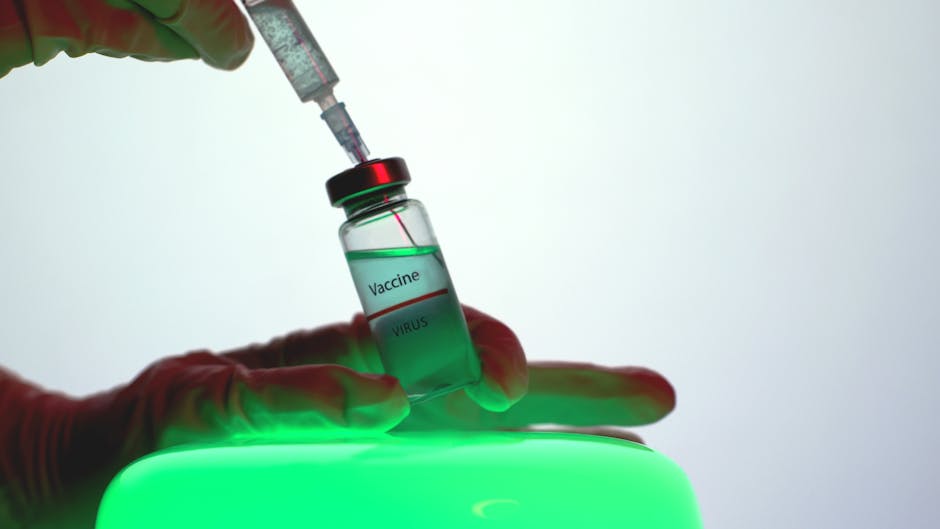
Logistics in a war zone involves moving supplies and people through dangerous, unpredictable terrain. Military medical planners developed sophisticated supply chain strategies to ensure that bandages, medication, and blood were available precisely where and when they were required. Public health authorities now adapt these military-style logistics to distribute vaccines and essential medicines quickly during widespread health crises or pandemics.
Antibiotics and the Evolution of Infection Control
Infection was once a far greater killer on the battlefield than direct combat injuries. The push to mass-produce penicillin during the second World War is perhaps the most famous example of how military necessity revolutionized global health. This massive manufacturing effort didn't just save soldiers; it signaled the beginning of the antibiotic era, dramatically reducing death rates from everyday infections worldwide.
Beyond antibiotics, wartime also forced advancements in surgical hygiene and wound management. Keeping field operating environments clean required creative, portable sterilization methods that could function in extreme conditions. The principles developed for these temporary environments have directly informed current hospital protocols for infection control, including standard operating procedures for operating rooms and intensive care units.

From Prosthetics to Robotics
Modern prosthetics have evolved from simple wooden limbs into sophisticated, functional devices that allow users to regain near-normal movement. This transformation has been significantly driven by the needs of veterans who returned home with life-altering injuries. The demand for better mobility and quality of life prompted intensive research into biomechanics, materials science, and neural interfaces.
Many of the robotic prosthetics now on the market began as research initiatives funded to support injured service members. These innovations have expanded well beyond military applications, directly benefiting civilian patients who have lost limbs due to accidents or medical conditions like diabetes. The focus on integrating technology with human biology continues to push the boundaries of what is possible in reconstructive surgery.
- Advanced neural mapping allows for more intuitive control of bionic limbs.
- Lightweight composite materials have replaced heavy, restrictive artificial parts.
- Sophisticated sensors now provide sensory feedback to the user, enhancing limb control.
- Collaborative research efforts have accelerated the speed of prosthetics development.
Mental Health and PTSD Awareness
For many years, the psychological impact of war was misunderstood, often misdiagnosed, or ignored completely. The recognition and study of what was once called shell shock, and is now understood as Post-Traumatic Stress Disorder (PTSD), have been driven by military medical research. By studying the profound, lasting effects of combat on the human mind, researchers have developed better therapeutic interventions for trauma survivors in all walks of life.
This shift in understanding has helped destigmatize mental health care and encouraged the development of more effective, evidence-based treatments. Therapeutic techniques such as cognitive behavioral therapy have been adapted to address trauma-related issues effectively, ensuring that civilians suffering from diverse forms of trauma receive the support they need. The military’s ongoing focus on resilience training also offers valuable tools for managing stress and mental health in the broader population.
The legacy of these medical advancements continues to shape patient outcomes, proving that lessons learned in the darkest of times can illuminate the path toward better care for everyone. By understanding the origins of these practices, we gain a deeper appreciation for the resilience and ingenuity that defines modern medicine. Every time a life is saved by an efficient triage system or a quick transfusion, we are witnessing the enduring, positive impact of these essential historical efforts.