Using Artificial Intelligence To Improve Supply Chain Management Logistics
The Modern Logistics Landscape
Modern global commerce moves at an incredible pace, often creating bottlenecks that traditional methods struggle to manage. Many companies are now leveraging artificial intelligence to improve supply chain management logistics to gain a competitive edge in this complex, interconnected market. By moving beyond manual processes, organizations can finally handle massive volumes of data with unprecedented speed and accuracy.
The reliance on legacy systems often leads to disjointed operations and delayed decision-making. Transitioning to smarter technology allows teams to see the entire movement of goods from raw material to end consumer in real time. This visibility is no longer just a luxury, it is a requirement for survival.
Leveraging Artificial Intelligence to Improve Supply Chain Management Logistics
When we talk about applying technology to these processes, it really boils down to turning data into actionable intelligence. Companies using artificial intelligence to improve supply chain management logistics can process thousands of variables simultaneously, from weather patterns to geopolitical shifts. This capacity transforms a reactive operation into a proactive powerhouse.
Machine learning models learn from historical performance to predict future outcomes with high precision. Instead of simply responding to disruptions, teams can now foresee potential issues before they escalate. This shift saves significant resources and reduces downtime across the board.
Predictive Analytics for Demand Forecasting
Understanding what customers will want before they ask for it remains the holy grail of retail and distribution. Artificial intelligence analyzes consumer behavior, market trends, and seasonal spikes to generate highly accurate demand forecasts. This precision reduces the likelihood of overstocking or missing critical sales opportunities.
Accurate forecasting has a ripple effect throughout the entire network, stabilizing production schedules and labor requirements. When planners have confidence in their data, they stop making desperate guesses and start making calculated decisions. The result is a much smoother flow of goods and services.
Optimizing Inventory and Reducing Waste
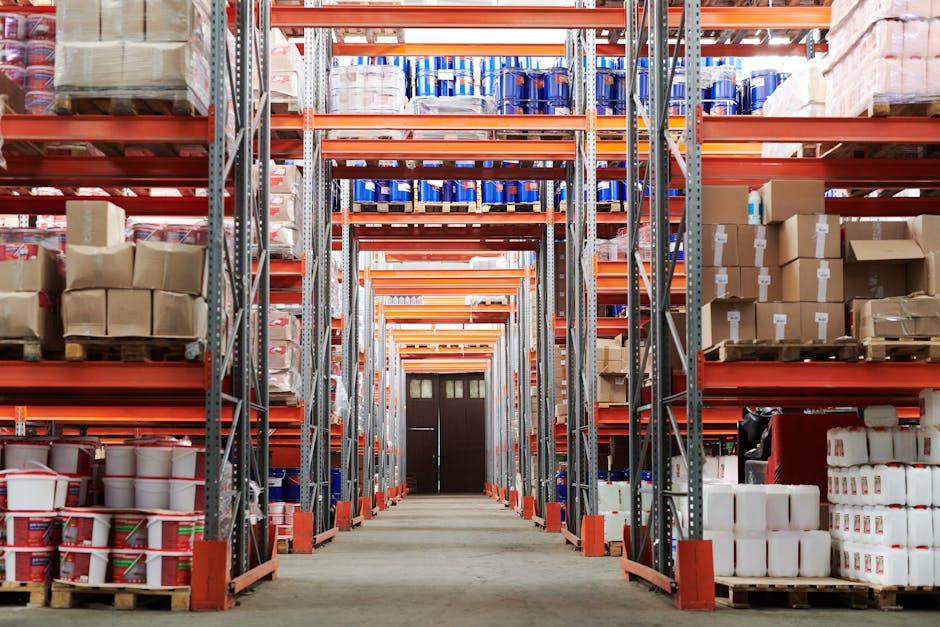
Inventory management often suffers from the twin problems of capital being tied up in excess stock or losing revenue through stockouts. Smart systems continuously monitor stock levels and automatically trigger replenishment orders based on real-time consumption data. This ensures that the right products are in the right place at the right time.
Reducing excess inventory directly improves cash flow and frees up valuable warehouse space for high-turnover items. Consider the following benefits of AI-driven inventory control:
- Significant reduction in carrying costs and insurance premiums.
- Minimized risk of product obsolescence, especially for perishable goods.
- Improved service levels due to more reliable product availability.
- Better coordination between procurement and sales departments.
Enhancing Warehouse Efficiency through Automation
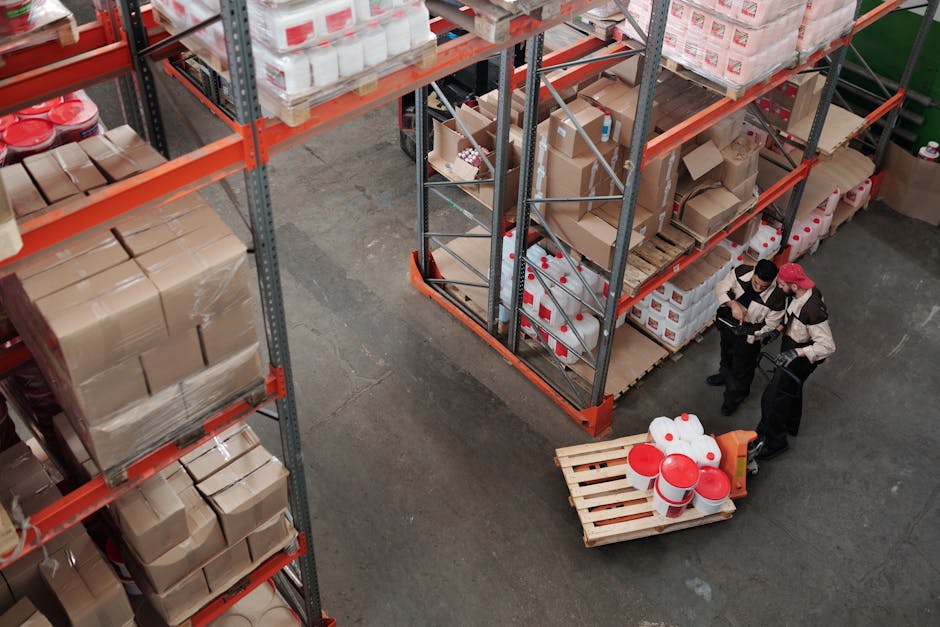
Warehouses are often the most labor-intensive part of the logistics chain, making them perfect candidates for technological upgrades. AI-powered robots and intelligent picking systems work alongside human staff to accelerate order fulfillment times. These tools optimize travel paths, reduce physical strain, and minimize human error in sorting and packing.
Beyond just robotics, smart management systems reconfigure floor layouts and slotting strategies dynamically. If a certain product suddenly becomes popular, the software directs staff to store it closer to the shipping docks. This agility keeps the entire facility operating at peak performance regardless of fluctuations in demand.
Streamlining Supplier Relationship Management
A supply chain is only as strong as its weakest supplier, making vendor management a critical function. Artificial intelligence provides a clear view into supplier performance by analyzing delivery reliability, quality control metrics, and financial stability. This objective data helps organizations build stronger partnerships with the most dependable vendors.
When issues do arise, AI systems can quickly suggest alternative suppliers or help negotiate better terms. This capability removes the emotional bias that sometimes clouds human judgment in vendor disputes. It ensures that procurement remains focused on long-term value rather than short-term convenience.

Transforming Last-Mile Delivery
The final leg of delivery is often the most expensive and complex part of the logistics journey. Routing software uses AI to navigate traffic in real time, accounting for road closures, construction, and delivery windows. By optimizing these routes, companies reduce fuel consumption and ensure that drivers can complete more deliveries in less time.
These systems can also integrate customer preferences, such as specific delivery times or safe drop-off locations. Meeting these specific needs improves customer satisfaction and reduces the likelihood of failed delivery attempts. A smoother last-mile experience directly correlates with repeat business and improved brand reputation.
Building Resilience and Long-Term Success
The ability to adapt quickly to unexpected challenges is what defines a resilient supply chain today. AI platforms simulate various disruption scenarios, such as port closures or sudden surges in shipping costs, allowing planners to develop robust contingency plans. This preparedness allows businesses to pivot quickly rather than stalling when things go wrong.
Embracing these technologies is an ongoing process of refinement and integration rather than a one-time setup. As organizations collect more data, their systems become smarter, faster, and more effective. The businesses that master this cycle are the ones that will lead their industries in the years to come.