Why Professional Photographers Now Use Smartphone Cameras Regularly
The Shift in Professional Imaging
The industry has shifted significantly, which is why professional photographers now use smartphone cameras regularly to capture stunning images. For decades, the divide between professional-grade DSLRs and consumer mobile devices was immense, characterized by a clear separation in sensor size, lens quality, and raw processing power. That gap has narrowed drastically, forcing many pros to rethink their approach to everyday photography and high-end commercial projects alike.
Modern mobile devices are no longer just tools for quick snapshots. They are sophisticated imaging platforms capable of producing files that meet high professional standards, offering features that once required thousands of dollars of bulky equipment. Understanding this evolution helps clarify why these pocket-sized tools have become essential components of a modern photographer’s kit.
The Practical Reasons Why Professional Photographers Now Use Smartphone Cameras Regularly
Convenience stands at the forefront of this trend. Professional photographers often face scenarios where carrying a full-frame camera and multiple prime lenses is impractical, heavy, or even intrusive. A smartphone allows them to remain agile and ready, ensuring they never miss a moment because they were swapping lenses or setting up a tripod.
This portability does not mean sacrificing quality. With the rise of high-resolution sensors and advanced optics, the images produced by current flagships are sharp, color-accurate, and capable of being printed at respectable sizes. Many pros have discovered that for certain types of lifestyle or street photography, the difference in image quality is negligible compared to the massive gain in freedom and speed.

The Evolution of Mobile Sensor Technology
Hardware improvements have been monumental over the last few years. Smartphone manufacturers have successfully integrated larger sensors, improved optical image stabilization, and multi-lens systems that mimic the versatility of professional zoom and wide-angle kits. These hardware advances provide a solid foundation for high-quality image capture that serves as a reliable starting point for post-processing.
Beyond the physical sensor size, the optics have undergone an equally impressive transformation. High-quality glass elements are now standard in top-tier devices, significantly reducing distortion and lens flare. These improvements ensure that the raw data captured by the phone is clean and detailed, giving photographers more latitude when editing files later.
Computational Photography and AI Integration
The secret weapon of the modern smartphone is computational photography. Rather than relying solely on the physical limits of the lens and sensor, software algorithms work in real-time to optimize exposure, dynamic range, and noise reduction. This technology allows a small camera to rival the dynamic range of much larger, dedicated imaging systems.
Artificial intelligence also plays a crucial role in scene detection and subject separation. Whether it is intelligently isolating a portrait subject for a natural-looking bokeh effect or stitching together frames for a seamless high-dynamic-range image, the phone’s processing power handles complex tasks instantly. This automated expertise helps professionals achieve technically difficult shots that might otherwise require complex manual settings.
Mastering Low-Light Performance
Historically, low-light photography was the Achilles' heel of mobile cameras, but that has changed dramatically. Specialized night modes now allow photographers to capture clean images in near-darkness by taking multiple exposures and aligning them to eliminate motion blur and noise. This capability has opened up entirely new creative possibilities for nighttime shooting without the need for heavy flash equipment.
Professionals now trust these modes to deliver usable footage even when ambient light is extremely limited. By leveraging the phone’s ability to "see" in the dark, they can capture atmospheric shots at events or street scenes that previously required a dedicated camera with a wide-aperture lens. It allows for a more subtle and less invasive approach to evening photography.
Workflow Efficiency and Social Media
In a fast-paced media landscape, the ability to edit and share images instantly is invaluable. Smartphones provide a seamless, end-to-end workflow where a photographer can capture, edit using powerful apps, and deliver the final product to a client or social media platform within minutes. This immediacy is often a requirement for clients who need content for live updates or trending social media campaigns.
The integration between the camera, cloud storage, and editing software is nearly instantaneous. This bypasses the traditional, time-consuming process of transferring files from an SD card to a laptop, importing them into editing software, and exporting them again. For photographers balancing multiple projects, this time-saving workflow is a massive competitive advantage.

When to Choose Professional Gear vs. the Smartphone
While the utility of mobile devices is undeniable, pros are strategic about when to use them. Understanding the limitations remains crucial to maintaining the quality clients expect. Experienced photographers use specific criteria to decide which tool is best for the task at hand:
- Studio portrait sessions: Still best suited for full-frame cameras with specialized lighting for total control over depth of field and high-resolution output.
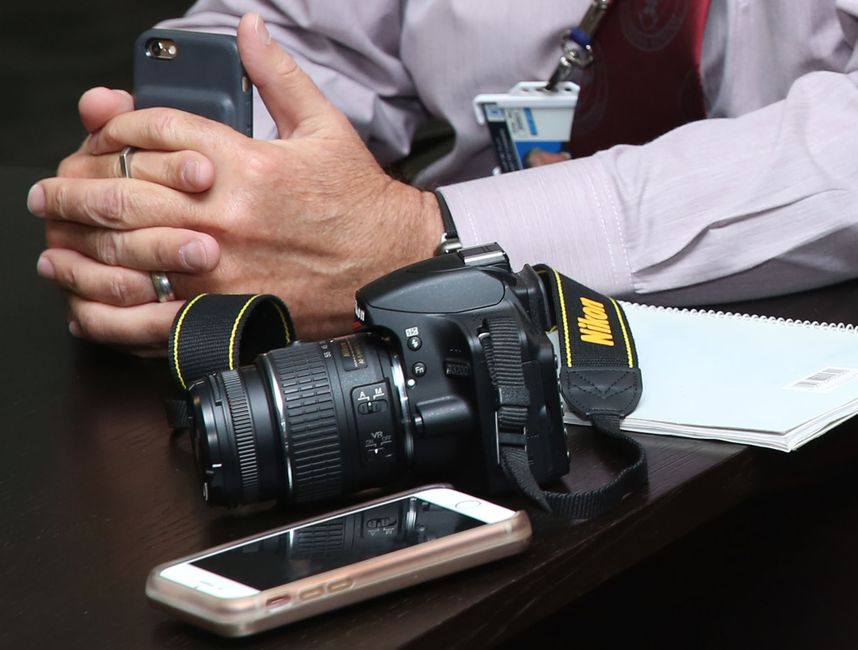
- Fast-paced event coverage: Perfect for phones to quickly capture and share candid moments while the primary camera handles the main staged shots.
- Street photography and lifestyle: Ideal for phones to remain low-profile and less intimidating, allowing for more natural, unposed subjects.
- High-end commercial print campaigns: Still rely on dedicated high-resolution sensors and prime optics to ensure the highest fidelity and detail.
The Future of Professional Mobile Photography
As computational power grows, the line between dedicated cameras and smartphone cameras will continue to blur. Future developments in mobile imaging will likely focus on even more advanced sensor technology, better image stabilization, and more intuitive, AI-driven editing tools. This trend will only further solidify the role of smartphones in a professional's daily toolkit.
The ability to carry a powerful imaging device at all times is a game-changer for any professional photographer. By embracing this technology, they can focus more on the moment and less on the gear, ensuring they capture the best possible images in any environment. As a tool, the phone has become an indispensable extension of the professional camera bag.