Ancient Siege Engines Explained And How They Breached Massive Walls
The Evolution of Ancient Siege Warfare
Imagine the scene: thousands of soldiers surrounding a fortified city, the air thick with tension. For centuries, armies sought ways to overcome seemingly impenetrable defenses, leading to the ingenious development of ancient siege engines. These mechanical marvels were designed not just to intimidate, but to systematically dismantle fortifications that had stood for generations.
Before these machines existed, attackers had to rely on starving out defenders or hoping for a lucky breach in the gate. The introduction of specialized machinery shifted the balance of power, forcing city planners to rethink their defenses entirely. This arms race between wall builders and siege engineers defined the pace of ancient military history.
The Battering Ram: Simple Yet Devastating
Perhaps the most iconic of all ancient siege engines, the battering ram was deceptively simple in its concept but brutal in its application. It consisted of a heavy log, often capped with iron, suspended within a protective wooden framework on wheels. Soldiers would swing the massive timber repeatedly against a city gate or a weaker section of wall until the structure finally surrendered to the kinetic energy.
To protect the crew from arrows and boiling oil poured from above, the frame was frequently covered with damp animal hides. This provided a fire-resistant shell, allowing the ram to move right up to the fortifications. The psychological impact of the rhythmic, booming sound against the gate was often just as effective as the physical damage itself.

Catapults and Ballistae: The Art of Distance
As cities built thicker, taller walls, attackers needed ways to strike from a distance, leading to the invention of torsion-powered machines like the ballista and the catapult. These devices used twisted bundles of animal sinew or human hair to store massive amounts of energy, which was then released to propel stones or heavy bolts at high velocity. The engineering required to maintain this tension was a closely guarded military secret.
These weapons were not just used to smash walls, but to clear defenders from the battlements. By raining down projectiles, they created enough chaos to allow infantry to advance. Precision was surprisingly high for the era, allowing skilled operators to target specific defensive towers or gatehouse mechanisms.
The Siege Tower: A Vertical Threat
When walls became too tall to climb with ladders, the siege tower provided the ultimate solution for infantry. These massive, multi-story wooden structures were built on-site to match the height of the enemy fortifications, often encased in fireproof materials. Once moved into place, a bridge or drawbridge was lowered, allowing troops to flood directly onto the battlements in a concentrated assault.
The logistics behind moving these giants were immense, requiring flat ground and careful preparation. However, once a tower reached the wall, the defenders faced a crisis. They were no longer fighting from a position of relative safety but were suddenly engaged in hand-to-hand combat on their own ramparts.
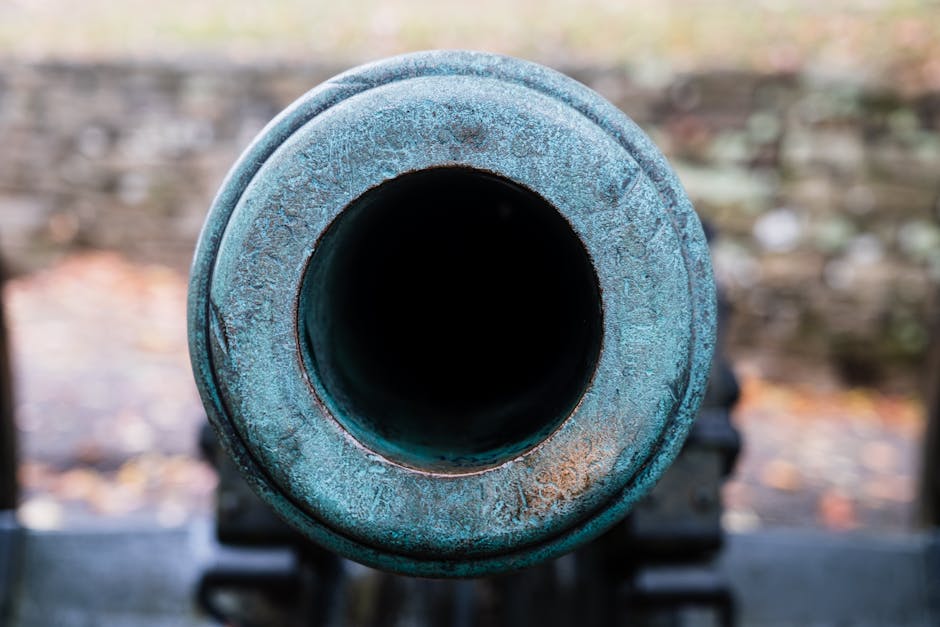
How Ancient Siege Engines Overcame Massive Walls
The success of these machines relied on a multi-pronged approach that combined force, patience, and engineering brilliance. It was rarely about a single strike; rather, it was the cumulative effect of pressure that eventually forced a breach. Defenders were often overwhelmed by the variety of threats, preventing them from focusing their resources effectively.
Several key strategies were typically employed to break down defenses:
- Undermining: Engineers would dig tunnels under walls to collapse foundations, rendering high walls useless.
- Bombardment: Using ancient siege engines to weaken the mortar and stone before a direct assault was attempted.
- Psychological Warfare: The constant threat of impending doom through noise and visual displays was meant to force surrender before the final assault.
- Blocking Supplies: While the machines did their work, surrounding the city prevented fresh resources from reaching the defenders.
The Engineering Logistics Behind the Machines
The construction and maintenance of ancient siege engines required a massive logistical tail, often comprising more workers than the soldiers themselves. Carpenters, ironworkers, and engineers were essential components of any major campaign. These machines were often built using local timber to save time and transport costs, a practice that demanded deep knowledge of material science and structural integrity.
Transporting these components was a major challenge, especially over rough terrain or during unfavorable weather. Many armies traveled with specialized teams dedicated solely to the assembly and repair of these engines under battlefield conditions. The ability to keep these complex systems operational while under fire was a testament to the skill and discipline of these early engineers.

The Legacy of Siege Warfare
While modern technology has moved far beyond the mechanics of antiquity, the principles established by these early inventors remain relevant. The need to overcome defensive barriers led to innovations in physics, mechanics, and logistics that paved the way for future military advancements. The history of ancient siege engines is, at its core, a story of human ingenuity under pressure.
These machines shaped the map of the ancient world by defining which cities could hold out and which would fall. Their legacy is seen in the ruins of massive fortifications that still stand today, silent witnesses to the ingenuity required to defeat them. Understanding this history gives us a deeper appreciation for the complex challenges faced by ancient civilizations.