How Advancements In Jet Propulsion Changed The World After 1945
The Transformation of Human Mobility
The world looked vastly different on the morning of September 3, 1945. Emerging from the shadow of global conflict, humanity stood on the precipice of a technological revolution that would fundamentally alter our perception of space and time. Central to this transformation were the rapid advancements in jet propulsion, a technology that leaped from secret prototypes to the engine of global progress almost overnight.
Before the jet age, international travel was an arduous undertaking reserved for the wealthy or the exceptionally patient. Propeller-driven aircraft were limited by speed, altitude, and range, making the prospect of crossing continents within a single day a distant dream. The shift to jet power shattered these limitations, acting as a catalyst for a newly interconnected society.
The Dawn of the Jet Age
While the first jet engines appeared during the war, their true potential blossomed in the decades that followed. Engineers shifted their focus from purely military applications toward the development of reliable, efficient engines capable of sustained flight. This period saw a massive influx of funding and research talent, accelerating the refinement of turbine technology.
Early pioneers encountered significant challenges, including metal fatigue and fuel efficiency issues, but these hurdles drove innovations in metallurgy and aerodynamics. By the late 1950s, the debut of commercial jetliners marked a definitive turning point for aviation. Suddenly, the sky was no longer a barrier but a gateway to a faster, more accessible world.
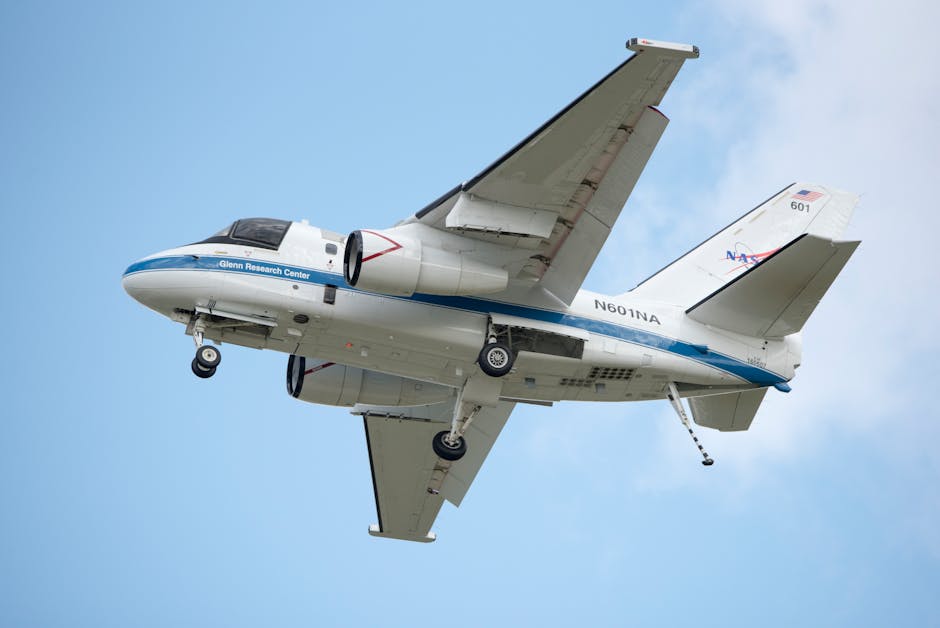
Shrinking the Globe: Advancements in Jet Propulsion and Travel
The immediate consequence of the jet engine was the dramatic reduction in travel time between major global hubs. Routes that once required days of refueling stops and overnight layovers could now be completed in a matter of hours. This shift fundamentally changed how people interacted, worked, and experienced different cultures.
The democratization of air travel followed shortly thereafter, as economies of scale made flying more affordable for the average person. Families could now visit relatives on the other side of the country in a single afternoon, and tourism evolved into a massive, thriving global industry. Jet propulsion turned the vast expanse of the planet into a much smaller, more familiar place.
- Increased flight speeds reduced transatlantic travel times from over 20 hours to under 8.
- New routes opened up previously inaccessible destinations to mainstream tourism.
- Improved engine reliability meant safer and more frequent international connections.
Redefining Logistics and Global Trade
While passengers enjoyed the convenience of faster travel, the impact on global trade was perhaps even more profound. The ability to transport goods rapidly over immense distances transformed supply chains, enabling businesses to operate on a truly global scale. High-value cargo, perishable goods, and time-sensitive materials were suddenly mobile in ways never before imagined.
Retailers and manufacturers embraced the concept of just-in-time delivery, relying on air freight to maintain lean inventories. This agility allowed companies to respond quickly to changing market demands and consumer trends. The modern global economy, characterized by the rapid exchange of goods and ideas, simply would not function without the foundation laid by jet-powered logistics.

The Impact of Jet Propulsion on Military Strategy
Post-1945, military doctrines underwent a radical overhaul as the speed and range of aircraft increased exponentially. The jet engine provided the necessary velocity to evade interception, conduct long-range reconnaissance, and deploy assets rapidly across theaters of conflict. Control of the air became the ultimate determinant of tactical superiority.
The Cold War further accelerated these developments, as nations competed for dominance in speed, altitude, and surveillance capabilities. This technological arms race fostered constant innovation, leading to the development of sophisticated avionics, stealth technology, and vertical takeoff aircraft. The legacy of this era continues to influence modern aerospace design and defense strategies worldwide.
Technological Spinoffs and Engineering Milestones
The pursuit of better jet engines resulted in remarkable engineering breakthroughs that extended far beyond aviation. The need for heat-resistant materials, high-speed lubricants, and precise manufacturing techniques forced industries to innovate at an unprecedented pace. These advancements permeated other sectors, including power generation, automotive engineering, and space exploration.
For example, the turbine technology developed for aircraft engines was adapted for ground-based power plants, increasing the efficiency of electricity generation. Furthermore, the push for lighter, stronger components led to significant developments in synthetic materials and carbon fiber composites. We benefit from these secondary innovations in our daily lives more often than we realize.

Looking Ahead: The Future of High-Speed Flight
As we look forward, the focus of jet propulsion is shifting toward sustainability and even greater efficiency. The industry is currently investing heavily in alternative fuels, electric hybridization, and advanced engine architectures to reduce the environmental footprint of aviation. These efforts represent the next major chapter in the evolution of flight.
Research continues into supersonic and hypersonic capabilities, aiming to restore the dream of ultra-fast long-distance travel. While engineering challenges remain substantial, the history of aviation tells us that these barriers are merely temporary. The spirit of ingenuity that drove the initial advancements in jet propulsion remains as vibrant as ever, ensuring that the sky will continue to be a frontier of human possibility.