How Ancient Signal Systems Coordinated Large Armies Across Vast Distances
The Silent Heroes of Ancient Military Strategy
Imagine standing as a general in command of thousands of troops spread across jagged mountains or vast plains, with no way to send an instant message. Without mobile phones, internet, or even a basic radio, controlling such massive forces was an immense logistical challenge that could easily turn into chaos. The solution relied on ingenuity, foresight, and a robust network of ancient signal systems, which served as the original high-speed communication backbone.
These methods were not primitive; they were sophisticated, highly coordinated networks designed to bridge immense distances in minutes rather than days. By mastering the elements of light, sound, and visual cues, commanders were able to orchestrate complex maneuvers, warn of impending invasions, and synchronize attacks across far-flung territories. Exploring these techniques reveals just how interconnected the ancient world truly was, long before the digital age redefined how we share information.
Why Ancient Signal Systems Were Crucial for Empire Building
Large empires required efficient communication to maintain control and defend their borders. Without a reliable way to relay information, a frontier garrison facing a sudden attack might be wiped out before headquarters even learned there was a threat. Ancient signal systems provided the essential speed needed to mobilize reinforcements, maintain supply lines, and project imperial power over vast, often hostile landscapes.
These networks acted as a deterrent, letting enemies know that a threat to one part of the realm would be met with an immediate, organized response. They allowed emperors and generals to exercise authority over territories that would otherwise be impossible to govern effectively. This ability to command from afar was a foundation for the stability and expansion of major historical powers.
Lighting the Night with Fire Beacons
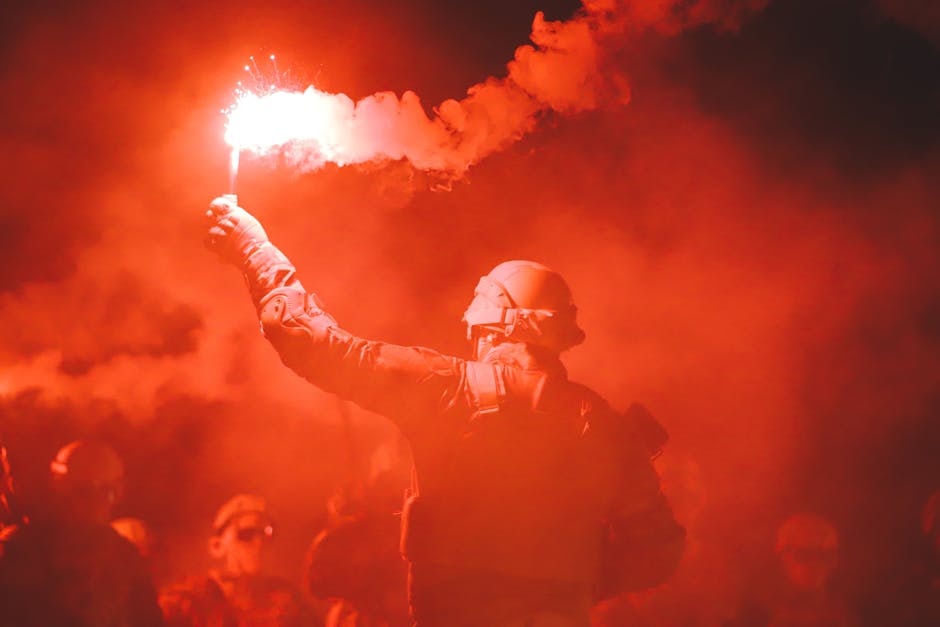
When the sun set, fire became the most reliable tool for transmitting critical information over long distances. Soldiers were stationed at predetermined, high-altitude lookout posts, equipped with prepared pyres of wood and brush. When the lookout at one point received a signal from their neighbor, they would immediately ignite their own fire, creating a chain reaction that could span hundreds of miles in just a few hours.
This method was primarily used to signal imminent danger or a request for immediate military assistance. Because lighting a fire was a significant effort, these beacons were often reserved for urgent messages. The brilliance of this approach lay in its simplicity and effectiveness; it required no complex technology, only disciplined soldiers and clear lines of sight.
The Versatility of Smoke Signals
During daylight hours, smoke signals offered a more versatile, albeit weather-dependent, way to communicate. By manipulating the fire with damp branches, wet grass, or specific types of fuel, soldiers could produce distinct types of smoke. This allowed for more than just a binary "yes or no" signal; it could convey specific details about the nature of the threat.
Advanced units utilized different colors, heights, and patterns of smoke to differentiate between types of enemies, the approximate size of a force, or even the direction of an enemy movement. These techniques required extensive training to ensure that the code was understood accurately down the line. When executed correctly, it was a highly effective way to relay complex updates across enemy lines or difficult terrain.
Harnessing Sound Across Vast Distances
While light and smoke were excellent for long-range, line-of-sight communication, sound was indispensable for closer coordination on the battlefield. Horns, drums, and even specialized whistles were used to command troop movements during the heat of combat. These acoustic signals were designed to be distinctive and loud enough to be heard over the chaos of clashing metal and shouting men.
Key acoustic methods included:
- War Drums: Used to set the pace of an advancing infantry line and boost morale.
- Blasting Horns: Utilized to signal a specific maneuver, such as a retreat, a flanking action, or a change in formation.
- Whistles: Employed by smaller units for rapid, short-range commands or to maintain stealth while moving through thick terrain.
Visual Codes and Mirrors
In regions where line-of-sight was excellent, such as the deserts of North Africa or the coastal regions of the Mediterranean, polished bronze or silver mirrors were utilized. By catching and directing sunlight, soldiers could send precise, rapid flashes to distant posts. This technique, sometimes called heliography, allowed for much higher-fidelity information transfer than fire or smoke.
This method was incredibly fast and could be used to send signals that were difficult for an enemy to intercept or understand if they did not know the code. However, it was entirely dependent on clear weather and the ability to maintain the mirror's alignment under pressure. Despite these limitations, it was a sophisticated technique that remained a crucial part of military logistics for centuries.
Overcoming Challenges in Ancient Communication
The success of these communication networks relied heavily on overcoming significant environmental and tactical obstacles. Inclement weather, such as heavy fog, rain, or thick dust storms, could render visual signals completely useless. To mitigate this risk, armies often employed redundant systems, using acoustic signals as a backup when visual methods were compromised by poor visibility.
Another major challenge was security, as an enemy might observe and mimic the signals to create confusion or lure troops into a trap. To counter this, commanders implemented complex coding schemes, changing signal patterns regularly and training only select personnel in the protocols. These measures ensured that even if a signal was intercepted, the message remained protected, demonstrating a sophisticated understanding of information security long before it became a formalized field.