How Artificial Intelligence Improves Personalized Medical Treatment Plans
Moving Beyond the One-Size-Fits-All Approach
Imagine walking into a doctor's office and receiving a treatment plan designed specifically for your unique genetic makeup, lifestyle, and history rather than a standard protocol. This vision is rapidly becoming a reality as artificial intelligence improves personalized medical treatment plans. Healthcare is shifting away from the old model of one-size-fits-all, promising a future where medicine is truly tailored to the individual.
Traditional medicine has long relied on clinical averages, which often operate on the assumption that what works for a large group of people will yield the same results for everyone. This method has been the backbone of medical progress, providing standardized protocols that have saved countless lives over the last century. However, this method frequently results in a frustrating journey of trial-and-error for patients whose specific circumstances do not fit the standard mold.
Patients often spend precious months cycling through different medications or therapies, waiting to see if anything actually alleviates their symptoms. This process is not just inefficient; it can be incredibly taxing on both the physical and emotional well-being of the individual. Moving toward a model where every medical intervention is precision-engineered for the individual is not just a technological dream, it is an urgent necessity in modern clinical care.
The Role of Data in Customizing Care
Today's healthcare environment is drowning in data, from massive electronic health records to complex genomic sequencing and the constant streams of information provided by wearable technology. For a busy physician, synthesizing all this disparate information to make a truly informed, individualized decision is functionally impossible. The sheer volume and variety of data are simply too vast for human cognition to handle within the tight timeframes of a clinical appointment.
This is exactly where machine learning algorithms become indispensable tools for modern practitioners. These systems are designed to digest massive datasets in seconds, correlating factors that no human would ever think to connect on their own. By integrating data points ranging from family history and lifestyle choices to molecular markers, technology creates a holistic portrait of the patient. This allows healthcare providers to see the full context of a patient's health rather than just a snapshot of their current symptoms.

How Artificial Intelligence Improves Personalized Medical Treatment Plans Through Predictive Analytics
Predictive analytics acts as a powerhouse in the rapidly evolving medical field. By analyzing a patient’s unique historical health data alongside broad, de-identified population health data, AI models can forecast how an individual is likely to respond to a particular treatment. This allows clinicians to bypass the standard, generic options and move straight to the therapies that have the highest probability of success for that specific patient.
This capability fundamentally changes the game by significantly reducing the time and resources spent on ineffective treatments. When a doctor can predict that a specific chemotherapy regimen or antidepressant is unlikely to work, they can pivot immediately to a superior alternative. This predictive power ensures that the path to wellness is as direct and efficient as possible, sparing patients from unnecessary interventions.
The key benefits of this technological shift in clinical settings are substantial and wide-ranging. Below are several ways this innovation is actively enhancing care for patients.
- Rapid analysis of massive datasets to find hidden clinical correlations.
- Higher diagnostic precision leading to faster, more accurate interventions.
- Substantial reduction in the time wasted on trial-and-error prescribing methods.
- Proactive, real-time health adjustments based on incoming patient data.
- Improved patient compliance due to better-tolerated, targeted treatments.
Enhancing Accuracy with Medical Imaging and Diagnostics
Medical imaging and diagnostics are undergoing a revolution, becoming sharper and more nuanced than ever before. AI systems trained on millions of images, from MRIs and CT scans to pathology slides, can now detect minute anomalies with remarkable consistency. These tools do not replace the radiologist, but they act as a high-powered second set of eyes that never gets tired.
This enhancement in accuracy helps confirm diagnoses much earlier than traditional methods might allow. When a serious condition is caught in its infancy, the range of treatment options is often broader and the prognosis significantly improved. By providing clinicians with objective, data-driven insights into diagnostic images, technology ensures that no subtle indicator of disease is overlooked, leading to significantly better outcomes for patients.

Optimizing Drug Discovery and Dosage
Developing new medications has historically been a notoriously slow, expensive, and high-risk process. It often takes over a decade to bring a drug from the lab to the pharmacy shelf, with high rates of failure during clinical trials. AI is accelerating this timeline dramatically by simulating molecular interactions in a digital environment. These models predict which chemical compounds will be most effective for specific genetic profiles, essentially narrowing the field of candidates before physical testing even begins.
Beyond drug discovery, intelligent systems are also refining how we determine dosages for individual patients. A dose that is safe for one person might be toxic or ineffective for another due to variations in metabolism or body composition. AI models integrate data to help doctors calculate the precise dosage needed for a specific patient. This level of precision minimizes side effects while maximizing the therapeutic benefit of every prescription written.
Real-Time Monitoring and Proactive Adjustments
The integration of wearable technology and remote sensing has opened a new frontier in patient management. Devices now continuously track critical vitals such as heart rate, blood glucose levels, oxygen saturation, and activity patterns. This constant stream of real-time data is fed into intelligent models that can identify concerning trends before they manifest as acute symptoms.
If the AI detects an irregularity, such as a sudden shift in blood sugar or a pattern that suggests a flare-up of a chronic condition, it can provide instant, automated alerts to both the patient and their healthcare provider. This shift from reactive to proactive monitoring ensures that adjustments to treatment plans can be made immediately, preventing complications before they escalate into an emergency. Patients are empowered to understand their health in real-time, fostering a more collaborative relationship between them and their clinical team.
The Future of Patient-Centric Healthcare
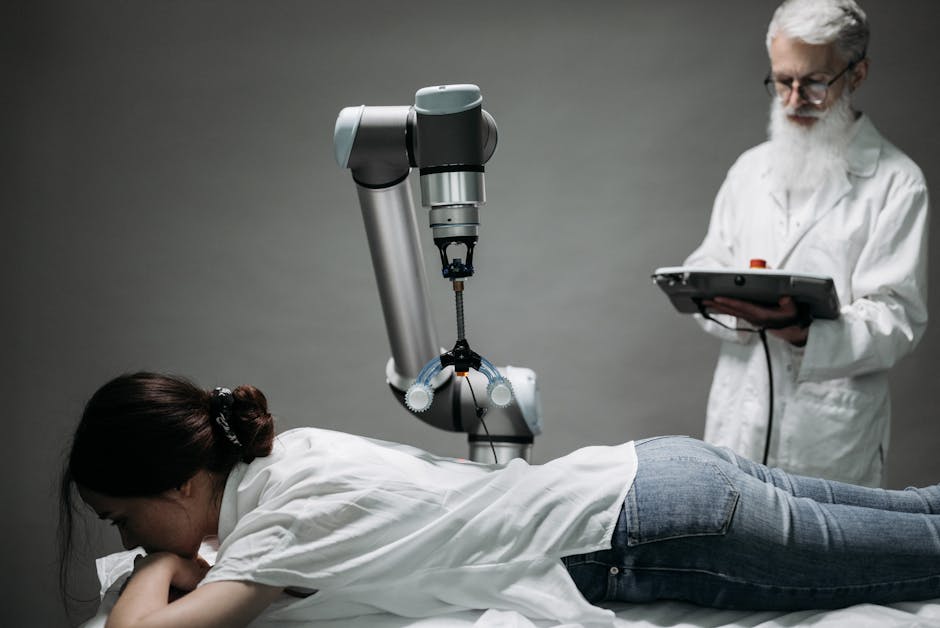
The shift toward truly personalized, technology-augmented care holds immense potential for every aspect of our healthcare system. As these digital tools continue to evolve and become more integrated, they will successfully bridge the gap between vast, complex health datasets and actionable, life-saving insights at the patient's bedside. The ability to tailor every step of a medical journey is transforming our expectations of what healthcare can achieve.
Patients can look forward to medical experiences that prioritize their unique needs, genetic history, and lifestyle factors. By embracing these advancements, we are moving toward a future where healthcare is more precise, efficient, and deeply human-centered. This transformation is set to redefine the standards of care, ultimately leading to healthier communities and a vastly improved quality of life for individuals around the globe.