How Logistics And Supply Chains Worked For Ancient Imperial Armies
The Essential Logistics of Ancient Imperial Armies
When you read about the great conquerors of history, the focus often lands on the bravery of the soldiers or the tactical genius of the generals. Yet, the real unsung heroes were the logistics officers who managed the supply chains for ancient imperial armies. Without a constant flow of food, water, and equipment, even the most formidable force would quickly crumble into nothing more than a hungry, immobile mob.
Planning for thousands of troops required a deep understanding of geography and resource availability. Commanders had to anticipate not just the battles ahead but the daily caloric intake of their soldiers and their animals. It was a massive balancing act, where the failure to secure a single grain shipment could spell disaster for an entire campaign.
Roads as the Lifeblood of Ancient Imperial Armies
The expansive road networks were the true arteries of these empires. While many view them as monuments to power, they were primarily built to ensure the rapid movement of ancient imperial armies and their massive baggage trains. These well-engineered paths allowed for consistent travel times, regardless of the weather, which was essential for maintaining a predictable supply schedule.
Beyond speed, these roads acted as conduits for critical communication. Riders could carry messages from the front back to the capital, ensuring that the supply chain stayed synchronized with the changing needs of the field army. A reliable road network effectively halved the distance between the source of supplies and the troops, transforming how wars were fought.
Foraging versus Pre-planned Supply Lines
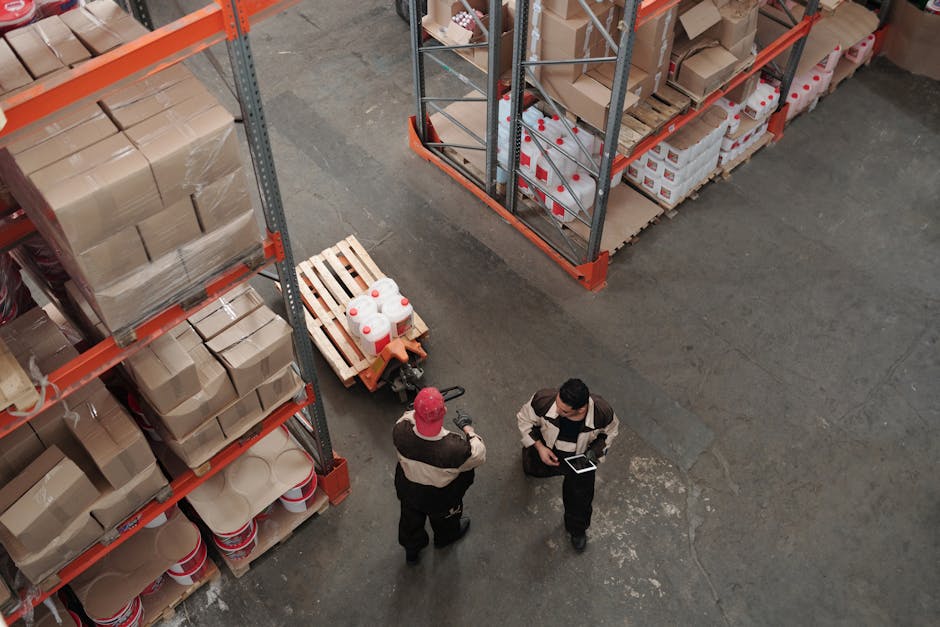
Relying solely on supply trains was rarely feasible due to the immense weight of provisions. Instead, commanders often relied on a mix of pre-planned supply dumps and aggressive foraging to sustain their troops. This approach meant that armies were constantly searching for local resources, which sometimes led to scorched-earth tactics by the retreating enemy.
This reliance on the land created a highly mobile, yet vulnerable, logistical footprint. If the terrain was barren or the local population was hostile, the supply chain would immediately feel the pressure. Commanders, therefore, had to calculate exactly when to pause and gather supplies versus when to push forward to maintain the momentum of the invasion.
The Role of Pack Animals and Transport
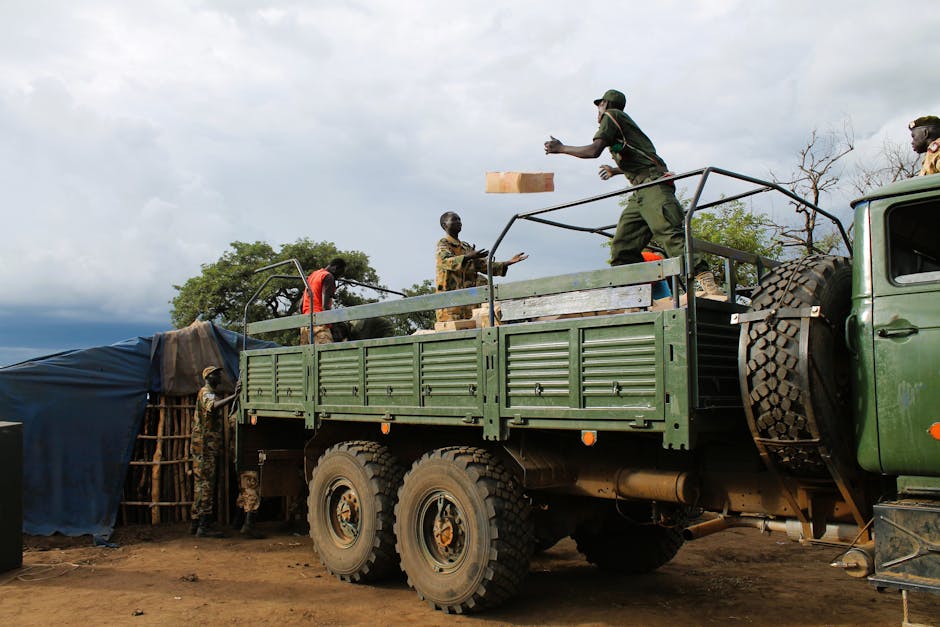
Moving supplies was not just about the wagons; it was heavily dependent on a variety of draft animals. Mules, horses, camels, and oxen were the workhorses of the ancient world, each suited to different terrains and climates. Without these animals, the logistics of these massive military forces would have been restricted to riverbanks and well-paved coastal routes.
The sheer number of animals required created its own logistical challenge: they also needed to be fed. A large baggage train often consumed a significant portion of the supplies it was transporting, which limited how long an army could operate away from its base. Logistics planners had to meticulously calculate the point of diminishing returns where adding more pack animals actually decreased the army's overall range.
Sustaining Specialized Weaponry and Equipment
Keeping an army armed was a challenge of skilled craftsmanship and efficient supply depots. Soldiers had to maintain their own gear, but replacing broken shields, armor, or siege engines required a steady pipeline of raw materials and skilled artisans accompanying the camp. This logistical tail was often the reason why campaigns were strictly seasonal, as the logistics of maintaining such specialized equipment was nearly impossible during the harsh winter months.
Artisans and engineers were essential components of the baggage train. They were not just repairing existing weapons; they were often constructing siege engines on the fly, tailoring them to the specific fortifications they encountered. The ability to source wood, iron, and leather while on the march was a hallmark of the most successful ancient military campaigns.
Mastering Information Flow and Command
The speed of an army was ultimately limited by the speed of its intelligence. Logistics officers needed accurate reports on the location of enemy forces, the condition of upcoming roads, and the status of local harvests. Signal towers, courier systems, and scout networks provided this information, allowing the command to adjust their supply requirements in near real-time.
If a supply dump was captured or a bridge was destroyed, the army needed to know immediately to reroute its baggage train. Delays in this information flow could cause a massive stockpile of supplies to sit idle, wasting resources that the army desperately needed elsewhere. The integration of intelligence and logistics was perhaps the most sophisticated element of managing these massive forces.

Lessons for Modern Logistics from the Past
The core principles that governed the movements of these armies remain surprisingly relevant today. Even in the age of advanced technology, the fundamental bottleneck remains the same: the friction of moving resources from one point to another. Studying these ancient methods provides a clearer perspective on the logistical challenges of modern operations, where complexity has increased, but the basic need for efficiency and anticipation has not changed.
We can take away several key insights from how these empires operated their supply chains:
- Redundancy: Always maintain multiple sources of supply to mitigate the risk of a single point of failure.
- Mobility: The speed of an army is only as fast as its slowest supply wagon.
- Anticipation: Success depends on predicting needs before they become critical shortages.
- Integration: Logistics must be at the table when planning strategy, not treated as an afterthought.