How To Choose The Right Smartphone Camera For Travel Photography
Finding Your Perfect Travel Companion
Traveling allows us to collect memories that last a lifetime, and having a reliable way to capture those moments is essential. Whether you are exploring bustling city markets or hiking serene mountain trails, your phone is likely the primary tool you will use for photography. Knowing how to choose the right smartphone camera for travel photography is a critical step in ensuring your vacation photos look stunning and professional.
Many travelers find themselves overwhelmed by the sheer number of options available on the market today. Between competing brands and rapidly evolving technology, it can be difficult to decide which device suits your personal needs. By focusing on a few core features, you can easily filter through the noise and find a device that turns every trip into a portfolio of breathtaking images.
Understanding Your Unique Travel Style
Before you start comparing camera specifications, you must first define what kind of photography you enjoy most during your travels. Are you the type of traveler who spends hours framing the perfect landscape shot, or do you prefer candid street photography and portraits of locals? Understanding your preferences helps determine whether you need high-end zoom capabilities or faster shutter speeds.
Think about the environments you visit most frequently and the subjects that catch your eye. Someone who loves photographing grand architectural details will have different requirements than someone who focuses on wildlife or action shots. Identifying these patterns early makes the selection process significantly easier and more tailored to your actual habits.
Diving Into Smartphone Camera Specifications
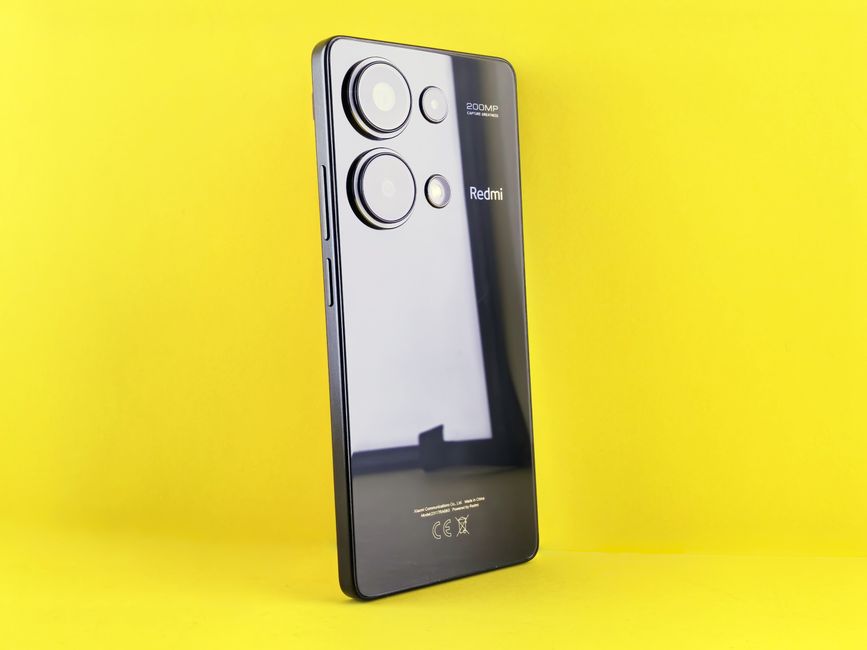
It is easy to get caught up in the hype of massive megapixel counts, but there is far more to a high-quality camera than just raw numbers. While higher resolution can offer more detail for cropping, the quality of the sensor often matters more for overall clarity. Look closely at the hardware capabilities to understand how they will hold up in real-world scenarios.
Advanced sensor technology allows for better light intake, which is vital when you are out shooting in challenging conditions. Pay attention to reviews that discuss how a specific phone handles dynamic range and color accuracy. These technical factors often determine whether an image looks crisp and professional or grainy and washed out.
Mastering Lens Versatility for Landscapes and Portraits
A versatile lens system is perhaps the most important component when you are on the road and cannot carry multiple pieces of professional equipment. Most modern smartphones now feature a triple-lens setup, offering wide-angle, ultra-wide, and telephoto options to handle different subjects. Having this flexibility is crucial for adapting to whatever scene you encounter unexpectedly.
The ability to switch lenses quickly allows you to capture a sweeping mountain panorama one moment and a close-up portrait of a local artisan the next. When assessing your options, consider the following key focal length types to ensure you have complete coverage for all your adventures:
- Ultra-wide lens: Perfect for capturing vast landscapes, architectural interiors, and tight city spaces where you cannot back up further.
- Main wide lens: The workhorse for most everyday shots, offering high-quality performance in various lighting conditions.
- Telephoto lens: Essential for zooming in on distant subjects, compressing perspective for better portraits, and capturing details without physically approaching.
How to Choose the Right Smartphone Camera for Travel Photography Based on Software
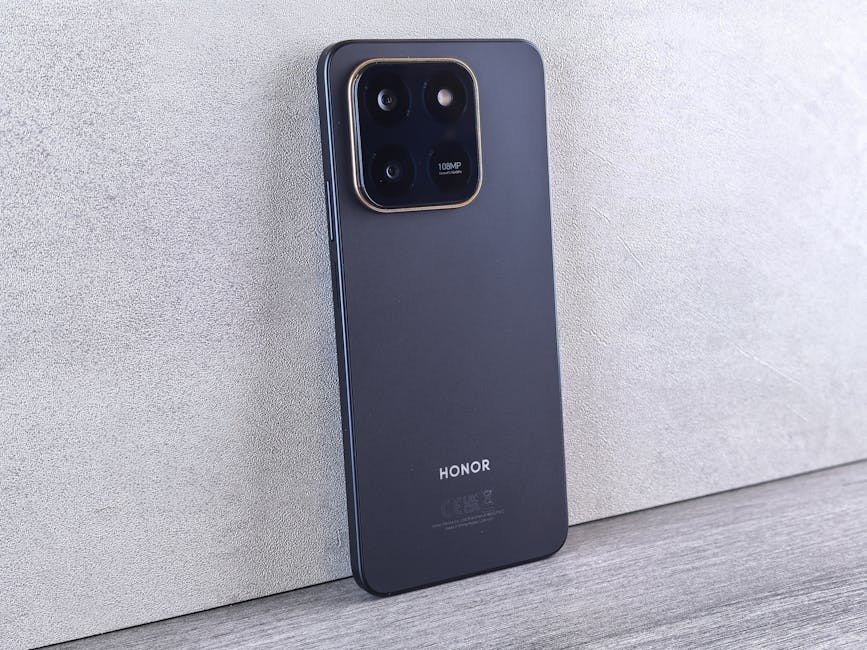
Hardware provides the foundation, but advanced software processing is what truly makes a smartphone camera shine in modern travel photography. Manufacturers invest heavily in computational photography, which uses artificial intelligence to fix exposure issues, improve color balance, and enhance detail automatically. The best devices take multiple images at different exposures and blend them into a single, high-quality photograph.
Look for devices that excel in HDR performance, which is essential when shooting scenes with high contrast, such as a bright sky behind a shaded monument. Strong software support often includes intelligent scene detection that automatically adjusts settings based on whether you are photographing food, sunsets, or people. This level of automation means you spend less time editing and more time enjoying your journey.
Assessing Low Light Performance and Sensor Quality
Some of the most memorable travel experiences happen after the sun goes down, but this is also the most challenging time to take photos. Excellent low-light performance is a hallmark of a top-tier travel smartphone camera. You want a device that can manage noise effectively, ensuring that your evening shots of city skylines are clear and vibrant rather than murky and dark.
Larger sensors generally perform better in dim environments because they can physically capture more light. Check for dedicated night modes in the software, as these features have revolutionized how smartphones handle darkness. A phone that maintains color accuracy even in low light will make a massive difference in the quality of your evening travel memories.

Considering Practicality and Storage Needs
Even the most advanced camera is useless if you run out of battery or storage space in the middle of a once-in-a-lifetime experience. When traveling, power management and internal capacity are just as important as the lens quality. Ensure the device you choose has an efficient battery that lasts through long days of exploring and shooting photos.
High-resolution photos and 4K videos quickly consume internal storage, so opting for a device with a large capacity or cloud integration is necessary. Think about your workflow while traveling; will you need to upload photos to the cloud frequently, or do you prefer to keep everything on the device until you return home? Your storage strategy directly influences the camera settings you can use comfortably.
Balancing Features with Portability
Ultimately, the best camera for travel photography is the one that you actually have with you at all times. A bulky, heavy device might offer slightly better features but may become a burden during long walking tours or strenuous excursions. Find the sweet spot where the camera quality meets your requirements for size, weight, and comfort in your pocket or bag.
Remember that you are choosing a smartphone first, meaning it needs to be practical for daily use beyond just taking pictures. A well-balanced device provides professional-grade results without compromising your ability to travel light and move freely. Trust your instincts on what feels right in your hand, as the most comfortable camera is always the one you will use most often.