How Wartime Synthetic Materials Became Essential In Modern Fashion Design
From the Battlefield to the Runway
When you look at your favorite athletic leggings or that sleek, water-resistant windbreaker hanging in your closet, you are looking at the direct descendants of mid-twentieth-century ingenuity. While we often think of fashion as a pursuit of pure aesthetics, the evolution of our modern wardrobe is deeply rooted in industrial necessity. The rapid development of wartime synthetic materials changed how we dress forever, bridging the gap between extreme tactical requirements and the everyday comfort we now take for granted.
During global conflicts, traditional textile supplies were cut off or rationed, leaving engineers with no choice but to innovate under pressure. This created a lasting ripple effect that fundamentally altered the fabric of society, quite literally. What began as an urgent solution for military survival transformed into the backbone of contemporary textile manufacturing.
Necessity Breeds Unprecedented Innovation
The middle of the twentieth century was a period of severe scarcity for natural fibers like silk, wool, and cotton. Governments and military planners needed gear that was stronger, lighter, and more resistant to harsh conditions than anything previously available. This desperation forced scientists to push the boundaries of polymer chemistry to create high-performance alternatives.
The result was a wave of ingenuity that prioritized function above all else. This focus on performance—emphasizing durability, quick-drying properties, and versatility—laid the groundwork for the modern obsession with functional apparel. The shift from natural, fragile fibers to synthetic, engineered textiles marked the most significant turning point in the history of clothing.

The Shift from Silk to Parachutes
Perhaps the most famous example of this transition is the invention and rapid deployment of Nylon. Originally developed just before the outbreak of major hostilities, it became the premier replacement for silk, which was essential for manufacturing parachutes and other military equipment. When nylon was redirected entirely to the war effort, civilians faced massive shortages of hosiery and luxury garments.
This forced scarcity made the eventual postwar return of nylon to the consumer market feel like a true revolution. Women rushed to buy nylon stockings, and fashion designers immediately recognized the potential of this new, incredibly strong, and elastic fiber. It wasn't just a substitute; it was an upgrade in terms of wearability and longevity.
How Wartime Synthetic Materials Changed Everyday Style
The integration of these new fabrics into civilian fashion was not just about utility; it completely changed the silhouette and possibilities of design. Designers were suddenly free from the limitations of natural fibers, which could be heavy, slow to dry, or prone to shrinking. The adoption of wartime synthetic materials allowed for new shapes, bold textures, and garments that held their form over time.
This transition democratized fashion in ways that hadn't been possible before the war. Because these synthetics could be mass-produced with consistent quality, stylish and functional clothing became affordable for a much broader segment of the population. Some of the lasting impacts include:
- The mainstreaming of easy-care clothing that required less ironing and maintenance.
- The birth of high-performance sportswear that could withstand rigorous movement.
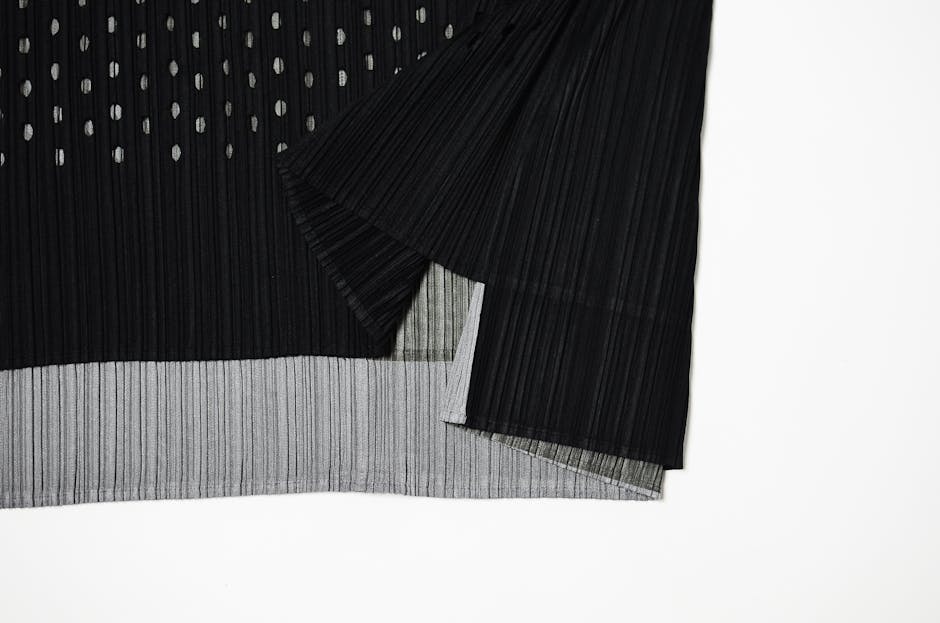
- Increased design flexibility, enabling more intricate cuts and pleated designs that kept their shape.
- Improved affordability of high-fashion looks for the everyday consumer.

The Durability Revolution
One of the primary reasons these materials became so essential is their unparalleled durability. Synthetic polymers were engineered to resist rot, mildew, and wear in ways that natural cotton or linen simply could not. For a military in the field, this meant equipment that lasted longer, but for the fashion industry, it meant clothing that retained its shape and color through repeated washing.
This durability set a new standard for what consumers expected from their purchases. The idea of clothes being long-lasting, reliable, and practically indestructible became a hallmark of the new industrial fashion era. Today, we still prioritize these qualities, even in casual or fast-fashion contexts.
Beyond Nylon: The Legacy of Acrylics and Polyesters
While nylon is the most recognizable name, the wartime effort accelerated the development of a broader range of synthetic fibers. Acrylic, for example, was developed as a versatile, synthetic alternative to wool, offering similar warmth while being significantly easier to clean and resistant to moths. Polyester, though its popularity peaked slightly later, was also built upon the foundational knowledge gained during this intense period of chemical research.
These fibers offered designers a toolkit of varying properties—from moisture-wicking capabilities to intense heat-set pleating—that natural fibers could not match. By combining these materials, textile engineers could create "blends" that offered the best of both worlds, such as the comfort of cotton paired with the wrinkle resistance of polyester. This practice of blending became the industry standard and remains prevalent in almost every clothing store today.
Modern Fashion and the Science of Comfort
The DNA of these historical materials is present in nearly every item of modern performance clothing. When you wear a high-tech athletic shirt, you are benefiting from decades of refinement that began with the desire to make lightweight, quick-drying gear for soldiers. The core principles of moisture management, thermal regulation, and structural integrity are all direct evolutions of that initial wartime innovation.
Fashion designers now collaborate closely with material scientists to create fabrics that respond to the wearer’s body. We have moved from simply replacing natural materials to actively engineering new ones that offer functionalities once considered futuristic. The initial push for utility has evolved into a sophisticated science of personal comfort and environmental adaptation.
The Future of Synthetic Textile Engineering
Today, the industry faces a new set of challenges that look very different from the mid-twentieth century. While the focus during wartime was on creating materials that could survive extreme conditions, the modern focus is shifting toward sustainability and circularity. We are learning that the durability that made these materials so successful is the same trait that makes them difficult to recycle or decompose.
The next generation of textile engineering is working to replicate the performance benefits of synthetic fibers while using bio-based polymers or improved recycling technologies. The goal is to retain the functional brilliance of those foundational inventions while reducing their environmental footprint. The legacy of those early materials remains essential, serving as the blueprint for how we will continue to innovate the clothes we wear for decades to come.