The Evolution Of Body Armor For Modern Infantry In Combat
From Heavy Metal to High-Tech Ceramics
Soldiers on the front lines have always needed protection, but the gear they carry today looks nothing like the armor of the past. Understanding the evolution of body armor for modern infantry reveals a fast-paced journey from heavy metal plating to advanced, lightweight composites. This transformation hasn't just changed how soldiers look, it has fundamentally changed how they fight and survive on the battlefield.
In decades gone by, armor was primarily about stopping heavy caliber rounds and shrapnel with solid steel. While effective, this approach severely limited a soldier’s agility and stamina over long missions. Engineers and military planners recognized that the path forward required materials that could absorb kinetic energy without weighing the user down.
Early Attempts at Personal Defense
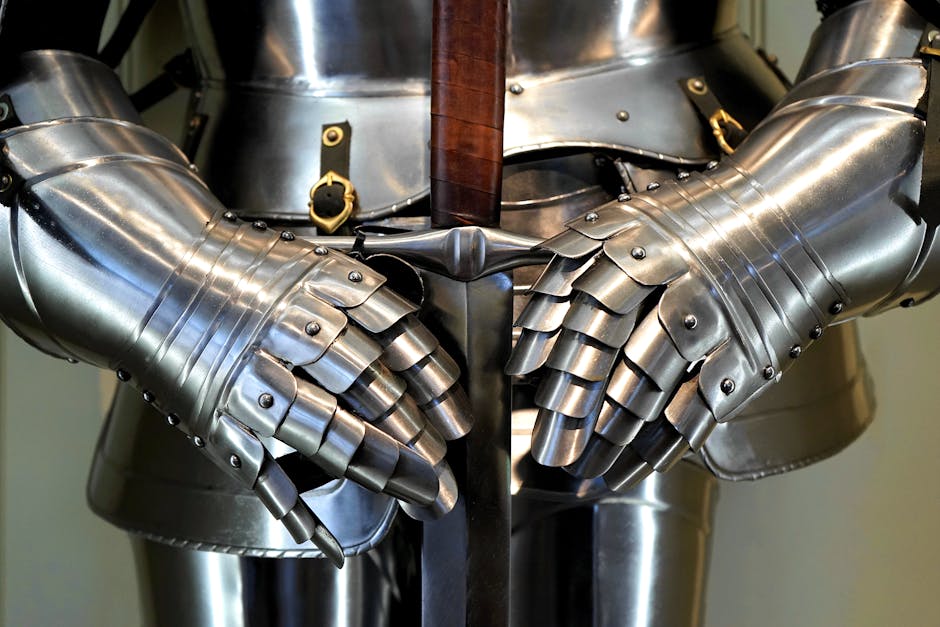
The early iterations of wearable defense focused on thick, bulky plates that were often impractical for sustained combat operations. Steel was the go-to material because it was widely available and relatively easy to shape, yet it lacked the sophisticated ballistic capabilities needed for modern threats.
These early systems were often rigid, causing significant discomfort and restricted movement for those wearing them. Despite these limitations, they established the basic concept of layering protection over vital areas. This rudimentary beginning set the stage for later, more effective developments in defensive technology.

The Shift Toward Lightweight Materials
A massive leap forward occurred with the introduction of synthetic fibers like Kevlar, which changed the game entirely. These materials were incredibly strong relative to their weight, offering protection against projectiles that would have easily penetrated earlier iterations.
This breakthrough allowed for vests that were much more comfortable, breathable, and flexible than their metal predecessors. Soldiers could finally maneuver more effectively, carry more ammunition, and stay in the fight longer without being physically drained by their own gear.
Understanding the Evolution of Body Armor for Modern Infantry
Today, the armor is rarely just a single piece of material, but rather a complex system designed to address a variety of battlefield hazards. The focus has shifted toward high-strength ceramic plates that are integrated into modular tactical vests, providing a much higher level of protection against high-velocity rifle threats.
The key to this advancement is the synergy between the soft ballistic layers and the hard, ceramic-composite plates. This layered defense works by deforming the projectile while the ceramic shatters on impact, effectively dissipating kinetic energy across a larger surface area to prevent life-threatening injuries.
Balancing Protection and Mobility
Finding the perfect balance between keeping a soldier safe and allowing them to move freely is the greatest challenge in modern armor design. Adding more protection inevitably increases weight, which reduces speed and endurance in challenging terrain.
Engineers now focus on high-impact zones, ensuring that critical organs are protected while maintaining mobility in the limbs and joints. This strategic approach ensures that soldiers remain capable of performing complex physical tasks while under fire. Several factors are considered when designing these systems:
- The weight of individual ceramic plates versus the level of protection provided
- Total ergonomic coverage to prevent gaps in protection during movement
- Compatibility with other equipment like radio systems, hydration packs, and ammunition pouches
The Modular Approach to Combat Gear
Modern combat requires versatility, leading to the adoption of highly modular systems that allow soldiers to tailor their loadout based on the specific mission. This means they can remove or add protection, pouches, and accessories depending on whether they are in a vehicle, on foot, or conducting a specialized operation.
This modularity also means that damaged components can be easily replaced in the field, extending the operational life of the equipment. It ensures that the armor remains relevant and adaptable even as combat environments change rapidly. The goal is to provide maximum functionality without adding unnecessary bulk.
Future Innovations on the Horizon
Researchers are currently testing materials that go far beyond our current understanding of protective fibers and ceramics. These include advanced nanotechnology and non-Newtonian fluids that are flexible under normal conditions but harden instantly upon high-velocity impact.
These developments could potentially lead to armor that is virtually weightless, giving soldiers unprecedented levels of safety without sacrificing any mobility. As technology continues to advance, the next phase in this defensive evolution will likely blur the line between clothing and combat protection, offering seamless, full-body safety that will redefine the future of infantry engagement.