What We Can Learn From Ancient Military Training And Discipline
The Timeless Value of Rigorous Preparation
When we look back at history, the stories of legendary armies often feel distant and irrelevant to our daily lives. However, digging deeper into their methods reveals that ancient military training and discipline offer surprisingly practical lessons for personal and professional success. These cultures understood that greatness was never accidental; it was the direct result of deliberate habits and an unwavering commitment to excellence.
It is easy to romanticize the battlefield heroics of the past, but the real power lay in what happened before the combat ever began. By studying how these societies prepared their soldiers, we can uncover strategies to improve our own focus and resilience. Embracing these principles allows us to navigate modern challenges with greater clarity, strength, and intentionality.
Applying Ancient Military Training and Discipline Today
Modern success often feels chaotic, but it thrives on structure and clear objectives. The soldiers of antiquity knew that without a defined purpose and the internal strength to pursue it, individual efforts quickly dissipated. Adopting this structured mindset helps us cut through distractions and commit to the tasks that truly move the needle.
We often seek quick fixes or immediate results, while history teaches us that profound change takes time. By breaking down complex goals into smaller, manageable steps, we mirror the incremental progress championed by elite historical forces. This approach turns overwhelming aspirations into a series of achievable, daily actions.

The Art of Repetition and Skill Mastery
The core of military effectiveness in the ancient world was not flashiness, but mastery of the basics. Soldiers drilled the same movements thousands of times, ensuring their actions became automatic under the immense pressure of combat. This level of repetition builds deep competence that holds up even when adrenaline is high and thinking becomes difficult.
We can apply this by identifying the fundamental skills essential to our work and practicing them consistently. True mastery comes from showing up to refine the core elements of our craft, even when it feels monotonous or repetitive. Those who are willing to embrace the boredom of perfection are almost always the ones who achieve the highest levels of performance.
Cultivating Unshakeable Mental Resilience
Mental toughness was a prerequisite for survival in the ancient world, often fostered through extreme environments. These warriors trained their minds to remain calm and focused, despite fatigue, hunger, or external chaos. This ability to regulate emotions and maintain perspective is just as critical in our fast-paced environment.
To cultivate similar resilience, consider these strategies:
- Actively seek out challenging situations to test your limits.
- Practice maintaining calm breathing during high-stress moments.
- Frame obstacles as opportunities to sharpen your resolve rather than as signs of failure.
- Develop a clear vision of your "why" to provide stability during difficult times.
Building Cohesion Through Shared Challenges
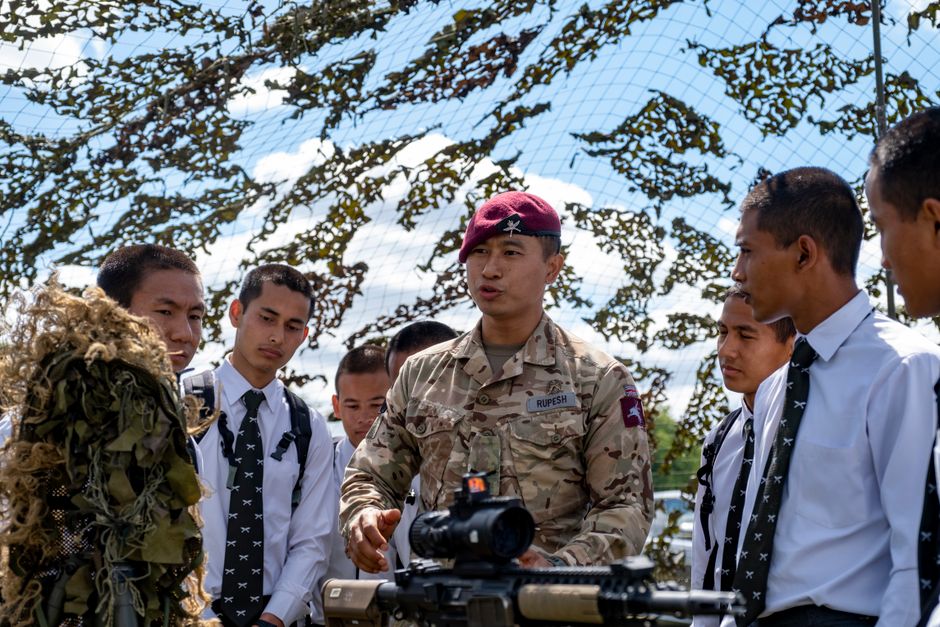
No ancient soldier fought as an isolated individual; their power stemmed from the seamless coordination of the unit. They spent months training, eating, and living together, forging bonds that transcended personal preference. This deep sense of camaraderie and shared accountability turned a group of people into an unstoppable force.
In our own lives, we achieve significantly more when we operate within a supportive community or high-performing team. Building this kind of cohesion requires vulnerability, clear communication, and a shared commitment to the success of others. Prioritizing these relationships creates a foundation of support that makes everyone stronger.
Strategic Adaptability and Flexible Thinking
The most successful commanders in history were not those who blindly followed a rigid plan, but those who could adapt quickly when circumstances shifted. They were masters of observation, constantly analyzing the terrain, their opponents, and their own capabilities. This flexibility allowed them to pivot instantly, turning potential disasters into advantageous positions.
We are constantly faced with unexpected changes, whether in our careers or personal lives. Instead of resisting these shifts, we should train ourselves to assess new information and recalibrate our strategies without panic. The ability to remain fluid while staying focused on the ultimate goal is a powerful differentiator.
The Foundation of Logistics and Planning
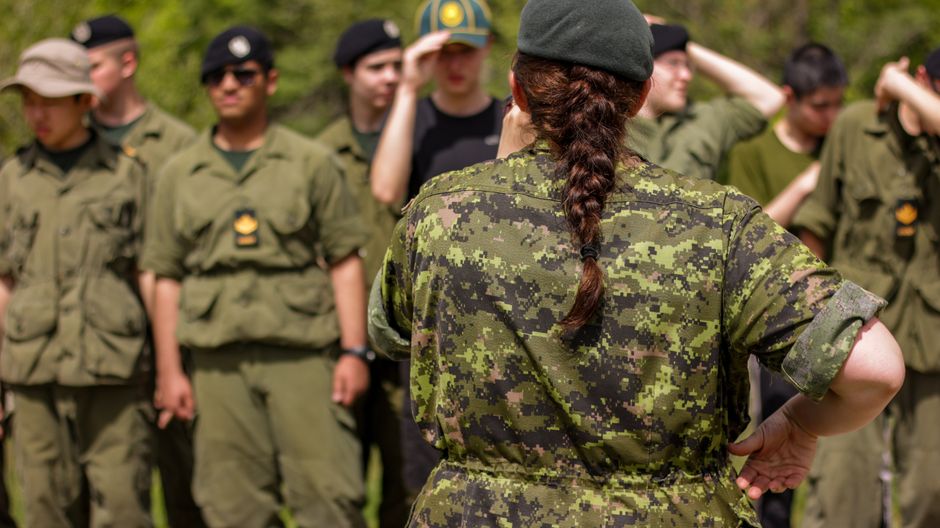
While legends focus on combat, the secret to the longevity of powerful empires was often their logistical genius. From the Romans to the Macedonians, these cultures understood that battles were won by supply lines, preparation, and anticipation of future needs. They never left their success to chance, ensuring they were ready for any contingency.
Success in any endeavor is heavily dependent on preparation and the management of resources. By proactively planning for obstacles and ensuring we have the necessary tools before starting, we drastically increase our chances of success. It is the boring, behind-the-scenes work that ultimately makes the most brilliant achievements possible.
Mastering the Internal Battlefield
Ultimately, the most important conquest is the one that happens within ourselves. Ancient philosophies, which heavily influenced military life, taught that our external environment is secondary to our internal state. Developing self-mastery allows us to remain grounded, regardless of the successes or setbacks we encounter along the way.
By consistently applying the lessons of discipline, focus, and resilience, we gradually become the architects of our own character. This proactive approach transforms how we interact with the world, turning us from reactive participants into intentional leaders of our own lives. The journey toward excellence is long, but the tools provided by history are time-tested and remarkably effective.