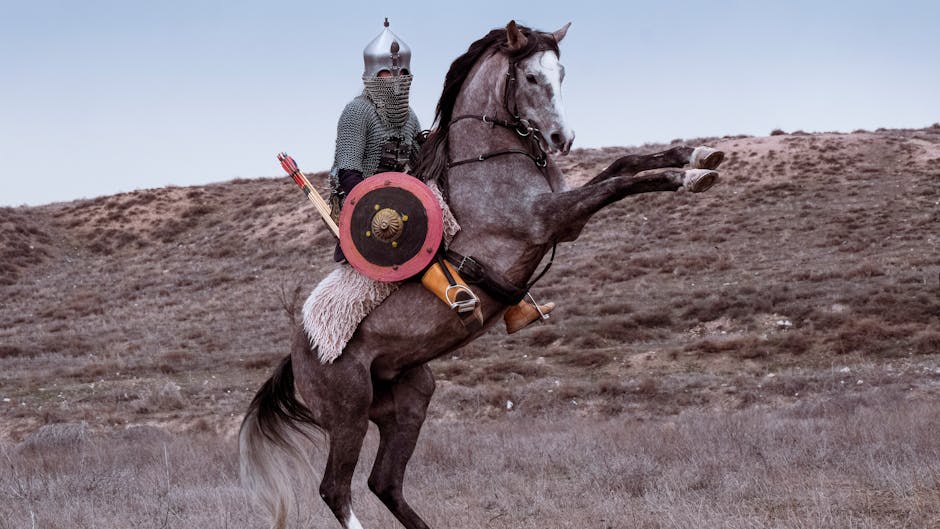
Why Horse Archers Were The Greatest Threat To Settled Civilizations
The Unrivaled Power of Steppe Mobility
Throughout history, the clash between nomadic societies and established empires has defined the fate of continents. While many forces have shaped global power, it is widely recognized by historians that horse archers were the greatest threat to settled civilizations. These highly skilled riders fundamentally altered how warfare was conducted across the vast plains of Eurasia.
The secret to their success was not just their ability to shoot accurately, but their unparalleled mobility that defied traditional battlefield tactics. Settled states, which were accustomed to static armies and fortified positions, were completely unprepared for an enemy that refused to engage in a predictable manner. This dynamic shift in power changed the course of human history in ways that still fascinate scholars today.
Their lifestyle on the open steppe demanded constant movement, and their military prowess was an extension of this daily life. Unlike soldiers from agrarian societies who trained for battle specifically, these riders were warriors from birth. They possessed an instinctual understanding of their horses and their weapons, making them the ultimate hybrid combat unit for their time.
When Horse Archers Were the Greatest Threat to Settled Civilizations
The threat posed by nomadic horse archers wasn't limited to a single century or region, as they repeatedly brought great empires to their knees. Whether it was the Huns, the Mongols, or the Parthians, these groups leveraged the same inherent advantages to challenge the established order. Each of these civilizations had to completely rethink their defensive strategies just to survive.
For a settled empire, the arrival of a horse archer army was less like a conventional war and more like a natural disaster. There was no "front line" to defend because these archers could strike from any direction, at any time, and retreat before any meaningful resistance could be mounted. This uncertainty exhausted armies that relied on rigid formations and supply lines.
The ability to sustain a high-intensity offensive without a large support network allowed these riders to operate in environments that would destroy a standard infantry army. They moved faster than messages could be sent, ensuring that by the time a commander knew they were under attack, the enemy was already at the gates. This mastery of speed and timing was the hallmark of their dominance.

Tactics That Broke Empires
The tactical genius of the horse archer lay in their mastery of the feigned retreat, a technique that constantly lured disciplined armies into traps. By appearing to flee in panic, they would draw their opponents out of defensive positions or away from protective terrain. Once the enemy line became disorganized during the pursuit, the riders would suddenly turn and unleash a devastating volley of arrows.
Beyond the feigned retreat, these warriors utilized a variety of highly effective combat strategies to maximize their efficiency and minimize their risks. These tactics included:
- Harassment: Constantly attacking the enemy perimeter to drain their stamina and patience without ever engaging in a full-scale battle.
- Encirclement: Using their superior speed to surround a slow-moving force, forcing them into a vulnerable, compressed formation.
- The Parthian Shot: Shooting arrows with lethal accuracy while riding away from the enemy, effectively turning their retreat into an offensive maneuver.
The Psychological Warfare of the Nomads
It is difficult to overestimate the sheer terror that a massive force of horse archers instilled in the hearts of soldiers from settled, agricultural communities. These soldiers were often peasants forced into service, and facing an opponent who seemed almost supernatural in their speed and precision was mentally paralyzing. The fear wasn't just physical; it was an existential dread of an enemy that defied all known rules of engagement.
This psychological impact was often just as damaging to an empire as the military defeat itself. When soldiers believe they are fighting an invincible, phantom-like foe, discipline quickly crumbles. Cities often surrendered without a fight, not because they lacked the resources to hold, but because their leaders recognized that their conventional forces were utterly useless against such an unconventional threat.
Nomadic leaders frequently exploited this fear, using it as a tool to gain control without having to destroy a city entirely. By demonstrating their military superiority once, they could leverage the threat of return to extort tribute or secure political concessions. Their reputation often preceded them, turning their mere presence into a powerful weapon of diplomacy.
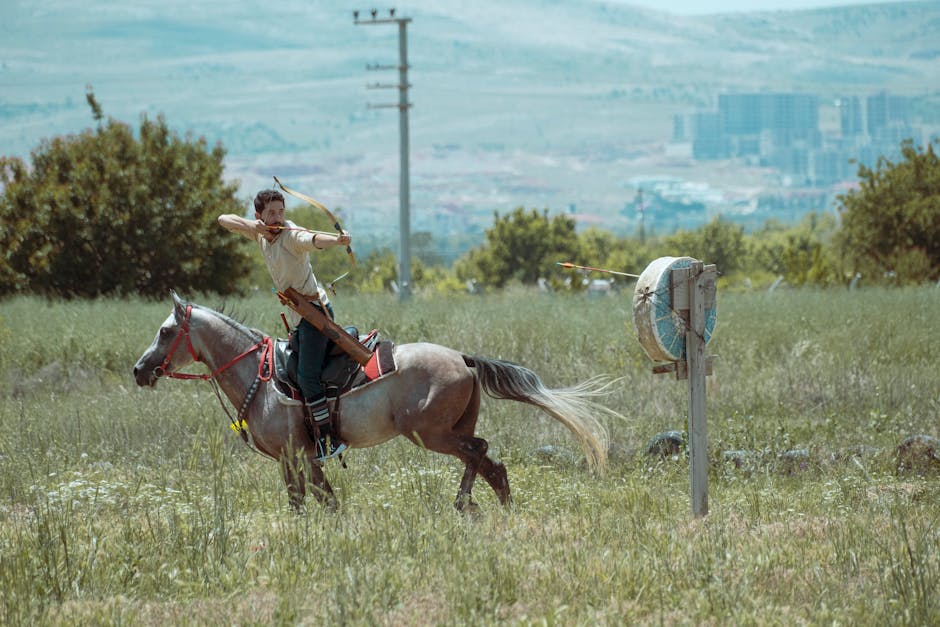
Why Traditional Armies Could Not Adapt
Settled civilizations relied heavily on infantry and heavy cavalry, both of which required significant time, resources, and infrastructure to maintain. These armies needed slow supply trains filled with food, weapons, and equipment, which anchored them to specific routes and terrain. This dependency made them easy targets for horse archers who could simply avoid the main body and strike the vulnerable supply lines.
Attempts to create specialized anti-nomad units often failed because they sacrificed the very strengths that made settled armies successful. For instance, light cavalry that tried to match the speed of the horse archers often lacked the necessary training and archery skills to be truly effective in combat. Conversely, reinforcing the heavy infantry made them even slower, further increasing the tactical gap between the two sides.
The rigid hierarchical structure of imperial armies also hindered their ability to adapt quickly to the fluid nature of steppe warfare. Commanders were trained in strategies suited for structured combat, not for chasing down nimble, independent-minded riders. This cultural and organizational inertia ensured that they were always fighting the last war rather than preparing for the reality on the ground.
The Lasting Impact on Global History
The repeated successes of horse archers forced settled empires to undergo massive, painful transformations in their military and administrative structures. Some states, like the Byzantine Empire, were forced to adopt similar tactics, integrating light, highly mobile cavalry into their own armies to compete. This was not a change they embraced willingly, but a desperate adaptation required for survival against an relentless foe.
These conflicts also accelerated the development of new military technologies, such as advanced composite bows, which were essential for effective horse archery. The spread of these technologies, along with the horses themselves, was often a direct byproduct of the intense interaction between these two very different worlds. The influence of these nomadic warriors extended far beyond the battlefield, shaping trade routes and diplomatic relationships for centuries.
The era of the horse archer eventually faded as firearms and artillery revolutionized warfare, rendering their tactical advantages obsolete. However, their impact on the development of states, military tactics, and even global borders remains a testament to their influence. Understanding this period is crucial for anyone looking to understand how settled civilizations were pushed to their limits by the untamed forces of the steppe.