The Best Ancient Armor Designs And Their Impact On Survival
Analyzing the Best Ancient Armor Designs for Battle Survival
Throughout history, the quest for survival on the battlefield drove remarkable engineering innovations. Warriors needed gear that could reliably deflect lethal blows, turning potential tragedies into survivable encounters. By exploring the best ancient armor designs, we gain insight into how early civilizations solved the complex problem of balancing protection with mobility.
The evolution of defensive gear was never just about adding more metal to the body. It required a deep understanding of materials, metallurgy, and the specific threats faced by soldiers in different environments. These designs were not just practical; they represent the pinnacle of military ingenuity from their respective eras.
The Ingenuity Behind Early Scale Armor
Scale armor is one of the oldest forms of protection, utilizing small, overlapping plates of bronze or iron secured to a fabric or leather backing. This configuration was revolutionary because it allowed for a surprising degree of flexibility that solid breastplates lacked. A warrior could bend, twist, and strike without feeling restricted by their own defense.
The primary advantage of scale armor was its ability to dissipate the force of a weapon’s strike across a larger area. By forcing the blow to catch the edge of a scale rather than a flat surface, the gear prevented piercing injuries that would otherwise be fatal. This design choice saved countless lives during the intense close-quarters combat of the Bronze Age.
Even though individual scales could be damaged or dislodged, the overall structure remained intact. This made the armor relatively easy to repair in the field, a crucial feature for long military campaigns. Soldiers could replace broken components without needing a master blacksmith, ensuring they remained protected throughout a conflict.

Why Roman Lorica Segmentata Changed Everything
The Roman military set a new standard for defensive equipment with the development of the lorica segmentata. This armor consisted of broad, curved iron strips that were fastened together with leather straps and buckles. It provided excellent coverage for the torso and shoulders, shielding the soldier from most common sword and spear attacks.
What made this design truly superior was its modularity and portability. Because the armor was made of segments, it could be dismantled for storage or transport, which was a massive logistical advantage for a marching army. When assembled, the articulated plates provided a secure, nearly seamless shell that was surprisingly lightweight.
The impact of this armor on Roman survival was profound. Legionaries were significantly better protected than their opponents, allowing them to hold formations under heavy missile fire and withstand prolonged engagements. This tactical edge allowed the Roman Empire to project power and maintain control across vast, hostile territories for centuries.
The Mastery of Japanese Samurai Armor
Japanese samurai armor, or O-yoroi, represents a unique approach to defensive engineering that prioritized both resilience and battlefield agility. Constructed from small, lacquered metal plates called kozane, this armor was lashed together with heavy silk or leather cords. This method of assembly allowed the armor to move with the wearer's body, preventing the stiff, restrictive feel of rigid Western plating.
This design was exceptionally effective in the humid climate of Japan, as the silk cords prevented rust and allowed for better ventilation than solid metal. Furthermore, the layers of lacquered material were surprisingly good at absorbing impact, minimizing the risk of blunt force trauma during combat. It was a sophisticated system that addressed the environmental challenges of the region as well as the combat requirements of the samurai.
Because the armor was lightweight and flexible, samurai could remain effective in combat for much longer periods. Their ability to move swiftly in high-stakes encounters was often the deciding factor in their survival. The craftsmanship involved in these suits was so advanced that they remained viable even as weaponry evolved over generations.
The Timeless Durability of Chainmail
Chainmail, composed of thousands of tiny, interlocking metal rings, is perhaps the most enduring defensive invention in military history. Its genius lies in its sheer adaptability, conforming to the contours of the body and providing coverage that no rigid plate could achieve. It was incredibly effective at stopping slashing blows from swords, which were the most common cause of injury in ancient and medieval warfare.
While chainmail was less effective against direct thrusts or heavy blunt force, it was the gold standard for long-term survival due to its ease of wear. Soldiers could move, climb, and fight for extended periods without the exhausting weight burden of plate alternatives. It provided a baseline of safety that allowed for rapid movement, which is often the best defense of all.
The manufacturing process was labor-intensive, requiring each ring to be carefully crafted and joined, which meant it was initially reserved for elite troops. However, its effectiveness eventually made it a staple for soldiers of all ranks. The ability of chainmail to protect vital areas without impeding movement is a testament to the ingenuity of ancient armorers.
Greek Hoplites and the Power of the Panoply
The Greek hoplite panoply focused on creating an impenetrable front line. The centerpiece was the linothorax or a bronze cuirass, combined with the iconic bell-shaped shield known as the hoplon. This combination of armor was specifically designed to protect the front of the soldier, who was expected to stand firm in a dense phalanx formation.
The hoplon shield was arguably as important as the body armor itself, as it could be used to protect the man standing to the soldier's left. This mutual reliance created a literal wall of protection that was incredibly difficult to breach. The survival of the individual was directly linked to the cooperation and integrity of the group.
By shifting the focus from individual agility to collective durability, the Greeks redefined how warfare was conducted. Their defensive system allowed them to withstand superior numbers and remain cohesive even when under intense pressure. The success of this design highlights that sometimes the best armor is the one that supports your teammates as much as yourself.
Material Science and Survival
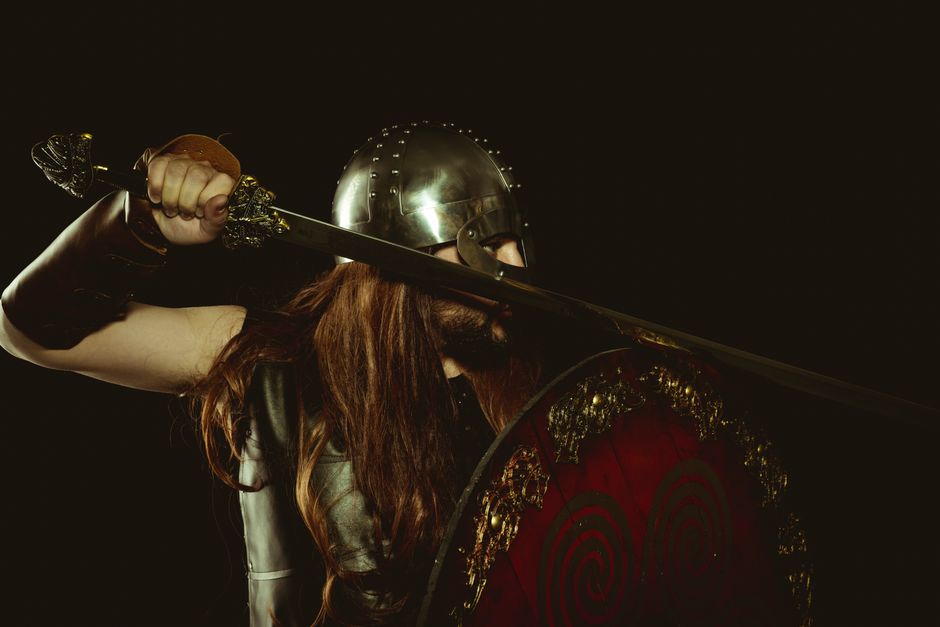
The effectiveness of these historic armors was heavily dependent on the materials available at the time. Early designers were constantly experimenting with alloys to find the right balance between weight, hardness, and malleability. The ability to source and refine bronze and iron was critical to creating armor that could truly withstand a battlefield encounter.
- Bronze was easier to cast and work with but required more thickness to provide the same protection as iron.
- Iron offered better hardness and could be made thinner and lighter, though it was prone to corrosion.
- Leather, when boiled or hardened, provided a lightweight alternative that was often used as a base layer or in combination with metal.
This early material science directly dictated what designs were possible and how durable the final product would be. Warriors who had access to high-quality metallurgy were naturally much more likely to survive, as their gear could deflect blows that would shatter inferior equipment. The constant race to develop better materials shaped the trajectory of ancient conflict.
How Ancient Protection Still Influences Modern Design
Modern tactical gear is still heavily influenced by the principles established by these ancient designs. Designers today prioritize the same core concepts: modularity, weight distribution, and impact absorption. Whether it is contemporary body armor or protective equipment for high-impact sports, the goal remains to prevent injury while allowing maximum mobility.
The transition from rigid, cumbersome protection to flexible, articulated systems is perhaps the clearest legacy we see today. Engineers continue to look at how scale and chainmail dispersed energy to better understand how to protect the human body from modern threats. By studying the best ancient armor designs, we learn how history informs our efforts to keep individuals safe in high-risk environments.