The Future Of Artificial Intelligence In Autonomous Vehicles Explained
Beyond Human Perception: The Neural Network Behind the Wheel
When we consider the future of artificial intelligence in autonomous vehicles, it becomes clear that we are witnessing a fundamental shift in how we move. Gone are the days when driving relied solely on human reaction times and visual judgment. Advanced machine learning models now process vast amounts of data to interpret complex road environments with precision that far exceeds our natural capabilities.
These systems utilize deep neural networks to distinguish between pedestrians, cyclists, other motorists, and inanimate obstacles. By fusing input from cameras, lidar, and radar, the AI constructs a comprehensive 3D representation of the world. This multi-layered approach ensures that the vehicle can navigate even in conditions that would challenge a human driver, such as heavy rain or low visibility.
Continuous learning is the engine driving this progress forward. Every mile driven by a fleet of autonomous cars feeds back into the central system, refining algorithms and improving edge-case recognition. This iterative process is what transforms a prototype into a reliable, intelligent transportation solution.
Transitioning from Driver Assistance to Full Autonomy
The path toward complete vehicle autonomy is marked by distinct levels of automation. Most modern cars already feature basic support, such as adaptive cruise control and automated lane-keeping systems. These technologies rely on AI to perform specific tasks, but they still require a driver to monitor the environment and intervene when necessary.
Moving toward higher levels requires the vehicle to handle dynamic driving tasks without any human input. This transition depends on AI models that can accurately predict the behavior of other road users. Instead of simply reacting to what is in front, the vehicle must anticipate potential hazards seconds before they occur.
As sensor hardware becomes more cost-effective and computational power increases, the transition to full autonomy will accelerate. Manufacturers are shifting their focus from adding convenience features to building robust, self-sufficient systems. This evolution marks the true beginning of the driverless era.
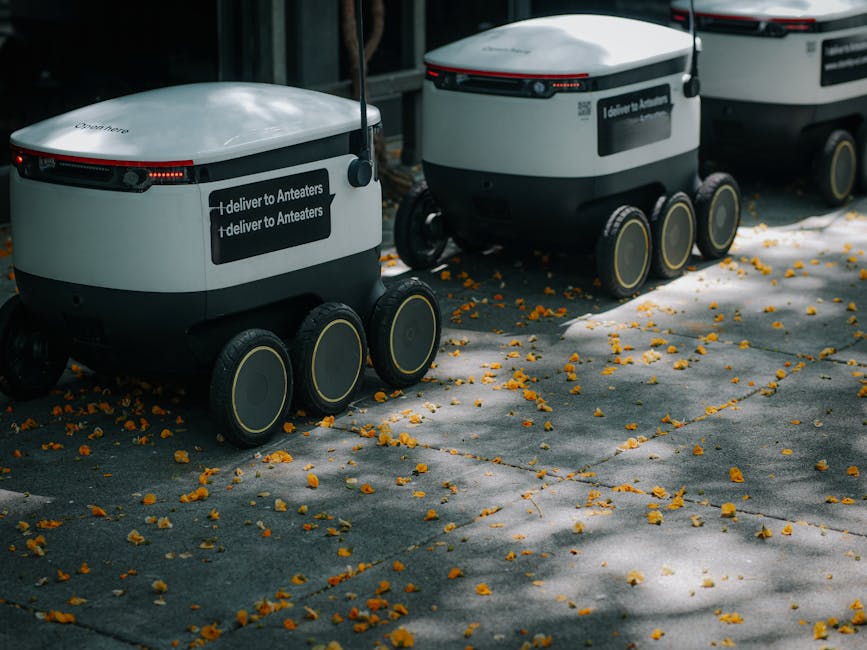
The Role of Deep Learning in Instantaneous Decision Making
The core of autonomous driving lies in the ability to make split-second decisions that prioritize safety and efficiency. Deep learning models are trained on millions of scenarios, allowing them to recognize patterns and choose the optimal path in real-time. Whether navigating a busy intersection or adjusting to an erratic driver, the AI evaluates outcomes instantly.
Reinforcement learning plays a critical role in this decision-making process. By simulating countless driving environments, the AI learns to balance complex objectives like speed, comfort, and safety. It learns the nuances of driving etiquette, which can be just as important as knowing the rules of the road.
This capability ensures that the vehicle consistently operates within established safety parameters. It does not suffer from distraction, fatigue, or impairment, which are leading causes of traffic incidents today. The reliance on data-driven logic provides a level of consistency that is difficult for human drivers to maintain over long periods.
Enhancing Road Safety Through the Future of Artificial Intelligence in Autonomous Vehicles
The primary driver behind the adoption of this technology is the potential to drastically reduce traffic accidents. Human error accounts for the vast majority of collisions, often due to split-second lapses in attention. By replacing these vulnerabilities with advanced sensors and intelligent processing, the safety profile of our roads can be fundamentally transformed.
Autonomous vehicles are designed to be hyper-aware of their surroundings in all directions. They do not have blind spots and can communicate their intentions clearly to other road users. This technology promises to create a safer environment for everyone, particularly for vulnerable road users like pedestrians and cyclists.
The ongoing refinement of these systems focuses on minimizing risk in unpredictable situations. Engineers are constantly developing new ways for AI to handle extreme scenarios, such as avoiding a sudden obstacle while maintaining vehicle stability. This relentless focus on safety is the hallmark of the industry's commitment to progress.

Connected Ecosystems: How V2X Communication Changes Everything
A vehicle's intelligence is significantly enhanced when it is part of a broader, connected network. Vehicle-to-Everything (V2X) communication allows cars to interact with traffic signals, road infrastructure, and other connected vehicles. This ecosystem enables a collaborative approach to transportation, where data sharing leads to optimized traffic flows.
By communicating directly with its environment, a car can receive information about road conditions far beyond the reach of its own sensors. This proactive awareness helps avoid congestion and reduces the time spent idling in traffic. The following benefits highlight the impact of this connectivity:
- Real-time traffic optimization for smoother, more efficient commutes
- Instant alerts regarding hazardous road conditions or accidents ahead
- Coordinated intersection management that reduces the need for traditional stoplights
This connectivity turns individual cars into nodes within a smart city infrastructure. It allows for a synchronized traffic environment where machines coordinate with one another to ensure safety and improve speed. The resulting efficiency gain will be felt by all commuters in the network.
Navigating Regulatory and Ethical Challenges
Bringing self-driving technology to the mainstream involves overcoming significant regulatory hurdles. Governments are working to establish frameworks that ensure safety while encouraging innovation. Standardizing testing procedures is essential to ensure that all autonomous systems meet rigorous performance benchmarks before being deployed on public roads.
Ethical considerations also demand careful attention, particularly when AI must make tough choices during unavoidable accident scenarios. Developers are tasked with programming these systems to prioritize outcomes in a way that is transparent and acceptable to society. These dilemmas are being discussed extensively by engineers, policymakers, and ethicists alike.
Building public trust is another major component of the success of this technology. Clear communication about the capabilities and limitations of AI-driven systems is essential for user acceptance. As these vehicles prove their safety record over time, public confidence will continue to grow.

Redefining Urban Spaces for a Driverless Tomorrow
The widespread adoption of autonomous vehicles will reshape the design of our urban environments. With less need for parking spaces in city centers, land once dedicated to garages could be repurposed for parks, housing, or pedestrian areas. This shift could lead to more livable, greener cities that prioritize people over storage for idle cars.
Transportation as a Service (TaaS) models will become more common, reducing the need for private vehicle ownership. Instead of buying a car that sits parked for most of the day, users can simply summon a ride on demand. This approach optimizes the utility of each vehicle, leading to less congestion and reduced environmental impact.
Our approach to mobility is changing, and the impact will be felt in every aspect of modern city planning. By focusing on efficient, intelligent transportation, we can create a future where movement is faster, safer, and much more integrated with our daily lives. The transformation of our roads is just the beginning of a larger urban revolution.