The History Of Gps And Its Impact On Modern Travel
Imagine trying to navigate across the country without a digital map guiding your every turn. The history of GPS completely transformed how we get from point A to point B, turning complex navigation into a simple tap on a screen. This technology, which we now take for granted, has a fascinating journey from top-secret military projects to the essential backbone of modern travel.
From Cold War Origins to Pocket Navigation
The story begins during the Cold War when scientists started tracking Soviet satellites. They realized that if they could track a satellite from the ground, they could also reverse the process to determine a precise location on Earth. This breakthrough eventually led to the development of the NAVSTAR system, designed primarily for military precision rather than civilian road trips.
For many years, this technology remained strictly under military control, with limited access for commercial use. It wasn't until the 1980s that the US government decided to allow civilian access, albeit with restricted accuracy. That decision set the stage for the massive explosion in innovation that followed, eventually putting the technology into every smartphone in our pockets.
The Mechanics Behind the History of GPS
Understanding how this system works takes the mystery out of those blue dots on our screens. At its core, the system relies on a constellation of satellites orbiting the Earth, constantly broadcasting signals that contain their current time and position. When your device picks up these signals, it calculates how long they took to arrive, allowing it to pinpoint your location through a process called trilateration.
Because these satellites operate with incredibly precise atomic clocks, even the tiniest discrepancy can cause errors in navigation. To maintain accuracy, the system continuously adjusts for atmospheric interference and relativistic effects, ensuring that your position remains reliable. It is a complex dance of engineering that happens in milliseconds, invisible to the average traveler.
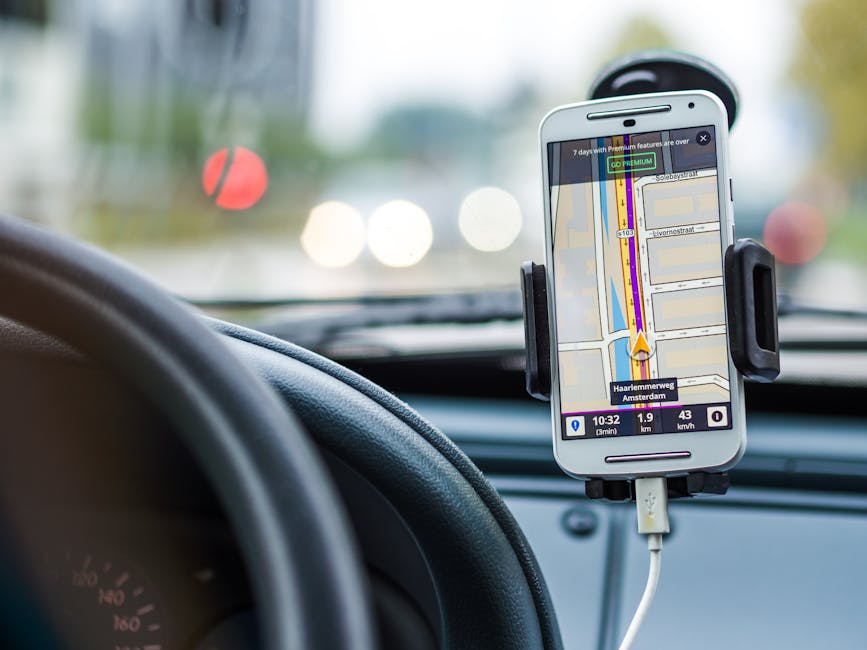
Revolutionizing Personal Travel
Before this technology became accessible, getting lost was simply part of the adventure. Travelers relied on bulky paper maps, compasses, and asking locals for directions, which often led to memorable, if frustrating, detours. The arrival of GPS in consumer devices changed this dynamic almost overnight, removing much of the anxiety from long-distance road trips.
Today, you can hop in a car and head to a completely unknown city with total confidence. The ability to calculate the fastest route, account for construction, and find the nearest gas station instantly has empowered millions of people to explore further. This newfound freedom has encouraged more spontaneous journeys, knowing that a reliable guide is always available.
The Shift from Paper Maps to Digital Guides
The decline of the glovebox map is perhaps the most visible change in the landscape of travel. While some adventurers still cherish the tactile experience of unfolding a paper map, most travelers now prefer the dynamic nature of digital guides. These apps do more than just show a route; they provide real-time updates and suggestions that paper simply cannot match.
Digital guides allow for seamless planning, saving routes and favorites directly in the cloud. They update automatically, ensuring you never follow a defunct road or ignore a new construction zone. This shift has not only made travel more efficient but also significantly safer by reducing the need for distracted navigation.

How Modern Travel Changed Because of GPS
The impact of this technology extends far beyond just finding a faster route to the airport. It has fundamentally altered the way we interact with our surroundings, making us more connected to the destinations we visit. When you have an always-on connection to your location, you can optimize your time in ways that were previously impossible.
The benefits to the modern traveler are numerous and have become part of our daily routines:
- Finding hidden gems that aren't on any standard tourist map by using crowdsourced location reviews.
- Avoiding traffic congestion in real-time, which saves hours of frustration on long drives.
- Enhancing safety when hiking or exploring remote areas, as rescue services can track precise coordinates if needed.
- Optimizing itineraries by automatically grouping nearby points of interest to maximize time efficiency.
Navigating the Future Beyond Just Location
Looking ahead, the role of location-based technology is poised to become even more integrated into our lives. Augmented reality is already beginning to blend digital navigation with the real world, overlaying directional arrows directly onto your view of the street. This will make urban exploration even more intuitive, particularly for navigating complex landmarks or transit hubs.
Furthermore, increased precision will support the development of autonomous vehicles, which rely heavily on ultra-accurate positioning to operate safely. As this technology matures, it will continue to reduce human error, making travel safer and more predictable for everyone. We are moving toward a future where navigation is entirely hands-free and perfectly predictive.

Tips for Smarter GPS Usage
While the technology is remarkably reliable, knowing how to use it smarter will improve your travel experience. Always download offline maps before heading into areas with poor cellular service, ensuring you never get stranded without a guide. This simple step is vital for remote hiking or traveling in foreign countries where data might be expensive.
Additionally, take the time to customize your app settings to avoid routes with tolls or highways if you prefer a scenic drive. Don't let your digital guide completely dictate your experience; sometimes the best part of a journey is turning off the turn-by-turn directions to discover something unexpected. Balance is key to utilizing this powerful tool while still leaving room for authentic exploration.