Why Gps Is Essential For Modern Logistics And Personal Navigation
How GPS Empowers Modern Logistics and Navigation
Most of us pull out our smartphones to find the nearest coffee shop or navigate a new city without giving it a second thought. This instant access to location data relies entirely on GPS, or the Global Positioning System, which has quietly become the backbone of our daily routines. It is easy to take this technology for granted, but it fundamentally changed how we move through the physical world.
Whether you are managing a fleet of delivery trucks or simply trying to avoid traffic on your way to work, this system provides the precision we need. Understanding why this technology remains essential highlights how deeply integrated it is into our personal lives and professional operations. It is not just about getting from point A to point B anymore; it is about efficiency, safety, and reliability.
Streamlining Personal Commutes and Travel
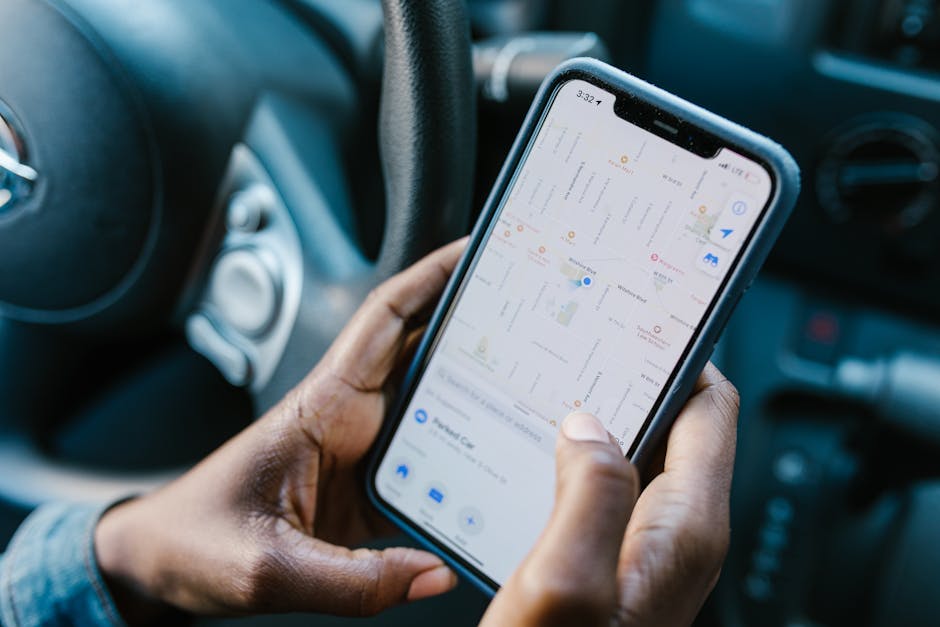
Before widespread access to satellite positioning, getting around a new city required fold-out paper maps and a good deal of patience. Today, your smartphone acts as an intelligent navigator that adjusts to road conditions in real-time. This shift has made travel accessible, less stressful, and significantly more efficient for the average person.
Navigation apps do more than just show you a route; they provide critical insights based on current conditions. By leveraging GPS data from millions of users, these platforms can suggest faster alternatives when accidents occur or roadwork blocks the path. You can now plan your day with confidence, knowing exactly how long your commute will take, regardless of local traffic disruptions.

Precision Tracking for Business Growth
In the world of logistics, timing is everything, and precision is non-negotiable. Companies that handle freight, food delivery, or courier services rely on constant tracking to keep customers informed and operations running smoothly. Without accurate location data, managing large fleets across multiple regions would be nearly impossible.
Real-time visibility allows logistics managers to make informed decisions immediately. If a delivery vehicle faces a delay, dispatchers can reroute other assets to cover the workload or update the customer with a more accurate ETA. This level of transparency builds trust with clients and helps companies maintain a competitive advantage in a fast-paced market.
- Improved accountability for drivers and assets.
- Enhanced communication with end customers regarding shipment status.
- Better coordination for multi-stop delivery routes.
- Data-driven insights to optimize future supply chain planning.
Boosting Efficiency and Lowering Fuel Costs
Efficiency in logistics often comes down to minimizing idle time and selecting the most direct routes. Satellite positioning allows companies to analyze historical data and current conditions to plan the most fuel-efficient journeys possible. Reducing unnecessary miles directly impacts the bottom line and lowers operational costs substantially.
For individuals, the impact is just as clear. Consistently taking the fastest route saves time, but it also reduces the wear and tear on your vehicle. When you avoid sitting in unnecessary traffic, your car consumes less fuel, which benefits both your wallet and the environment over the long term.
Improving Safety on the Road
Safety remains the most critical application of location-based technology. When drivers operate vehicles in complex environments, knowing exactly where they are—and where they are heading—helps prevent accidents. Furthermore, should an emergency occur, the ability to pinpoint an exact location allows emergency services to respond much faster.
Fleet managers use this technology to monitor driver behavior, such as excessive speed or harsh braking, which helps encourage safer driving habits. By promoting safer practices and providing rapid assistance when needed, these systems protect both the employees on the road and the general public. It is a vital layer of security that often goes unseen but provides peace of mind.
The Next Evolution of Location Services
We are currently witnessing a new chapter in how we interact with the world around us. Technologies like self-driving cars, drone delivery services, and augmented reality (AR) navigation all depend heavily on incredibly high-precision GPS signals. These innovations are poised to change the logistics landscape once again, potentially removing human error from complex transport tasks.
Beyond logistics, advanced mapping is making personal navigation more intuitive. AR interfaces will soon overlay directions directly onto the street view you see through your camera, eliminating the need to interpret traditional maps. This seamless blend of digital data and the physical world will make finding your destination easier and more enjoyable than ever before.

Getting the Best Results from Your Navigation App
While navigation tools are intuitive, using them effectively can save you even more time and hassle. Always ensure your device has a clear view of the sky to allow for the most accurate signal reception possible. Regularly updating your applications ensures you have the latest map data, which is essential for navigating new road layouts or speed limits.
Take time to explore the settings within your preferred app to customize your experience. You can often set preferences like avoiding toll roads, prioritizing highways, or choosing the most fuel-efficient path. Leveraging these features will help you maximize the benefits of the technology in your daily life, making every journey smoother and more predictable.