The Benefits Of Using Artificial Intelligence In Manufacturing Processes
Predictive Maintenance: Stopping Problems Before They Happen
Imagine a factory floor that hums with perfect synchronization, where machines anticipate their own needs before a breakdown occurs. This level of operational excellence is no longer just a futuristic dream, thanks to the rapid integration of artificial intelligence in manufacturing. Companies are moving past traditional automation, embracing smart systems that learn, adapt, and drive efficiency to new heights.
By constantly monitoring equipment health through vibration, temperature, and acoustic sensors, these systems detect anomalies that human operators might easily miss. When the data suggests a component is nearing the end of its life, the system triggers a maintenance alert. This proactive approach eliminates expensive, unplanned downtime and significantly extends the lifespan of critical machinery.
Enhancing Quality Control with Smart Vision
Consistency is the cornerstone of successful production, yet achieving near-perfect quality across high-volume outputs remains a significant challenge. Artificial intelligence transforms this process by utilizing high-resolution cameras paired with advanced machine learning algorithms. These vision systems inspect products in real-time, identifying defects that are often invisible to the naked eye.
Unlike traditional, rule-based systems that struggle with variations, AI models learn to recognize acceptable deviations and critical flaws alike. This means products that fail to meet strict standards are removed from the production line immediately, preventing wasted materials. Consequently, manufacturers can maintain a higher level of product integrity while simultaneously increasing their throughput speeds.

Optimizing Supply Chains through Smarter Forecasting
Managing inventory and raw materials is a delicate balancing act that depends heavily on accurate demand predictions. Modern platforms now use data-driven insights to analyze market trends, seasonality, and even external factors like global logistical disruptions. By processing this vast amount of information, manufacturers can refine their procurement strategies to ensure the right materials are available precisely when needed.
This level of precision minimizes the costs associated with holding excess inventory while reducing the risk of shortages. The result is a more resilient supply chain that reacts dynamically to changing market conditions. Organizations that leverage these tools find themselves much better positioned to handle unexpected shifts without stalling their production processes.
Elevating Productivity with Advanced Robotics
The traditional image of the isolated industrial robot is quickly being replaced by the rise of collaborative robots, or cobots. These machines work safely alongside human operators, taking over repetitive, strenuous, or dangerous tasks. Because they are equipped with sophisticated sensing technology, they understand their environment and can adjust their movements to operate seamlessly within a human-centered workspace.
By freeing human workers from monotonous duties, companies enable their teams to focus on more complex, value-added tasks. This synergy between human adaptability and robotic consistency boosts overall productivity significantly. Integrating these systems requires careful planning, but the improvements in output volume and employee satisfaction are substantial.
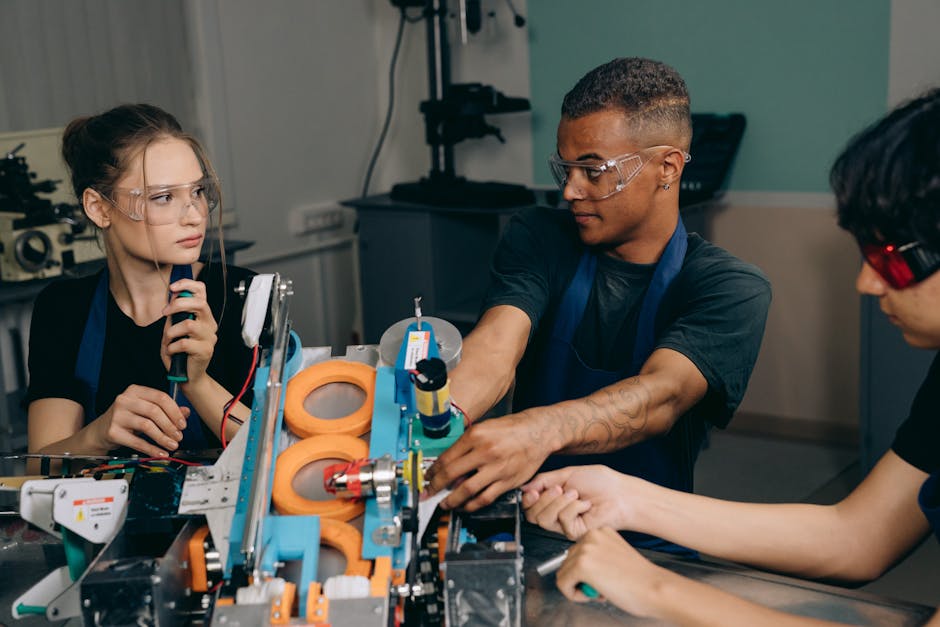
The Role of Artificial Intelligence in Manufacturing for Better Design
Product design is a highly iterative process that often consumes significant time and resources before a final version reaches the assembly line. Generative design software, powered by AI, flips this traditional workflow on its head by exploring thousands of design possibilities based on specific constraints like weight, material, and cost. Engineers input the requirements, and the software produces optimal design solutions that humans might never have conceptualized.
This accelerates the time it takes to develop a new product from concept to manufacturing, giving businesses a distinct competitive edge. Furthermore, these designs often result in lighter, stronger products that are more cost-effective to produce. Integrating this intelligence early in the lifecycle is a powerful way to reduce development cycles and increase innovation.
Improving Safety on the Factory Floor
Ensuring the health and safety of employees is the highest priority in any manufacturing facility. AI-driven monitoring systems can detect potential hazards in real-time by analyzing video feeds and environmental data. For example, systems can immediately identify when a worker has entered a restricted zone, or when they are not wearing the required personal protective equipment.
Beyond simple alerts, these platforms analyze long-term trends to identify high-risk areas or practices that could lead to accidents. By addressing these issues before they turn into injuries, management creates a culture of safety that benefits everyone. This proactive stance on workplace wellness not only protects personnel but also prevents the operational disruption caused by safety incidents.

Driving Sustainability Through Efficiency
Modern consumers and regulations are pushing manufacturers to adopt more sustainable practices, and technology is a key driver for this change. Artificial intelligence analyzes energy consumption patterns across the facility to identify opportunities for optimization. Smart systems can automatically adjust lighting, climate control, and machinery power usage to minimize unnecessary waste during off-peak times.
Beyond energy savings, these tools play a critical role in reducing raw material waste by perfecting production parameters. Implementing these strategies is a practical way to lower the environmental impact of operations. Companies are realizing that being environmentally conscious often goes hand-in-hand with being highly profitable.
- Energy Monitoring: AI identifies high-consumption periods to optimize utility usage.
- Waste Reduction: Precise control over machinery lowers the amount of scrapped material.
- Resource Management: Intelligent systems track and limit the use of water and chemical inputs.
Implementing New Technologies for Long-Term Growth
Adopting these advanced tools requires a shift in mindset rather than just a simple hardware upgrade. Leaders must prioritize training their existing staff to work with these new systems rather than viewing them as replacements. Developing a workforce that understands how to manage, interpret, and act upon the insights provided by machine learning is crucial for success.
Those who invest in the right talent and infrastructure will find themselves with a more agile, efficient, and innovative manufacturing operation. The benefits of integrating these smart processes extend far beyond initial cost savings, creating a foundation for sustained, long-term growth. Embracing this change allows businesses to thrive while setting new standards for quality and precision.