Navigating Complex Legal Forms For A Google Class Action Settlement Claim
My Frustrating Experience Navigating Complex Legal Forms for a Google Class Action Settlement Claim
I remember sitting at my desk, staring at my dual-monitor setup, trying to reconcile a faulty purchase from years ago with a mountain of legal jargon. I had recently received an email notification about a payout for a tech-related issue, but the process of navigating complex legal forms for a Google class action settlement claim felt more like deciphering encrypted code than filing for a simple refund. I spent about 4 hours pouring over PDF documents, trying to prove I actually owned the device when the class period was active.
The irony wasn't lost on me; here I was, a tech enthusiast who feels comfortable troubleshooting a kernel panic in Linux or setting up a complex Home Assistant automation, getting completely stumped by a web-based form. I’ve been using various Google services since the early days of Gmail, but nothing prepared me for the sheer ambiguity of the claim submission portal. I quickly realized that if you don't approach this with the same methodical mindset you use for a custom PC build, you’re likely going to hit a wall.
Understanding Your Eligibility and Documentation Requirements
Before you even click "submit," you have to confirm that you actually fall into the settlement class. I made the mistake of rushing into the form without checking my email archives, which meant I didn't have the original transaction ID ready when the session timed out. You need to be methodical, gathering receipts, order numbers, and dates of purchase before you ever open the official claim website.
I found that organizing my digital paper trail in a dedicated folder made the difference between a five-minute task and an hour-long ordeal. Look for confirmation emails from the Google Store or authorized retailers; these are your primary evidence. If you’re like me and have thousands of unread messages, use the search function with specific keywords like "order confirmation" or the name of the device involved to save your sanity.
Breaking Down the Technical Jargon in Settlement Documents
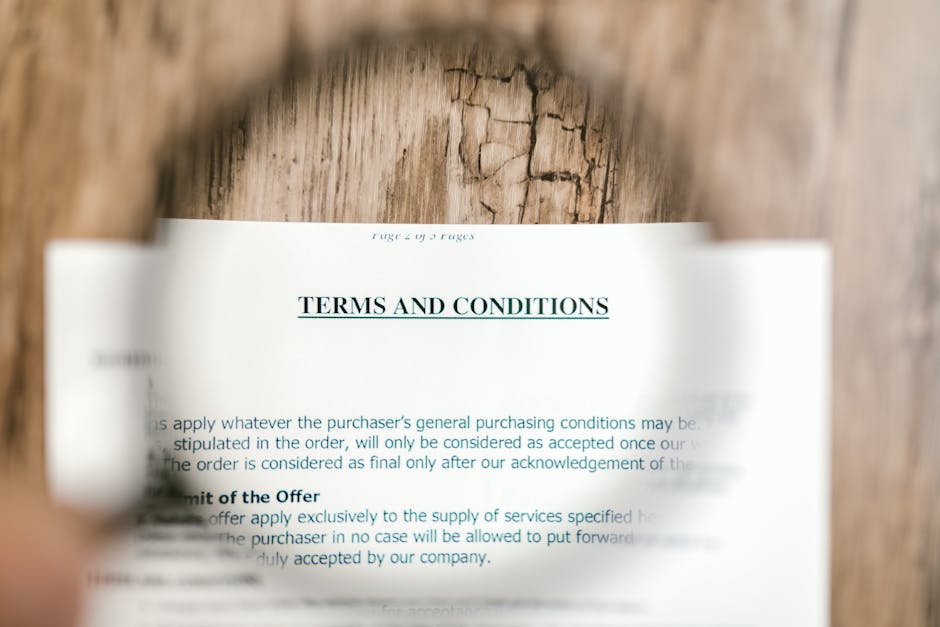
Legal documents are notoriously dense, and the settlement notices are often filled with phrases like "tolling agreements," "release of claims," and "arbitration clauses." When I first read through the 30-page PDF, I felt like I was reading a terms of service agreement for a new piece of hardware that I hadn't even bought yet. My advice is to skim for the "Frequently Asked Questions" section, which is usually buried near the middle or end, as it often provides plain-English translations of the critical terms.
Don't be intimidated by the length; most of the text is standard legal boilerplate designed to limit liability. Focus your energy on sections detailing the payout structure and the specific criteria for the "tier" of your claim. Understanding these distinctions helped me realize I was eligible for a higher payout amount than I initially assumed, simply because I had kept my original packaging and proof of purchase.
Mastering the Online Claim Submission Process
Once you are ready to start navigating complex legal forms for a Google class action settlement claim, ensure your browser is updated and that you aren't using aggressive ad-blockers that might break the site's script functionality. I had an issue where my privacy-focused browser extension was blocking the submission button from becoming active, which led me to believe the site was down for maintenance. Switching to a clean, non-extended browser instance solved the issue immediately.
The portals are usually designed with a linear flow, but they can be temperamental with input validation. I spent 45 minutes re-entering my serial number because I was using a format that included hyphens, when the system only accepted a raw alphanumeric string. Pay close attention to the input examples provided under each text field, as they are often more helpful than the official help text.

Common Pitfalls and How to Avoid Them
The most common mistake I encountered was misinterpreting the deadline for submission, which often differs based on whether you are opting into the settlement or opting out to pursue individual action. I almost missed my window because I confused the "Notice Date" with the "Claim Submission Deadline." To avoid this, I suggest setting a calendar reminder on your phone the moment you decide to pursue your claim.
You’ll want to avoid errors that might delay your claim processing or lead to denial. Here are some of the most critical steps to take to ensure your claim is processed correctly:
- Double-check that your legal name matches the one on your government-issued ID to avoid payout delays.
- Ensure your mailing address and email address are current and typo-free, as these are the primary ways you will be contacted.
- Keep a copy of your confirmation number generated after you submit; it's your only proof if the claim gets lost.
- Use a desktop or laptop to submit, as I found mobile devices often struggle with file uploads like PDFs and images.
The Reality of Settlement Payouts and Timelines
Patience is arguably the most important tool you need when navigating complex legal forms for a Google class action settlement claim. Even after submitting everything, I waited for months before hearing back about my status, which is standard for these types of large-scale legal proceedings. I had set aside my expectations, treating the settlement claim like a delayed refund from an online shop, which kept me from checking my email every single day.
Be aware that the amount you receive is often prorated based on the total number of approved claimants, which means you might not get the full amount mentioned in the initial notice. For my claim, I was initially expecting a 100 dollar refund, but the final amount was closer to 40 because of the volume of claims submitted. It’s a trade-off that is part of the territory with class actions.

Final Thoughts and Practical Advice for Claimants
My biggest takeaway from navigating complex legal forms for a Google class action settlement claim is that preparation is 90 percent of the battle. If you approach the process with the same level of detail as you would when setting up a new server or debugging a piece of code, you will find it much more manageable. I’ve been using this method for every claim I’ve filed since, and it has consistently reduced my stress and time spent on administrative hurdles.
Don't let the technical or legal density deter you from what you are rightfully owed. If you’re ever in doubt, reach out to the official settlement administrator listed on the website for clarity rather than guessing and risking your eligibility. My final advice is to keep a physical or digital folder for all your settlement-related communications; you never know when you might need to reference a past claim number or proof of purchase.