Advanced Imaging Technology In Smartphones
The Camera in Your Pocket: Unpacking Advanced Imaging Technology in Smartphones
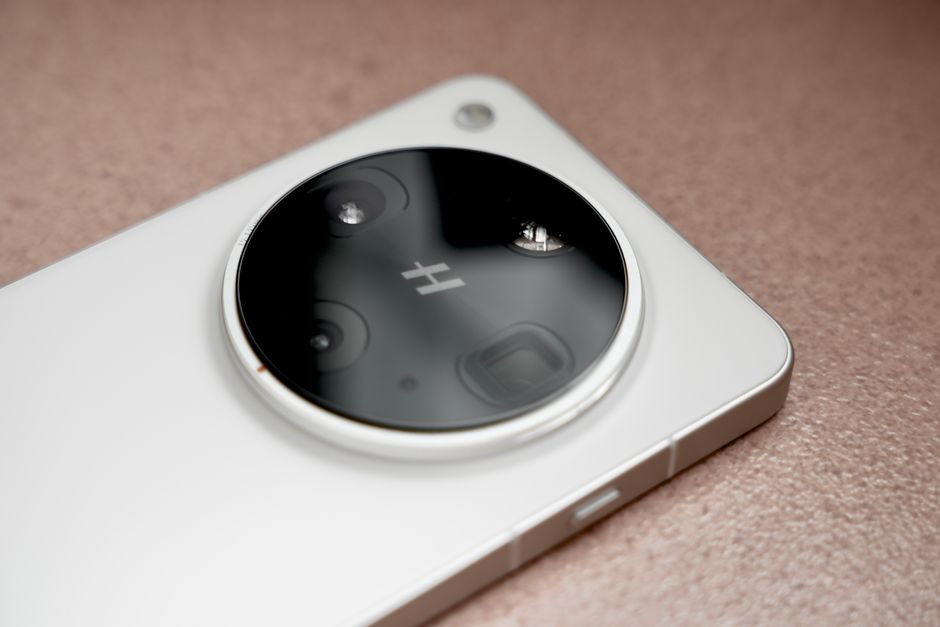
Smartphones have transformed from simple communication devices into powerful creative tools, largely thanks to incredible advancements in their photographic capabilities. Gone are the days when a phone camera was just a novelty; today, the advanced imaging technology in smartphones rivals dedicated cameras in many situations, putting professional-grade photography within everyone's reach. This revolution isn't just about higher megapixels; it's a sophisticated blend of hardware innovation and intelligent software.
Beyond Megapixels: The Real Story of Quality
For years, megapixel count was the primary battleground for smartphone camera bragging rights. While resolution certainly plays a role, it's far from the only factor determining image quality. A camera with fewer megapixels but superior sensor size, lens optics, and image processing can often produce much more stunning results.
True image quality hinges on how much light the sensor can capture, how accurately the lens directs that light, and how effectively the phone's internal processor interprets and refines the data. This holistic approach ensures vibrant colors, crisp details, and excellent dynamic range, even in challenging lighting conditions. It's about optimizing every step of the imaging pipeline, not just one number.
Computational Photography: A Pillar of Advanced Imaging Technology in Smartphones
Perhaps the biggest game-changer in mobile photography is computational photography. This isn't just taking a single photo; it's the phone's software intelligently combining multiple images, correcting flaws, and enhancing details, often without you even realizing it. Features like HDR (High Dynamic Range) are prime examples, blending several exposures to capture both bright highlights and deep shadows.
Night Mode is another stellar demonstration, where the phone takes numerous short exposures over a few seconds, aligns them, and stitches them together to create a bright, detailed, and noise-free image in near darkness. Portrait Mode, which artfully blurs backgrounds, relies on depth mapping and advanced algorithms to separate the subject from its surroundings, mimicking the shallow depth of field of much larger camera lenses.

Hardware Heroes: Sensors, Lenses, and Optical Stabilization
While software works wonders, it's built upon a foundation of cutting-edge hardware. Modern smartphone sensors are significantly larger than their predecessors, capable of gathering more light and thereby producing cleaner images with less noise. This physical improvement is crucial for low-light performance and overall image fidelity.
Alongside larger sensors, multi-lens systems have become standard. We now see wide-angle, ultra-wide, and telephoto lenses, offering incredible versatility to frame any scene perfectly. Optical Image Stabilization (OIS) is another vital component, physically shifting lens elements to counteract hand shake, resulting in sharper photos and smoother videos, especially in challenging situations.
AI's Magic Touch: Smarter Shots, Every Time
Artificial Intelligence (AI) and machine learning are increasingly integrated into smartphone imaging, making cameras smarter and more intuitive. AI can automatically detect subjects like people, pets, or food, and then apply optimal settings and enhancements tailored specifically for that scene. This means less fiddling with manual settings and more consistently great shots.
Beyond basic scene recognition, AI drives sophisticated features like "Super Res Zoom," which uses machine learning to enhance digitally zoomed images, reducing artifacts and adding detail that traditional digital zoom would lose. It also plays a critical role in face detection, eye tracking, and even optimizing skin tones for natural-looking portraits, ensuring every shot looks its best.
Video: More Than Just Moving Pictures
The revolution in smartphone imaging isn't limited to still photos; video capabilities have seen equally impressive leaps. Modern smartphones can record in stunning 4K resolution at high frame rates, with some even offering 8K, bringing cinematic quality to your pocket. Features like cinematic mode, which offers adjustable depth of field in video, mimic professional film cameras.
Stabilization for video has become incredibly sophisticated, combining OIS with advanced electronic stabilization (EIS) and AI prediction to deliver gimbal-like smoothness even when walking or running. High dynamic range video recording ensures that your memories are captured with vibrant colors and excellent detail across varying light levels, making smartphone-shot videos look incredibly professional.
Unlocking Your Creativity: Features and Modes
Today's smartphones offer a suite of features that empower users to get creative without needing extensive technical knowledge. These modes, driven by advanced imaging technology in smartphones, turn complex photographic techniques into accessible tools for everyone.
- Pro Mode: For those who want more control, allowing manual adjustment of ISO, shutter speed, white balance, and focus.
- Panoramic Mode: Easily stitch together wide vistas by simply panning your phone.
- Time-Lapse & Slow-Motion: Transform everyday scenes into dramatic or artistic sequences.
- Macro Photography: Capture intricate details of small subjects with dedicated macro lenses or computational tricks.
- Live Photo/Motion Photo: Capture a short video clip before and after a still photo, bringing moments to life.
The Future is Bright: What's Next for Mobile Imaging
The pace of innovation in smartphone cameras shows no signs of slowing down. We can anticipate even larger sensors, more sophisticated periscope zoom lenses for greater optical reach, and further integration of computational photography to tackle challenges like extreme low light and highly dynamic scenes with even greater finesse. Imagine real-time 3D mapping and augmented reality experiences becoming seamlessly integrated with your camera feed.
AI will continue to evolve, offering even more personalized and intelligent image processing, predictive capture capabilities, and perhaps even dynamic lighting adjustments post-capture. The goal remains the same: to make high-quality photography and videography effortless and accessible, continuously pushing the boundaries of what these pocket-sized powerhouses can achieve. The future of advanced imaging technology in smartphones promises an even more visually rich and interactive world.