Android Internet Of Things Integration
Unlocking the Smart Home: The Power of Android Internet of Things Integration
Ever imagined a home where your coffee machine starts brewing as your alarm goes off, or your lights adjust automatically based on the time of day? This isn't science fiction anymore, thanks to the magic of the Internet of Things (IoT). At the heart of making these smart scenarios a reality, especially for everyday users, is robust Android Internet of Things integration. Android, the world's most popular mobile operating system, plays a pivotal role in connecting, controlling, and interacting with the myriad of smart devices around us.
This powerful combination brings unparalleled convenience and customization right to your fingertips. Whether it's through your smartphone, tablet, or even your smart display, Android provides the intuitive platform to manage your entire smart ecosystem. It's about more than just turning devices on and off; it's about creating a truly intelligent environment that anticipates your needs.
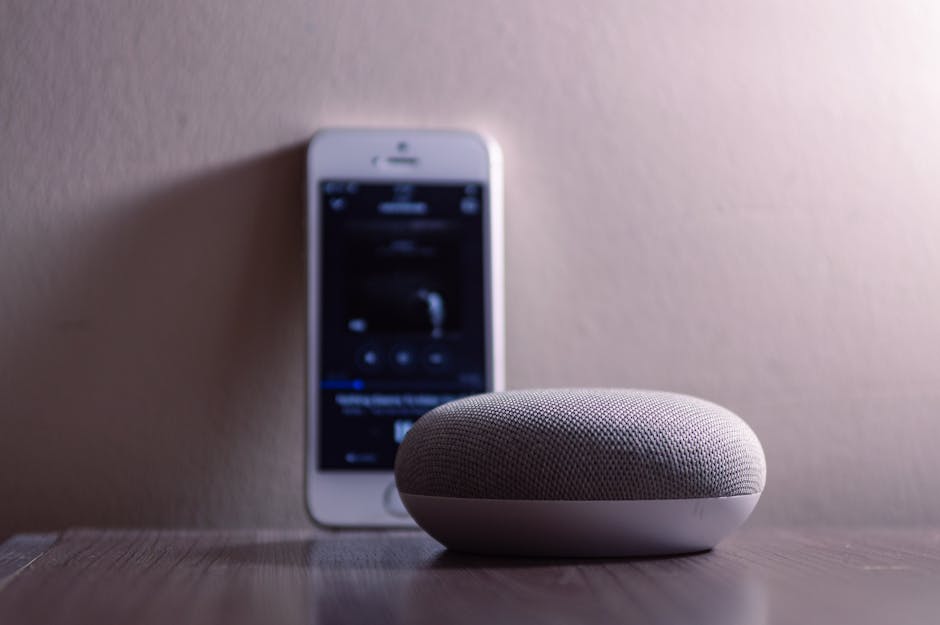
Why Android is the Perfect Partner for Your IoT Ecosystem
Android's dominance isn't just in smartphones; its flexibility makes it an ideal foundation for various IoT devices and control systems. From smart TVs and wearables to dedicated smart home hubs, Android's open-source nature fosters innovation and widespread adoption. This broad presence ensures that many of the smart gadgets you encounter are either running a version of Android or are designed to work seamlessly with Android devices.
The vast developer community supporting Android means there's a constant stream of new apps, tools, and updates that enhance IoT functionality. This ecosystem thrives on collaboration, allowing different manufacturers to build devices that can communicate effectively with each other. For users, this translates into more choice and less hassle when building their connected spaces.
Core Components of Android IoT Integration
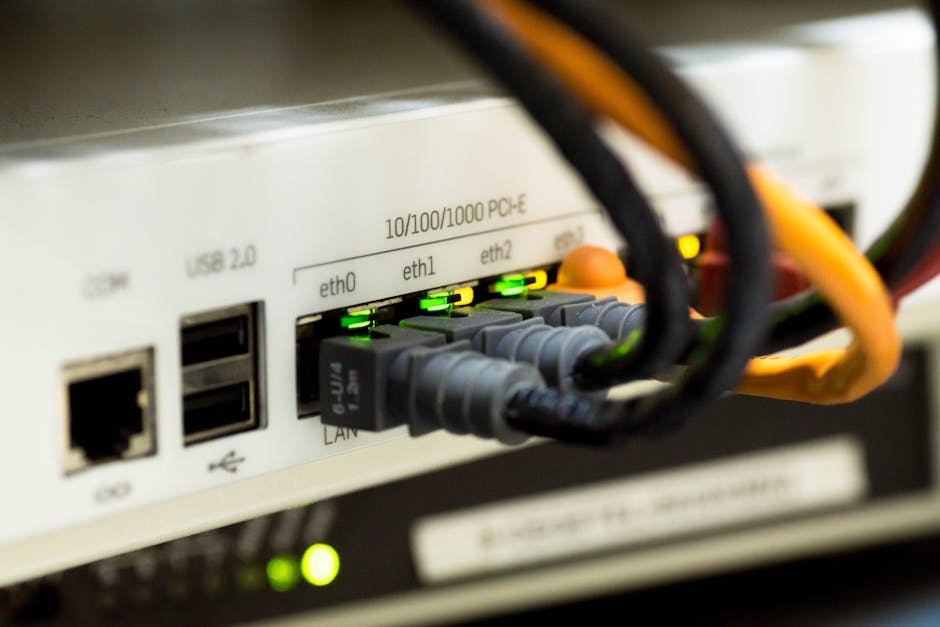
Bringing your smart devices together involves a fascinating interplay of hardware and software. At its core, Android IoT integration relies on various communication protocols that allow devices to "talk" to each other and to your Android control hub. These protocols ensure that your smart bulb understands the command from your phone, or that your smart thermostat can report its temperature readings.
Key communication methods often utilized in this integration include:
- Wi-Fi: For devices requiring higher bandwidth, like smart cameras or media streamers.
- Bluetooth/Bluetooth Low Energy (BLE): Ideal for proximity-based control, wearables, and devices with lower power requirements.
- Zigbee & Thread: Mesh networking protocols favored for smart home devices due to their efficiency and scalability.
- Matter: A new, open-source connectivity standard designed to simplify device compatibility across different brands and ecosystems, with strong Android support.
Android devices, with their built-in support for many of these technologies, act as central command centers. Your smartphone, tablet, or even an Android TV can become the brain of your smart home, processing data and sending commands to your connected gadgets.
Developing Android Apps for Connected Devices: A Seamless Experience
The true power of Android Internet of Things integration often manifests through well-designed mobile applications. These apps serve as the user-friendly interface that translates complex device functionalities into simple taps and swipes. They are essential for setting up devices, creating automation rules, and monitoring your smart home from anywhere.
Developers leverage Android's rich set of APIs to build intuitive and powerful control apps. These APIs allow applications to discover nearby devices, establish secure connections, and exchange data efficiently. From adjusting your thermostat to checking your security cameras, a dedicated Android app provides comprehensive control and customization over your smart environment.
Security and Privacy in Your Android-Connected World
As our homes become smarter, the importance of security and privacy cannot be overstated. Android Internet of Things integration, while offering immense convenience, also brings new considerations for safeguarding your data and ensuring the integrity of your connected devices. Android, with its regular security updates and built-in protections, provides a strong foundation.
However, users and developers both play a crucial role in maintaining a secure smart home. It's vital to choose devices from reputable manufacturers that prioritize security by design. Always use strong, unique passwords for your devices and Wi-Fi networks, and enable two-factor authentication whenever available. Regularly updating your Android apps and device firmware also helps patch vulnerabilities and keeps your system protected against emerging threats.
The Future is Connected: Trends in Android IoT Integration
The landscape of Android Internet of Things integration is constantly evolving, with exciting advancements on the horizon. We're seeing a significant push towards greater interoperability, largely driven by initiatives like the Matter standard, which promises to make connecting devices from different brands much simpler. This means less friction and more choices for consumers building their smart homes.
Artificial intelligence and machine learning are also becoming more ingrained, allowing smart devices to learn your habits and predict your needs with greater accuracy. Imagine a home that proactively adjusts lighting based on your mood, or optimizes energy usage without you lifting a finger. Voice control, powered by Google Assistant on Android devices, continues to grow more sophisticated, offering hands-free command over an ever-expanding array of gadgets. The future promises a truly intuitive and responsive smart living experience.