The Evolution Of Smartphone Cameras
The Incredible Journey: Tracing the Evolution of Smartphone Cameras
Remember a time when your phone was just for calls and texts? It feels like ages ago, especially when you consider how powerful and versatile these devices have become. One of the most astounding transformations we've witnessed is the evolution of smartphone cameras. What started as a blurry novelty has blossomed into a sophisticated imaging system capable of rivaling dedicated cameras, fundamentally changing how we capture and share our world.
Today, everyone's a photographer, snapping countless moments from daily life to grand adventures. This widespread access to high-quality photography wouldn't be possible without the relentless innovation in mobile camera technology. Let's take a deep dive into how these pocket-sized marvels went from simple optics to computational powerhouses.
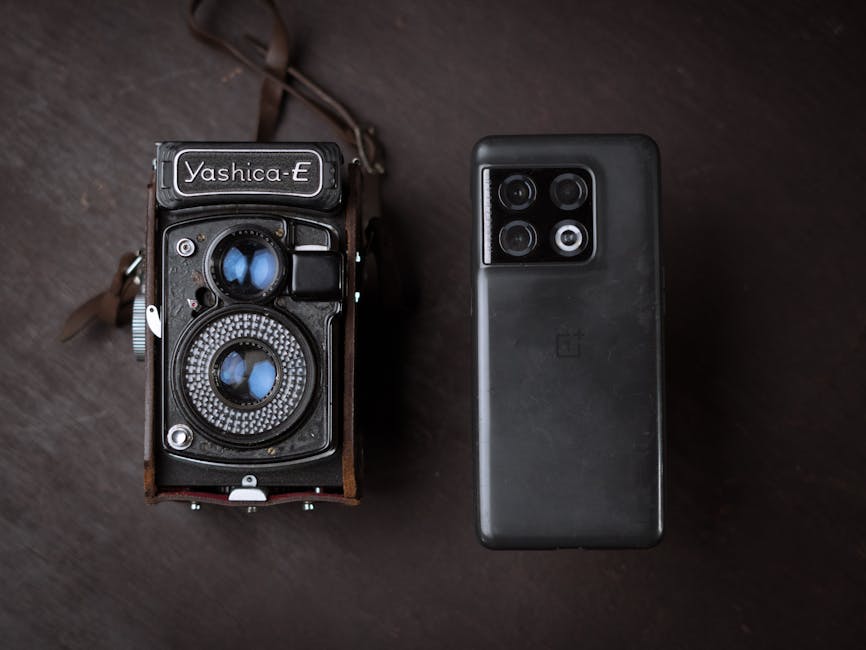
From Humble Beginnings: The First Camera Phones
The very first camera phones, like the Sharp J-SH04 released in Japan in 2000, were revolutionary but incredibly basic. They typically featured a VGA resolution camera, meaning photos were a mere 0.1 megapixels. Image quality was often grainy, colors were washed out, and low light was simply out of the question.
These early models were more about the novelty of being able to take a picture and share it instantly, often via MMS, than about photographic excellence. Still, they laid the groundwork for what was to come, sparking the public's imagination about mobile photography's potential.
The Megapixel Mania and Optical Illusions
As technology advanced, the industry entered what many called the "megapixel race." Manufacturers touted higher and higher megapixel counts, leading consumers to believe that more megapixels automatically meant better photos. While resolution did improve, allowing for larger prints, it wasn't the full story.
Often, these tiny sensors crammed with millions of pixels struggled in anything but perfect lighting, resulting in noisy images. The physical size of the sensor and the quality of the lens were, and still are, far more crucial for capturing truly great images than just a high megapixel count alone.
Computational Photography: The Software Revolution
The real game-changer for smartphone imaging arrived with computational photography. Instead of relying solely on the hardware to capture a perfect image, phones began using sophisticated software algorithms to process and enhance photos after they were taken. This marked a profound shift in the development of phone cameras.
Features like High Dynamic Range (HDR) combine multiple exposures to preserve details in both highlights and shadows. Portrait Mode uses depth mapping to create beautiful background blur, and Night Mode stitches together several shots to brighten dark scenes, all thanks to powerful processing and intelligent software.
Embracing Versatility: The Multi-Lens Era
One of the most noticeable advancements in recent years is the proliferation of multiple camera lenses on the back of smartphones. No longer are you limited to a single perspective; modern devices offer a suite of options, making them incredibly versatile tools for any photographer.
These different lenses allow for diverse photographic styles and situations. A common setup now includes:
- Ultrawide Lenses: Perfect for expansive landscapes, architectural shots, or getting more people into a group photo without stepping back.
- Telephoto Lenses: Enabling optical zoom, these lenses let you get closer to your subject without sacrificing image quality, ideal for portraits or distant subjects.
- Macro Lenses: Designed for extreme close-ups, revealing intricate details of small objects like flowers or insects.
AI and Machine Learning: Your Pocket Photographer
Artificial intelligence and machine learning have become integral to the modern smartphone camera experience. These intelligent systems work behind the scenes, often without you even realizing it, to optimize your shots in real-time. AI can instantly recognize what you're pointing your camera at—whether it's food, a pet, or a sunset—and automatically adjust settings for the best possible outcome.
Beyond simple scene recognition, AI powers advanced features like object tracking, intelligent cropping, and even suggesting the best shot from a burst of photos. It's essentially having a tiny, incredibly fast photography assistant living inside your phone, constantly working to make your pictures better.
Pushing Boundaries: The Future of Smartphone Imaging
What's next for phone cameras? The innovation shows no signs of slowing down. We're seeing phones with even larger sensors, challenging the notion that a small device can't produce professional-grade images. Periscope zoom lenses are becoming more common, offering incredible optical zoom capabilities that were once exclusive to bulky DSLRs.
Computational photography will continue to evolve, with new algorithms for even more sophisticated image stacking, video stabilization, and perhaps even dynamic lighting adjustments after a photo is taken. The blend of cutting-edge hardware and increasingly intelligent software promises an exciting future for mobile photography.
Capturing Life, One Tap at a Time
From the grainy, postage-stamp-sized images of the early 2000s to today's stunning, high-resolution masterpieces, the transformation of smartphone cameras is nothing short of extraordinary. They've not only improved in quality but have also democratized photography, making it accessible and enjoyable for billions worldwide.
Whether you're documenting a family vacation, capturing a breathtaking sunset, or simply snapping a quick selfie, the camera in your pocket is a testament to incredible technological progress. It's a journey that continues to unfold, ensuring that our ability to capture and share life's moments only gets better.