Why Open World Games Are Popular On Pc
The Unstoppable Rise of Vast Digital Landscapes
The allure of sprawling digital environments has never been stronger, drawing millions of players into expansive virtual playgrounds. It is no surprise that open world games are popular on PC, where the sheer capability of the hardware meets a culture of endless experimentation. Players crave the ability to forge their own paths, and the PC platform provides the ultimate foundation for these ambitious, unscripted adventures.
These massive environments offer a sense of freedom that linear experiences simply cannot match, inviting exploration and curiosity at every turn. When a player logs in, they are not just starting a game; they are stepping into a dynamic space designed for discovery. This shift toward autonomy is the driving force behind the continued growth of the genre within the PC gaming community.
Unlocking Potential Through Raw Hardware
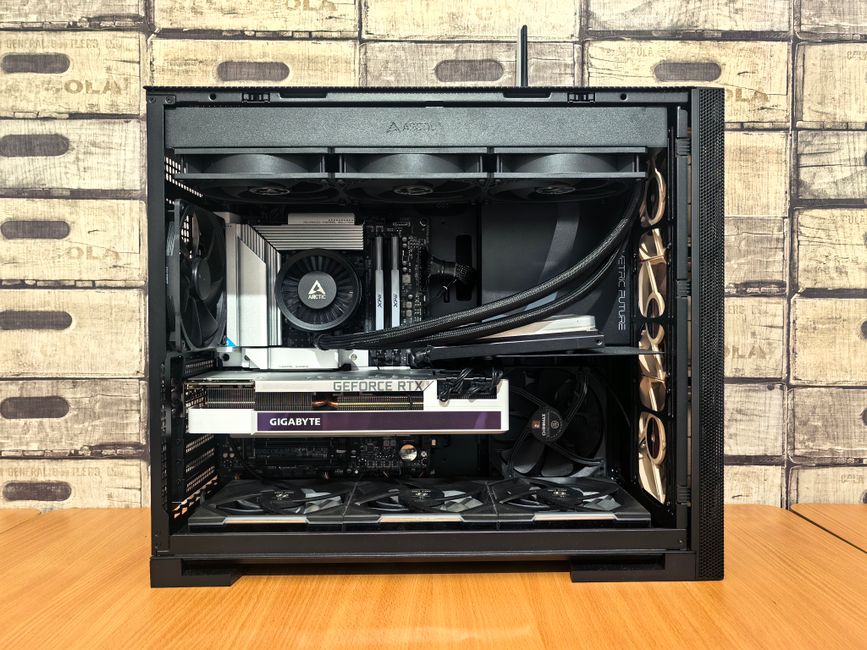
Modern gaming PCs are essentially supercomputers designed to handle massive amounts of data simultaneously. When you load into a vast landscape, your machine is responsible for rendering thousands of assets, complex lighting, and interactive elements. Because PC hardware continues to outpace consoles, developers can push boundaries further, creating environments that are truly seamless and densely populated.
This horsepower allows for longer view distances and more complex AI behavior within these virtual worlds. Players can enjoy these breathtaking vistas without the limitations that often plague other platforms. When the hardware isn't the bottleneck, the experience becomes genuinely immersive rather than just visually impressive.

Why Open World Games are Popular on PC: The Modding Advantage
One of the primary reasons why open world games are popular on PC is the unparalleled power of community-led modding. Unlike consoles, where game experiences are largely fixed, the PC environment invites players to tinker, modify, and expand upon the core design. This transforms a static game into a living, evolving project that can last for a decade or more.
Modders frequently address technical issues, improve user interfaces, or add entirely new features that the original developers might have missed. Players can download graphics overhauls that make a five-year-old title look brand new, or introduce game-changing survival mechanics to classic RPGs. This culture of customization ensures that the game can adapt to what the player wants, rather than the other way around.
- Access to massive modding platforms like Nexus Mods
- Opportunities to change game mechanics and balancing
- Ability to install high-resolution texture packs
- Community-created quest lines and expansion content
- Performance tweaks that can extend the life of older hardware
The Appeal of Unmatched Player Freedom
There is a distinct satisfaction that comes from stepping into a world and feeling like the decisions you make actually matter. Open world games excel at providing this sense of agency, and the PC enhances it by allowing for precise control schemes. Whether using a high-end mouse and keyboard for precision shooting or a controller for more casual exploration, the platform adapts to the user.
This freedom isn't just about movement, but about how you interact with the environment itself. In many PC titles, the level of systemic interaction allows for creative problem-solving that developers never even intended. You aren't just following a linear story; you are living in a space that reacts to your presence in unpredictable ways.
Customizable Visual Fidelity and Performance
PC gaming offers a level of graphical control that remains unmatched, allowing players to tailor the experience to their specific setup. You can adjust everything from shadow resolution and volumetric lighting to texture quality and anti-aliasing. For open worlds, which rely heavily on atmospheric detail, these settings are crucial for establishing a believable sense of place.
Some players prefer high frame rates for fluid combat, while others prioritize 4K resolution to appreciate the intricate details of a sprawling landscape. This flexibility ensures that the game runs optimally on whatever hardware you happen to own. It turns the technical aspect of gaming into a personal configuration that enhances your enjoyment of the environment.
A Growing Library of Immersive Genres
The PC market is incredibly diverse, fostering a massive variety of open world titles ranging from survival sims to grand strategy hybrids. Developers feel comfortable taking risks here, knowing that the audience is generally more tech-savvy and receptive to complex mechanics. This has led to the explosion of sub-genres that thrive specifically within the PC ecosystem.
You will find titles that lean heavily into simulation, where every aspect of the world—from weather patterns to economic systems—is modeled in great detail. These experiences would be incredibly difficult to manage on a more restrictive platform. Because of this, the PC remains the premier destination for players who want the deepest, most complex open world experiences available today.

Shared Experiences and Collaborative Discovery
A massive component of the PC experience is the vibrant community that forms around these games. Through forums, Discord servers, and social media, players share their findings, screenshots, and custom builds. This social aspect makes the solitary act of exploring a virtual world feel like a shared journey with others.
Even for single-player titles, the community effect is tangible and profound. You often find yourself participating in discussions about hidden secrets, complex lore, or optimized playstyles that you would never discover on your own. This collective enthusiasm keeps games relevant long after their initial release, constantly bringing new players into the fold.