Why Pc Gaming Is Still Popular Among Gamers
The Enduring Appeal of Desktop Gaming
PC gaming has evolved from a niche hobby into a dominant force in the entertainment industry. Despite the rise of powerful consoles and mobile devices, millions of users continue to choose the desktop experience for their interactive entertainment. Understanding why pc gaming is still popular requires looking beyond raw specifications to the unique culture, versatility, and freedom it offers to players across the globe.
The platform has transformed from a complex undertaking for enthusiasts into an accessible and vibrant ecosystem. By offering a blend of high-performance hardware, unmatched library depth, and community-driven content, it continues to define the modern gaming landscape. This article explores the core factors that keep this medium at the forefront of digital play.
The Freedom of Hardware Customization
One of the defining aspects of the PC ecosystem is the ability to build a machine that perfectly matches your preferences and budget. Unlike consoles, which offer a static hardware experience for years, a PC allows you to choose every component from the processor to the case aesthetics. This level of personalization transforms a computer from a simple appliance into a reflection of your personality and workspace design.
For many enthusiasts, the process of building the machine is just as rewarding as playing the games themselves. Sourcing specific parts, managing cable airflow, and fine-tuning the cooling setup create a deeper bond with the platform. This hardware freedom is a cornerstone of the hobby, ensuring that no two setups are ever exactly alike.
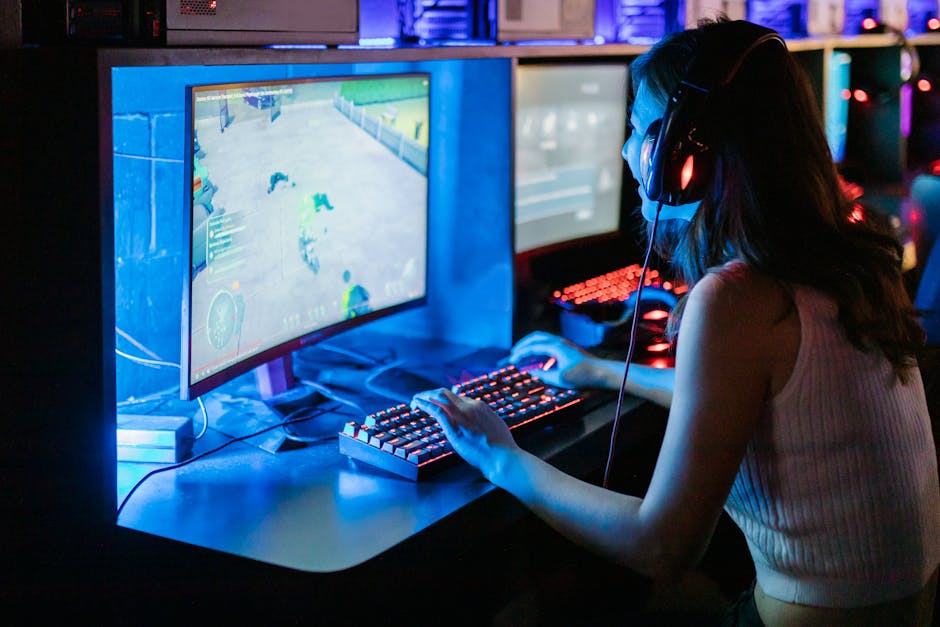
Why PC Gaming Is Still Popular in the Modern Era
The gaming industry has shifted dramatically with the advent of high-speed internet and digital distribution platforms. While consoles offer convenience, the PC remains the preferred choice for those seeking an expansive and interconnected experience. The platform bridges the gap between massive blockbuster releases and tiny indie gems with ease.
Developers often prioritize the PC for testing new technologies and complex game mechanics before bringing them elsewhere. This allows players to be at the forefront of graphical advancements and unique gameplay innovations. The accessibility provided by digital storefronts means that finding your next obsession is often just a few clicks away.
An Unmatched Library of Games
The sheer volume and variety of games available on PC are staggering compared to any other platform. Digital marketplaces have curated vast libraries that stretch back decades, offering everything from retro classics to the latest triple-A releases. This massive catalog ensures that you are never short of options, regardless of your preferred genre or playstyle.
This library is also home to a thriving independent scene that pushes the boundaries of what gaming can be. Many iconic titles started as passion projects on PC, gaining traction through community support rather than massive marketing budgets. Because of this, players often discover unique experiences that simply do not exist on more restricted hardware platforms.
- Access to decades of backward-compatible titles that run natively
- Immediate availability of early access games and experimental releases
- Diverse genre representation ranging from grand strategy to complex simulators
- Seamless integration with global storefronts and community hubs
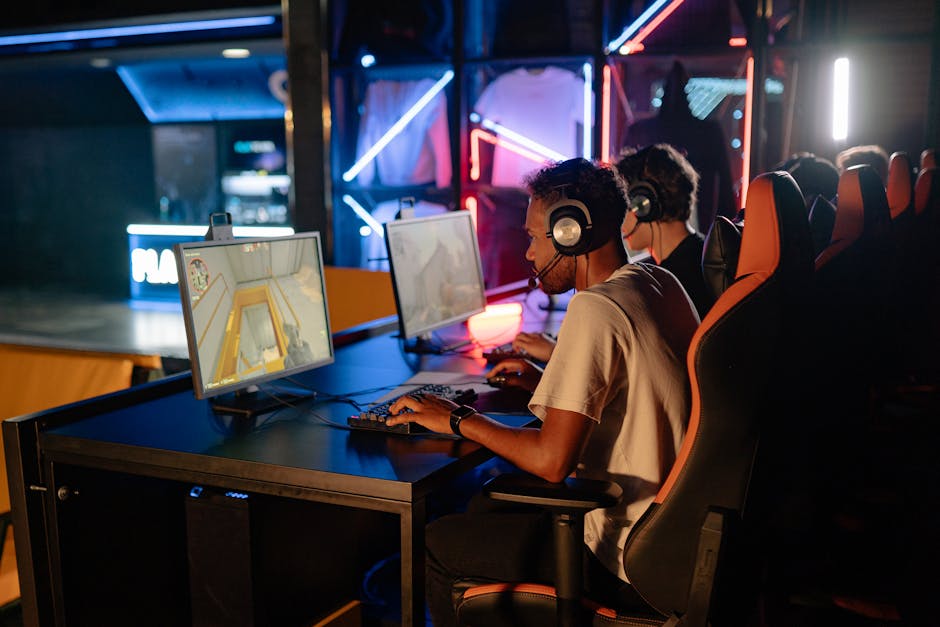
Superior Performance and Visual Fidelity
At its core, the PC is often the most powerful tool for gaming, enabling experiences that demand high-end graphical processing and rapid frame rates. Players can leverage technologies like ray tracing, ultra-high resolutions, and high-refresh-rate monitors to see their games exactly as intended. This emphasis on fidelity makes the PC the benchmark for visual quality in interactive entertainment.
Beyond the graphics, the responsiveness of keyboard and mouse input remains a significant factor for competitive gaming. Precise control over camera movement and character actions is unmatched by controller-based alternatives in fast-paced titles. For those who demand peak performance, the platform offers the necessary headroom to excel.
More Than Just a Gaming Machine
A primary factor driving the continued appeal of PCs is their inherent versatility as computing devices. While a console is generally designed for a single purpose, a PC handles demanding gaming sessions alongside professional tasks like video editing, coding, or academic projects. This multifunctionality makes investing in a high-end system feel more justified for many users.
Being able to jump from a high-intensity battle in a competitive game to managing a spreadsheet or streaming content creates a seamless lifestyle experience. The PC effectively serves as the central hub for your digital life, combining entertainment with productivity. This hybrid nature provides a practical advantage that dedicated gaming devices struggle to replicate.
The Creative Power of Modding
The vibrant modding community is a major reason why players stick with PC long after they finish the main story of a game. Developers often provide the tools necessary to tweak game files, create new quests, or overhaul graphical assets entirely. This community-led innovation extends the lifespan of beloved titles by years or even decades.
Mods can range from simple quality-of-life improvements to total conversions that feel like entirely new games. Whether you want to improve game performance or completely revamp the atmosphere of a world, there is likely a mod community working to make it happen. This level of community involvement ensures that titles remain fresh and engaging well past their original release date.
Future-Proofing Your Gaming Experience
The ability to perform incremental upgrades ensures that your system remains relevant as new technologies emerge. Instead of replacing the entire unit every few years, you can selectively replace a graphics card or increase memory to stay within requirements. This upgradeability protects your initial investment and allows for a more personalized long-term strategy.
This approach to hardware management gives gamers total control over the lifecycle of their machines. As games become more demanding, you have the flexibility to scale your hardware to meet the challenge without the waste associated with full system replacements. It is this balance of long-term value and peak performance that keeps the platform flourishing.