History Of Online Multiplayer Mobile Games
The Evolution of Pocket-Sized Connection
Few technological leaps have changed our daily routines quite as drastically as the way we play together on our phones. While smartphones now dominate our entertainment, the fascinating history of online multiplayer mobile games began long before high-definition touchscreens or gigabit data speeds. What started as simple text-based interactions on monochrome screens has rapidly evolved into massive, real-time virtual worlds that connect millions of players across the globe every single day.
The journey from isolated gaming sessions to shared virtual experiences is a story of innovation, hardware breakthroughs, and changing social expectations. As technology became faster and more capable, developers seized the opportunity to turn the mobile phone into a primary social hub. Today, it is difficult to imagine a mobile landscape that does not prioritize connection, yet the early days required incredible ingenuity to make multiplayer experiences possible.
The Pre-Smartphone Era of Mobile Gaming
Before the modern smartphone, mobile gaming was primarily a solitary affair characterized by pre-installed classics like Snake. However, early innovators saw potential in the limited connectivity of the late 1990s and early 2000s, utilizing WAP browsers and rudimentary data services. These early attempts often relied on turn-based mechanics or slow text updates, as the hardware simply could not handle real-time graphical rendering.
Despite these technical limitations, these early titles laid the essential groundwork for community interaction. They introduced players to the concept of competing against others remotely, rather than just against the game itself. These primitive experiences fostered a dedicated, albeit small, audience that was eager for more complex and faster ways to interact through their handheld devices.
The App Store Catalyst
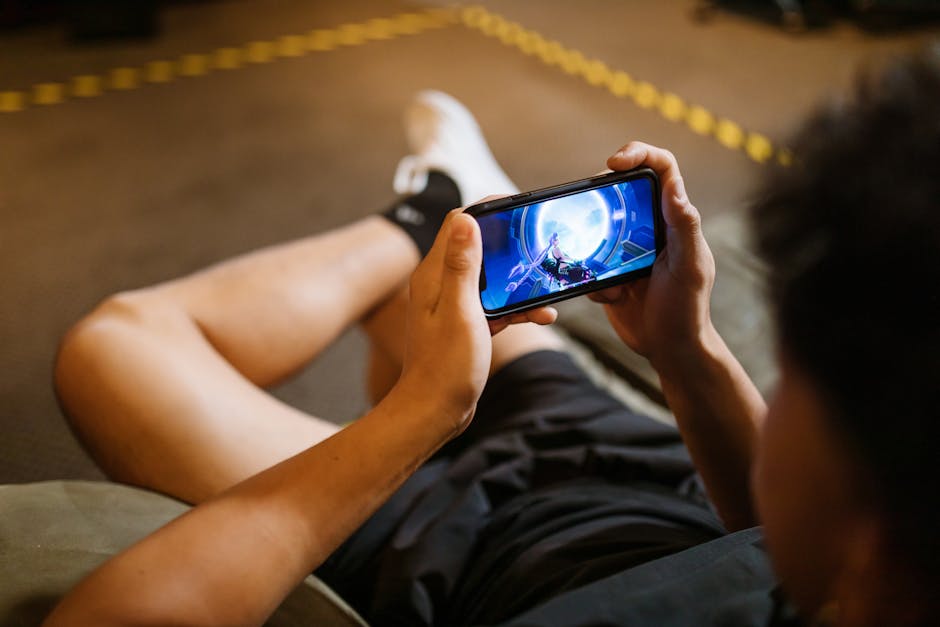
The launch of modern app stores in the late 2000s completely revolutionized the gaming industry. With a centralized platform for distributing software, developers could finally reach a massive, global audience with ease. This shift allowed for higher-quality games that could handle basic networking, opening the doors for the first wave of truly social mobile experiences.
Casual multiplayer games quickly gained massive traction during this period. Developers realized that the portability of the smartphone was the perfect medium for quick, asynchronous matches that fit into a busy day. This era proved that players were not just looking for solitary time-wasters; they were actively searching for ways to challenge friends and strangers alike.
Unpacking the History of Online Multiplayer Mobile Games
As hardware capabilities expanded, the scope of what developers could achieve grew alongside them. When examining the history of online multiplayer mobile games, this middle period stands out as the time when genre differentiation truly began to take root. We moved from simple puzzle games into complex genres that demanded synchronization, refined mechanics, and reliable internet connections.
Several key technical advancements were crucial during this transition phase for mobile multiplayer:
- The widespread adoption of 3G and later 4G LTE networks, which reduced latency to manageable levels for real-time play.
- Improved processor power and dedicated graphics hardware that allowed for smooth, consistent frame rates during intense action.
- The rise of standardized networking frameworks and cloud backend services, making it simpler for developers to integrate multiplayer features.
- The integration of social media platforms, enabling easier friend discovery and leaderboard sharing within the games themselves.

The Rise of Real-Time Competition
Once stable, fast connectivity became the standard, the competitive potential of mobile gaming skyrocketed. Developers began bringing complex genres like MOBAs (Multiplayer Online Battle Arenas) and tactical shooters to mobile, offering experiences that mirrored their desktop counterparts. This shift effectively broke the barrier between mobile and traditional console or PC gaming, proving that mobile devices were capable of hosting high-stakes, skill-based competition.
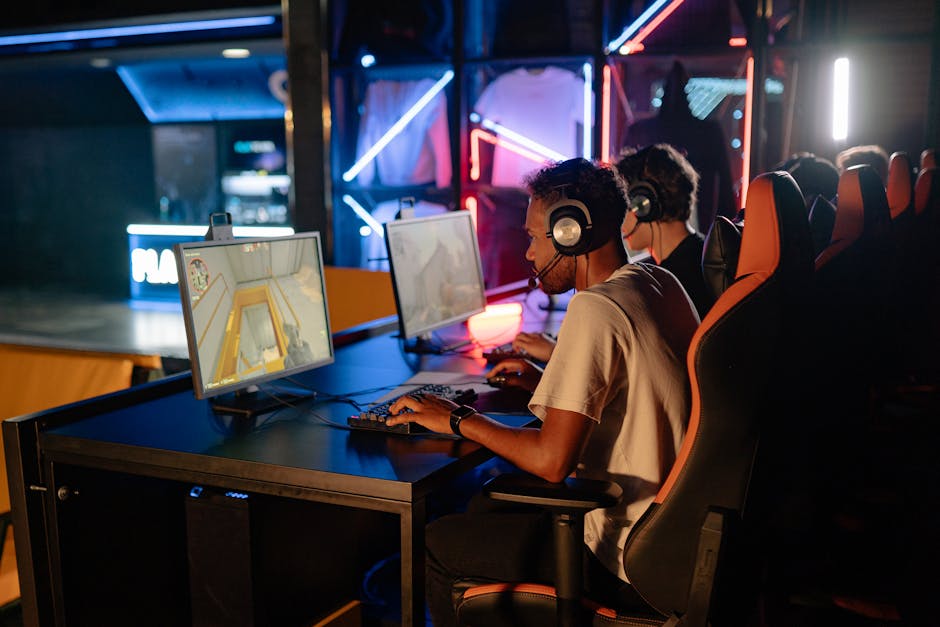
These games quickly evolved into full-fledged digital sports, or esports. The portability meant that players could train, compete, and stream from anywhere, fundamentally changing how competitive gaming was consumed. Dedicated communities formed around these titles, supported by robust ranking systems, professional tournaments, and a thriving ecosystem of content creators who kept the games relevant.
Modern Connectivity and Future Horizons
Today, mobile multiplayer games have reached a level of sophistication that few could have predicted just a decade ago. We now have massive, open-world battle royales where hundreds of players drop into a single map, interacting in real-time with zero noticeable lag. These environments have become more than just games; they are social platforms where players meet, hang out, and experience shared virtual events together.
Looking forward, the integration of new technologies promises to push the boundaries of what is possible even further. Augmented reality is already blending virtual elements with the physical world in multiplayer settings, while cloud gaming is set to remove hardware limitations entirely. The ongoing development of this sector ensures that our devices will remain central to how we play and interact with others in the digital age.
Final Insights on the Mobile Gaming Landscape
The rapid transformation of mobile gaming from basic utility to immersive, social connection has been truly remarkable. What we see today is a mature ecosystem that continues to innovate, prioritize player interaction, and demand high-performance experiences from hardware manufacturers. Understanding the progression of these games helps us appreciate the complexity behind the smooth, instant connection we now take for granted.
As mobile technology continues to advance, the distinction between mobile, console, and PC multiplayer will only continue to fade. The future of gaming will be increasingly platform-agnostic, with the mobile device serving as an essential gateway to global virtual communities. Whether through competitive esports or collaborative virtual spaces, the potential for shared mobile experiences is practically limitless.