How Multiplayer Pc Games Connect Players Worldwide
The Shift from Solitary Play to Digital Communities
Gaming was once seen as a solitary pursuit, something done alone in a basement or in small, local groups. However, the rise of high-speed internet and sophisticated server architecture has completely transformed this dynamic. Now, gamers can collaborate, compete, and converse with friends and strangers from every corner of the globe simultaneously.
The shared experience of achieving an objective or winning a match creates a unique bond. These interactions are no longer limited by physical proximity, allowing for the formation of friendships that span continents. Digital spaces have become just as real and impactful as physical ones, changing how we define friendship and collaboration.
How Multiplayer PC Games Connect Players Worldwide Through Infrastructure
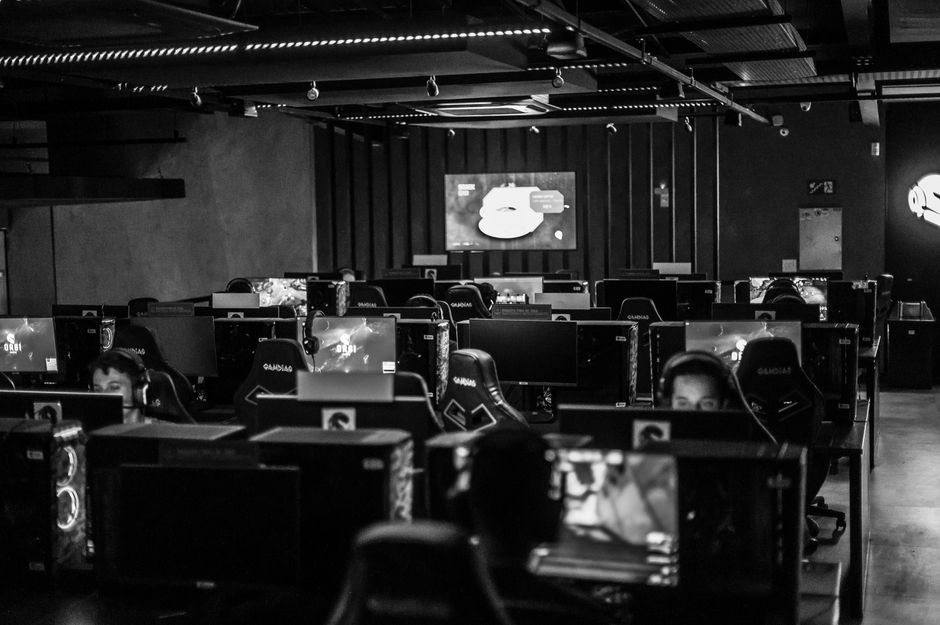
The backbone of this global connectivity lies in sophisticated server technology and networking protocols. When you launch a game, you are often connecting to regional or global data centers designed to minimize lag and ensure stability. This infrastructure allows developers to create seamless environments where data syncs in milliseconds, making the experience feel immediate regardless of the physical distance between users.
Matchmaking algorithms also play a crucial role in bringing people together. These systems analyze player skill levels, geographic locations, and language preferences to create balanced lobbies. By grouping like-minded players together, these games foster environments where competition is fair and communication is accessible, further strengthening the bonds between participants.
Building Meaningful Communities Beyond the Match
The connectivity in PC gaming extends far beyond the duration of a single match. Many titles incorporate robust clan, guild, or team systems that encourage long-term commitment and social investment. These structured organizations act as mini-communities, providing a sense of belonging and a dedicated space for players to interact, share strategies, and celebrate milestones.
These groups often branch out into other platforms, such as dedicated forums, chat servers, or social media pages. This transition from in-game interaction to external communication deepens the social aspect of gaming. It is common for players to spend hours outside of the actual gameplay simply chatting with their team members, proving that the game is often just the initial catalyst for deeper social connections.
Essential Tools for Real-Time Interaction
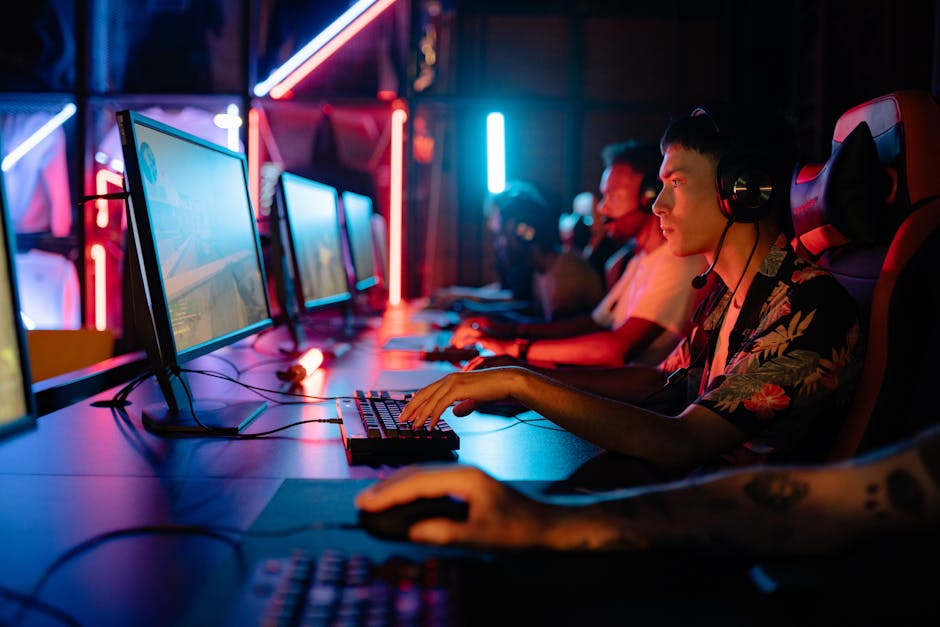
Modern gaming is heavily reliant on effective communication tools that allow players to coordinate complex strategies instantly. While voice chat is a staple feature in most titles, the ecosystem has expanded to include a variety of methods for conveying information quickly and clearly. This accessibility is essential for bridging gaps between players who may not even share a common language.
Several key features have become standard in multiplayer experiences to facilitate this connection:
- Integrated Voice Chat: Allows for fluid, real-time coordination during intense gameplay moments.
- Ping Systems: Provide a non-verbal way to highlight locations, enemies, or objectives without requiring a microphone.
- Emote Wheels and Radial Menus: Offer quick ways to signal emotions, status, or intent using pre-defined, universally understood icons.
- Text Chat Channels: Serve as a hub for both team-specific tactics and general conversation within a server.
Bridging Cultural Divides Through Shared Gameplay
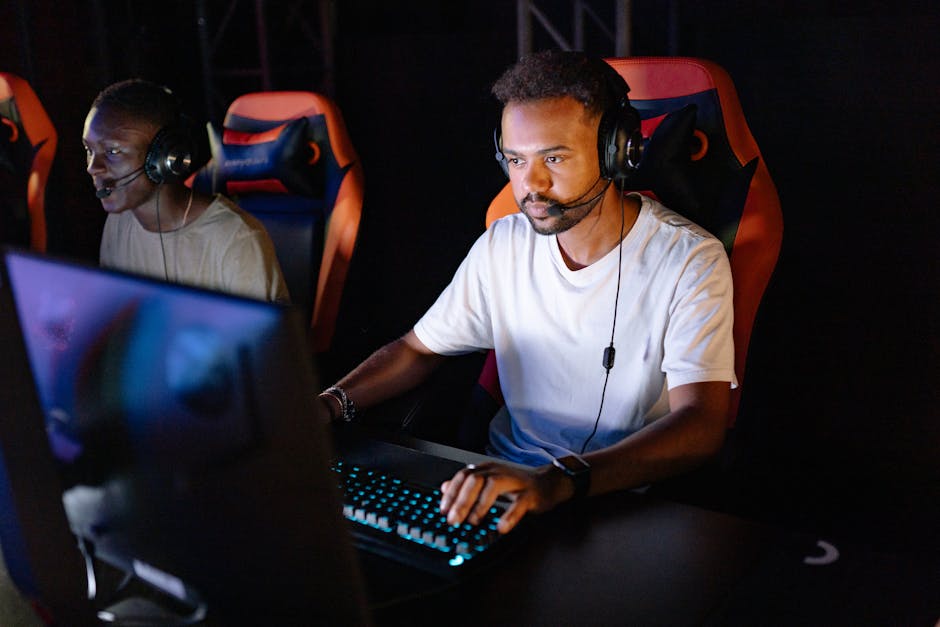
One of the most fascinating aspects of global gaming is the inadvertent cultural exchange that occurs within these digital spaces. When players from vastly different backgrounds come together to solve a puzzle, hold a defensive position, or execute a strategy, they must find ways to understand and respect each other's perspectives. This environment forces a level of cooperation that often transcends cultural or political differences.
Language barriers, while present, are often navigated with remarkable creativity. Players learn to communicate through game mechanics, shared jargon, and mutual understanding. This process builds empathy and breaks down stereotypes, as the shared goal of success in the game becomes more important than the individual's origin or background.
The Impact of Global Social Gaming
The social structure built around these experiences is arguably as significant as the games themselves. For many, these digital interactions provide a necessary outlet for social engagement, reducing feelings of isolation and providing a sense of community. The shared struggle against difficult encounters or the collective joy of victory creates memories that feel as genuine as any shared physical experience.
This social aspect has also fueled the growth of streaming platforms and content creation. When players share their experiences with a wider audience, they invite others to witness and participate in the community, further expanding the network. The ability to watch, learn, and comment on someone else’s journey is another layer of the global gaming phenomenon that continues to attract millions.
The Future of Connected Gaming
Looking ahead, the integration of new technologies promises to make these global connections even more immersive and seamless. Advancements in artificial intelligence and machine learning are poised to improve matchmaking and moderation, ensuring that communities remain positive and inclusive spaces. Furthermore, developments in virtual reality and augmented reality will likely push the boundaries of how we interact within digital spaces.
As network technology continues to improve, latency issues will decrease, allowing for even larger and more complex collaborative experiences. The line between digital and physical connection will continue to blur, making the global gaming community a central pillar of how people find, build, and maintain relationships. The capacity for these games to unite us is only just beginning to be fully realized.