Smartphone Camera Vs Dslr Cameras Which One Is Right For You
The Evolving Debate: Smartphone Camera vs DSLR Cameras
Choosing between a smartphone camera vs dslr cameras is a common dilemma for photographers today. With technology advancing rapidly, the gap between what you can capture on a pocket-sized device and what requires a dedicated camera has become increasingly complex to navigate. This decision depends less on which technology is objectively better and more on what you want to achieve with your images.
Every photographer has different goals, whether you are documenting family trips or pursuing professional fine art photography. Understanding the core strengths of both platforms is essential for making an informed choice that matches your personal creative vision. This guide explores the nuances of each to help you determine which tool fits your lifestyle.
Why Smartphone Cameras Have Become So Powerful
Modern mobile phones have revolutionized photography by placing high-quality imaging capabilities right in our pockets. They utilize advanced computational photography, which involves sophisticated algorithms that process images instantly to improve lighting, color, and clarity. This allows anyone to capture stunning shots in challenging conditions without needing to understand technical manual settings.
These devices excel at social media content, casual snapshots, and quick documentation because they are always with you. The convenience of being able to edit and share an image immediately from the same device used to capture it is a massive advantage. Many users find that this instant workflow is all they need to fulfill their creative desires.

The Unmatched Capabilities of DSLR Cameras
While smartphones are powerful, DSLR cameras offer a level of control and image fidelity that dedicated sensors can provide. By choosing a DSLR, you gain access to physical shutter buttons, precise dials for exposure settings, and an optical viewfinder that shows exactly what the lens sees. This tactile experience is preferred by many who enjoy the process of crafting an image manually.
These cameras are designed for longevity and reliability in demanding shooting environments. You are not just buying a piece of tech, but an entire system that can grow with your skills over many years. When you need high-resolution files that can be printed on large canvases, a dedicated camera remains the gold standard.
Sensor Size and Image Quality Differences
The most significant difference between these two technologies lies beneath the surface in the size of the image sensor. A DSLR camera features a much larger sensor, which allows it to capture more light and gather more detail, especially in low-light scenarios. This results in cleaner images with less digital noise and better dynamic range.
Smartphone cameras have come a long way, but they are still constrained by the physical size limitations of a thin phone body. While they use software to simulate the look of large sensors, they often cannot match the raw detail and nuanced color rendering of a dedicated system. For photographers who frequently shoot in dim environments or print their work, sensor size is a critical factor.
Lens Flexibility and Creative Control
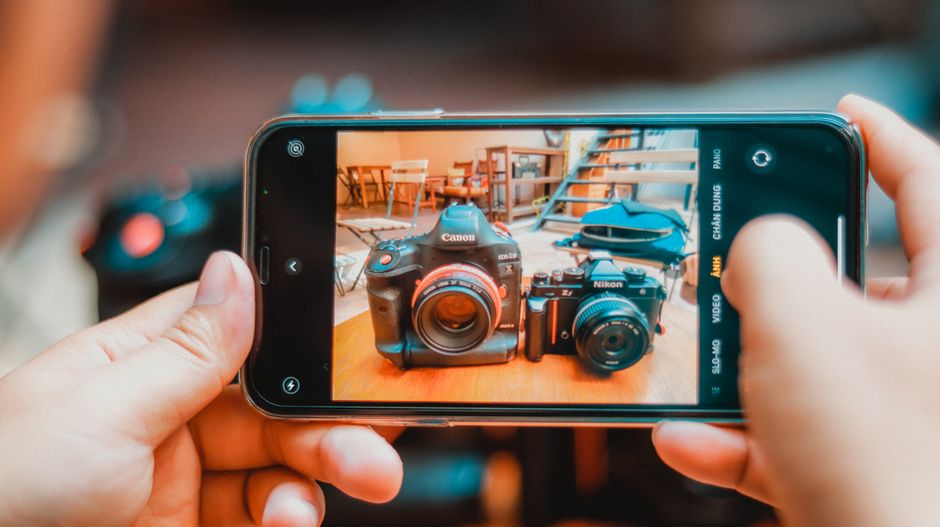
One of the biggest advantages of using a DSLR is the ability to swap lenses for different artistic effects. You can switch from a wide-angle lens for landscapes to a telephoto lens for wildlife, or a fast prime lens for portraiture, all within seconds. This versatility allows you to achieve specific visual looks that are impossible to replicate with a fixed phone lens.
Smartphones typically rely on multiple fixed lenses, which provides some versatility but lacks true optical zoom range and aperture control. While digital zoom and software-simulated bokeh have improved, they cannot compete with the natural depth of field and optical quality of high-end glass. If your photography requires specific focal lengths, a dedicated camera system is necessary.
Portability vs Dedicated Photographic Gear
Portability is where the mobile device clearly holds the advantage, making it the superior choice for travel and spontaneous daily use. You can capture memories without carrying heavy bags, additional lenses, or a tripod. For the vast majority of people, the best camera is simply the one they have with them.
On the other hand, the experience of using a DSLR is inherently intentional and focused. You must plan to carry the gear, protect it, and manage batteries and memory cards. For many, this extra effort is part of the joy, as it forces a slower, more deliberate approach to composing and creating images.

Choosing the Right Tool for Your Photography Needs
To help you decide, consider the type of photography you prioritize and the level of control you desire. Each platform offers unique benefits tailored to different user preferences and shooting environments.
- Smartphone camera: Ideal for daily snapshots, social media users, travellers who prefer light gear, and those who prioritize instant editing and sharing.
- DSLR camera: Best for aspiring professionals, enthusiasts who enjoy manual controls, photographers who need high-resolution prints, and those shooting sports or wildlife.
Making Your Final Decision
There is no rule that says you cannot use both systems for different purposes. Many professional photographers carry a dedicated camera for serious shoots while keeping a high-end smartphone for casual documentation or quick social posts. The most successful approach is to identify which limitations you are willing to accept and which features are truly necessary for your work.
Evaluate how you typically use your images and where you want your photography to go in the future. Once you understand whether your priority is absolute convenience or maximum technical control, the right choice for your gear becomes clear. Focus on the tool that empowers you to keep shooting, as that is the most important part of any creative journey.