How Competitive Mobile Gaming Evolved
The Shift From Pocket Games to Global Esports
Not long ago, a mobile phone was simply a tool for making calls or sending text messages. Occasionally, you might have passed time with a basic puzzle game during a commute. However, as hardware capabilities surged, the way competitive mobile gaming evolved has truly transformed how we define professional play, turning our smartphones into powerful arenas for intense competition.
This transformation did not happen overnight. It was driven by a convergence of better technology, faster internet, and a massive shift in player demographics. Today, mobile titles command the same respect and viewership as their desktop counterparts, proving that size does not dictate the intensity of the experience.
The Humble Origins of Mobile Play
Many players remember the early days of mobile gaming defined by simplicity. Titles like Snake or early versions of Tetris were the main attractions, focusing primarily on high-score chasing rather than direct interaction. These games were designed to be played in short bursts rather than sustained, multi-hour sessions.
Because these early devices lacked significant processing power and relied on physical keypads, true multiplayer competition was nearly impossible. Players were mostly competing against their own best times or the records of friends on the same device. It was an era of casual entertainment rather than high-stakes rivalry.

The Hardware Leap That Changed Everything
The introduction of sophisticated touchscreens and high-performance mobile processors served as the catalyst for change. Manufacturers began prioritizing graphics processing units and thermal management, allowing phones to handle complex 3D environments that were previously restricted to consoles. This technological bridge made it possible for developers to port deeper, more complex game mechanics to mobile.
High-refresh-rate displays and tactile feedback features further enhanced the experience for serious gamers. Suddenly, precision input was possible, and the visual quality became sharp enough for detailed gameplay. This hardware improvement allowed developers to create games that demanded skill, strategy, and rapid reaction times from the player.
Connectivity: How Competitive Mobile Gaming Evolved
As 4G and later 5G networks became standard, mobile devices gained the ability to maintain the stable, low-latency connections required for real-time multiplayer. This shift meant that players across the world could engage in intense, simultaneous battles without the frustration of lag. Competitive mobile gaming evolved into a truly global phenomenon because players were finally able to connect reliably.
Low latency is the lifeblood of competitive play, as even milliseconds of delay can determine a win or a loss. With robust network infrastructure, mobile games could finally support fast-paced, high-stakes modes like team-based combat. This connectivity erased geographical barriers, making the mobile platform just as viable for professional competition as a wired desktop PC.
Genre Adaptations and New Standards
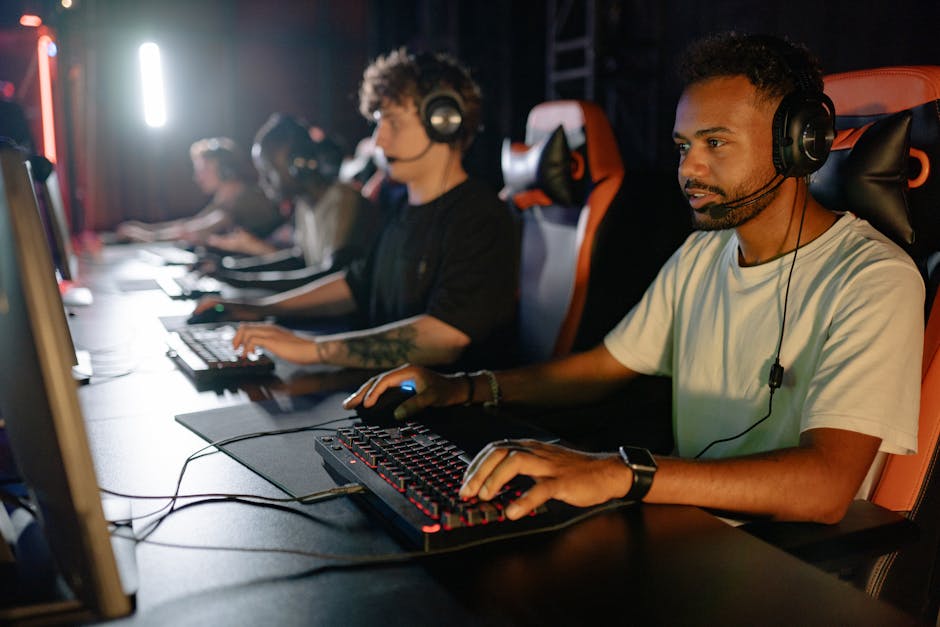
Developers quickly recognized the potential of this new landscape and began adapting popular genres for mobile devices. The Multiplayer Online Battle Arena (MOBA) and Battle Royale genres became the pioneers of this movement, demonstrating that complex systems could be effectively controlled through intuitive touch interfaces.
These games were not merely simplified versions of existing titles but were designed from the ground up for mobile play. They introduced specific innovations:
- Streamlined UI controls to manage complex character abilities without cluttering the screen.
- Optimized matchmaking systems that ensure balanced skill-based competition.
- Integrated voice and chat tools that facilitate effective team communication during matches.
The Power of Accessibility and Global Reach
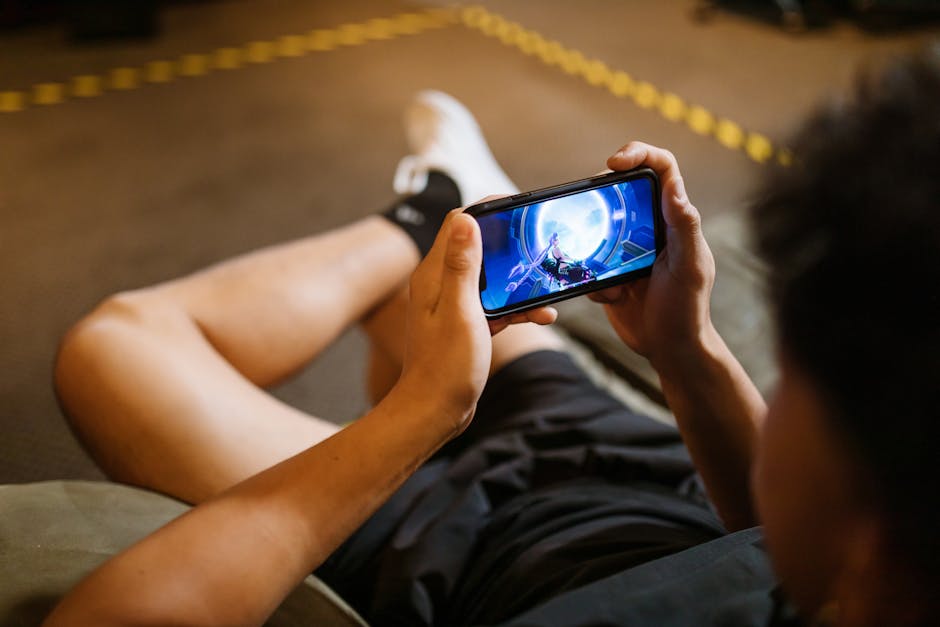
Perhaps the most significant driver of mobile esports is accessibility. Unlike high-end PC gaming, which requires a substantial financial investment in hardware, almost anyone with a smartphone can participate. This low barrier to entry allowed a massive, diverse player base to engage with competitive titles, particularly in emerging markets.
This accessibility has fostered the growth of massive communities, creating a talent pool that spans continents. Because millions of people have the necessary hardware in their pockets, the talent density is incredibly high. This broad foundation has naturally fueled the rise of professional circuits, as the best players now have a clear path from casual play to stardom.
Building the Esports Ecosystem
As the player base grew, the infrastructure surrounding mobile gaming matured rapidly to support professional ambitions. Major game publishers began investing heavily in regional and international leagues, offering substantial prize pools that rivaled traditional esports events. This commitment from publishers signaled that mobile platforms were no longer a secondary concern, but a primary focus for long-term growth.
Professional teams and organizations followed suit, signing mobile talent and developing dedicated training facilities. The emergence of mobile-specific streaming stars and commentators has further solidified the culture, creating a professional environment where players can treat competition as a full-time career. This infrastructure ensures that the competitive scene remains sustainable and professional.
The Future Landscape of Mobile Competition
Looking ahead, the next phase of development centers on deeper integration with cloud gaming and augmented reality. Cloud solutions promise to remove hardware limitations entirely, allowing even more complex games to be streamed to modest devices. These innovations will likely continue to push the boundaries of what is possible in a mobile environment.
As the technology continues to advance, the distinction between mobile and desktop competition will blur further. We are heading toward a future where professional gaming is truly platform-agnostic, defined by player skill and strategic depth rather than the device itself. The journey so far has been transformative, and the potential for further innovation in the mobile competitive space remains massive.