How Hypersonic Missiles Are Challenging Current Global Defense Systems Today
Hypersonic Missiles: The New Era of Speed
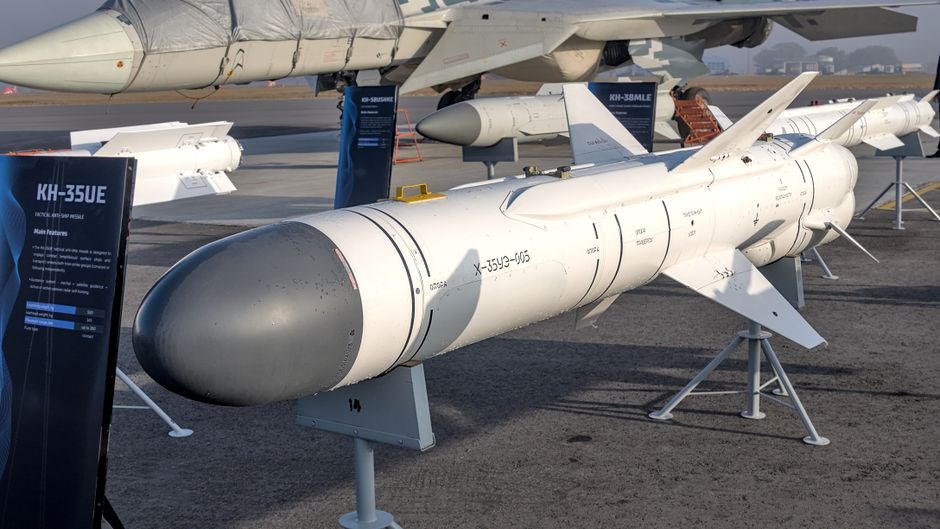
Hypersonic missiles are fundamentally changing the military landscape faster than most defense analysts predicted just a decade ago. These weapons, capable of traveling at speeds exceeding Mach 5, offer a unique combination of velocity and unpredictable flight paths that make them incredibly difficult to track. Nations around the globe are now scrambling to adjust their security postures to counter this new reality, as the traditional defenses meant to shield borders are increasingly being rendered obsolete.
Understanding why these systems represent such a severe challenge requires looking past the raw speed to the underlying physics and tactical advantages they provide. This shift is not just about moving faster, but about changing the nature of how air defense systems must identify, track, and ultimately engage targets. The leap in capability is so significant that it has triggered a frantic technological arms race among major global powers.
Challenging Traditional Radar Detection
Traditional radar systems were designed primarily to detect aircraft and cruise missiles that follow relatively predictable, linear flight paths. Because hypersonic missiles operate within the atmosphere, they create a plasma sheath that can interfere with traditional sensor technology. This makes it challenging for legacy radar arrays to lock onto them effectively, creating a major vulnerability for existing national security networks.
Furthermore, because these weapons can maneuver during their flight, they do not follow the ballistic trajectories of traditional intercontinental ballistic missiles. By constantly adjusting their path, they deny defense systems the ability to calculate a precise interception point. This maneuverability ensures that defenders are constantly chasing a moving target that is already outpacing their tracking capability.
The Shrinking Decision-Making Window
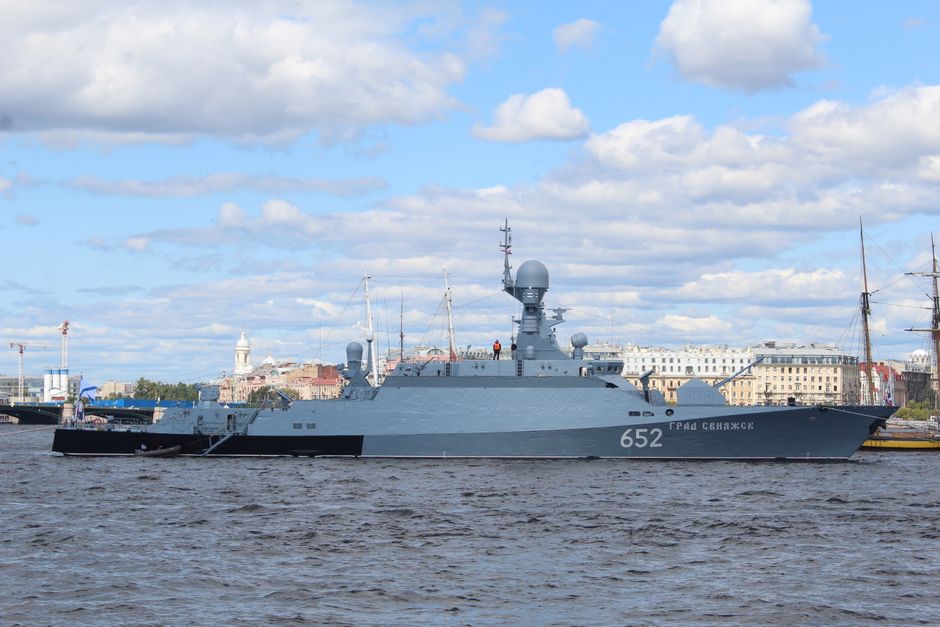
The core danger posed by hypersonic weaponry is the massive reduction in the time available for a target nation to react. When a threat arrives at hypersonic velocity, the period from initial detection to potential impact is compressed into just minutes or even seconds. This forces commanders to make life-or-death decisions without the luxury of time to verify data or consider complex tactical responses.
This shortened engagement window effectively forces nations to consider automated response systems, which introduces significant risks. The pressure to act quickly increases the likelihood of human or technical errors in a high-stakes environment where miscalculations could lead to unintended escalation. Reliance on rapid-fire automated defenses is becoming a necessity, yet this dependency introduces its own set of technical and strategic vulnerabilities.
Why Current Defense Batteries Struggle
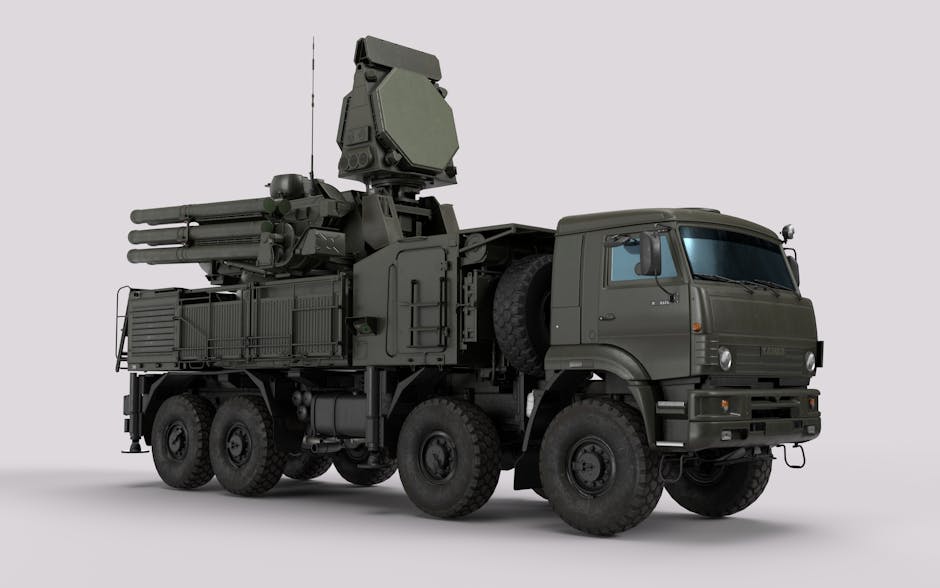
Most modern air defense batteries, such as the Patriot or THAAD systems, were engineered to intercept ballistic missiles that descend along known, parabolic arcs. Hypersonic platforms operate at altitudes and speeds that frequently fall between the coverage zones of these different defense layers. This gap in the defensive net means that many current systems are simply not capable of intercepting these threats.
Upgrading these existing batteries to handle hypersonic threats involves significant technical hurdles and high financial costs. Simply trying to intercept a hypersonic vehicle is often described as trying to hit a bullet with a smaller bullet, but with the added complexity of the target maneuvering. The sheer energy required to intercept such a target, combined with the tracking challenges, makes traditional kinetic interceptors less effective than in previous decades.
Geopolitical Implications and Regional Stability
The introduction of these weapons is fundamentally altering the balance of power, as they can neutralize conventional deterrence strategies. Smaller or regional powers that feel threatened by larger neighbors are increasingly interested in acquiring hypersonic technology to act as an equalizer. This democratization of high-speed delivery systems makes regional security environments more volatile and unpredictable.
Arms control experts are deeply concerned that the speed and unpredictability of these weapons make them attractive candidates for carrying nuclear warheads. Because it is often impossible to distinguish between a conventional and nuclear hypersonic launch in the opening minutes of an engagement, the risk of misinterpretation is dangerously high. This uncertainty creates a fragile strategic climate where nations feel compelled to adopt use-it-or-lose-it postures to ensure their own survival.
How Nations Are Responding to the Threat
Major military powers are investing heavily in a variety of new technologies to close the gap that these weapons have created in their defenses. The approach is multifaceted, focusing on both detection and active interception strategies. Some of the key initiatives currently being developed or explored include:
- Space-based sensor layers designed to maintain constant tracking of missiles even when they maneuver.
- Development of directed-energy weapons, like high-powered lasers, to attempt to disable incoming missiles.
- Advanced interceptor projects that aim to engage threats earlier in their flight trajectory.
- Artificial intelligence integration to rapidly process sensor data and assist in the decision-making process.
While these defensive measures are promising, they are still in the developmental or early deployment stages. The challenge remains to scale these solutions effectively and integrate them into existing, highly complex national defense infrastructures. It is clear that the arms race is far from over, and the race to build better defenses will likely continue for the foreseeable future.