How Logistics And Mechanized Supply Lines Supported Long Term Campaigns
The Invisible Foundation of Every Long-Term Campaign
Wars are won by soldiers, but they are sustained by what follows them. For decades, military planners have recognized that speed and sustained engagement are only possible with robust, reliable infrastructure. This is where mechanized supply lines became the backbone of modern military success, transforming how armies approach long-term campaigns by ensuring the constant flow of critical resources.
Without these sophisticated systems, even the most formidable forces would quickly find themselves paralyzed. The ability to push deep into hostile territory relies entirely on the capacity to replenish food, ammunition, and fuel over vast distances. Understanding this mechanism is essential for anyone interested in the realities of how modern conflicts are actually managed on the ground.
From Horse-Drawn Wagons to Modern Convoy Systems
Before industrialization, armies were strictly limited by their environment and the speed of their pack animals. Soldiers were forced to forage off the land, which severely restricted their movement and dictated the pace of their operations. If you could not find enough food or water in your immediate surroundings, your campaign ended abruptly.
The introduction of motorized transport fundamentally altered these dynamics, allowing commanders to bypass the limitations of local resources. Heavy trucks and dedicated train networks replaced the slow, vulnerable horse-drawn wagons of the past. This change meant that supply could now follow the army at nearly the same speed as the combat units themselves, rather than lagging weeks behind.
How Mechanized Supply Lines Enable Operational Momentum
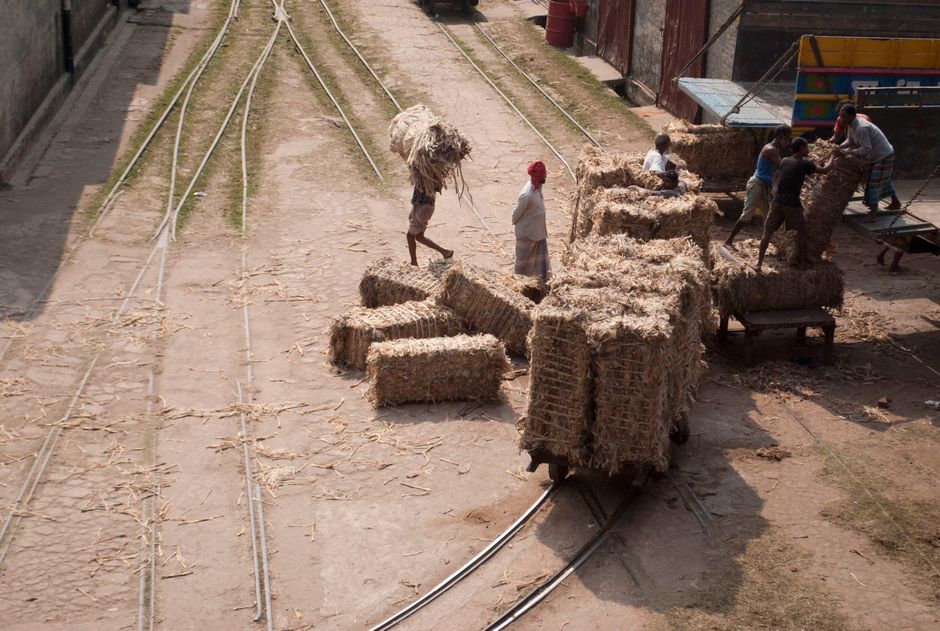
The true power of mechanized supply lines lies in their ability to maintain operational momentum. When an army moves rapidly, it consumes resources at an accelerated rate that exceeds the capacity of traditional, slower methods of delivery. Mechanized transport ensures that ammunition, spare parts, and essential sustenance reach the front lines before they are desperately needed.
By preventing stagnation, these systems allow commanders to push further and faster than previously thought possible. A stalled force is a vulnerable force, and mechanized logistics act as the persistent pressure that keeps the campaign moving forward. This continuity of supply is often the deciding factor in whether a breakthrough becomes a decisive victory or a costly error.
Fuel Management as a Strategic Priority
While food and ammunition are vital, the entire apparatus of modern war is built upon the consumption of fuel. It is not just about what you move, but about what powers the moving in the first place. Consequently, fuel management quickly became a highly technical and demanding science within the logistical command structure.
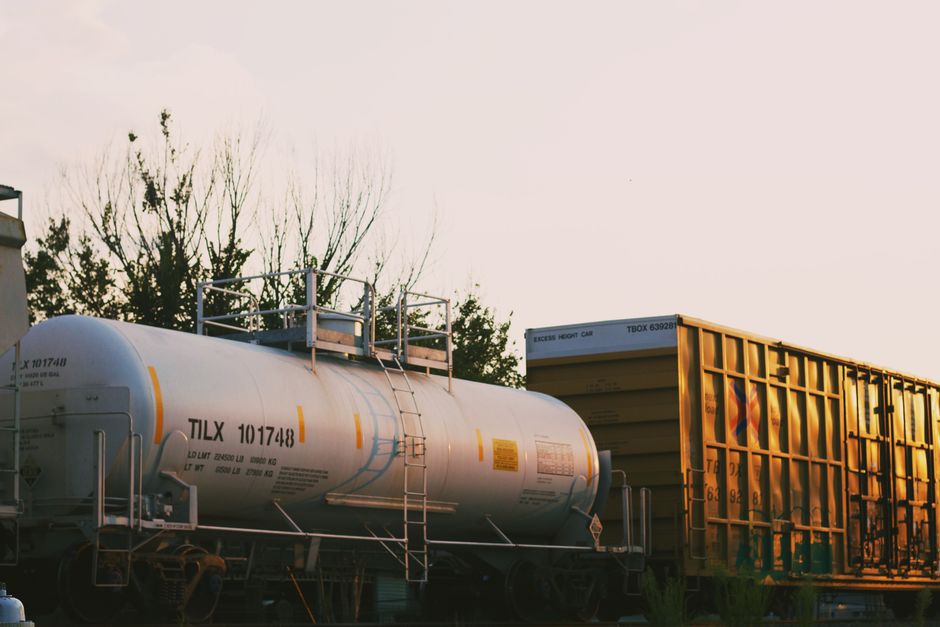
Large-scale campaigns require a near-constant pipeline of petroleum products, managed by specialized vehicles and pumping stations. Planners must calculate consumption rates with incredible precision, anticipating the needs of thousands of vehicles across difficult terrain. If this pipeline breaks, even the most capable mechanized force will grind to a halt within days, turning a high-speed advance into a logistical nightmare.
Maintenance Cycles and Operational Tempo
Operating heavy machinery at high speeds over long periods naturally leads to frequent mechanical failures. A robust logistics tail includes far more than just transport; it requires dedicated support for maintenance, repair, and recovery. If a breakdown occurs in the middle of hostile territory, the ability to quickly repair or replace the asset is what keeps the campaign alive.
Mechanized supply networks often include mobile repair teams and heavy recovery vehicles designed to handle the inevitable wear and tear of intense operations. These support elements must be integrated into the movement plan just as tightly as the combat units. Without this focus on upkeep, the effectiveness of the mechanized force will rapidly diminish due to simple mechanical exhaustion rather than enemy action.
Pushing Boundaries with Strategic Depth
The integration of mechanized support provides commanders with a level of strategic depth that was historically impossible to achieve. An army is no longer anchored to a single location or a specific supply base that must remain close to the front. This allows for bold, sweeping maneuvers that can catch opponents completely off guard.
By creating a flexible, mobile network, forces can operate over thousands of miles, striking deep into enemy territory without fear of being cut off from their essential requirements. The logistical network itself becomes a dynamic, shifting map that follows the force, ensuring that the distance from the supply source does not dictate the limit of ambition. This newfound reach effectively rewrote the rules of operational planning.

Key Elements of Industrialized Logistics
Successful logistical operations in long-term campaigns rely on a combination of technology, personnel, and planning. While the specific equipment changes, the fundamental requirements for sustaining a large force over time remain consistent across different conflicts.
- Standardization of equipment ensures that spare parts are interchangeable across a large fleet, simplifying repair efforts significantly.
- Predictive modeling allows planners to estimate consumption rates before the campaign begins, ensuring enough supplies are positioned in advance.
- Dedicated security for transport convoys is essential to prevent enemy interference with critical supply routes and infrastructure.
- Adaptive routing provides the flexibility to change delivery paths quickly in response to shifting battlefronts or damaged road networks.
Lessons Learned from Modern Warfare
The history of large-scale conflicts highlights that logistical failure is often the primary cause of campaign collapse. Even if the combat forces are superior, they cannot win if they cannot be sustained, fed, or armed. The shift toward mechanized, industrial-scale support systems proved that the most important weapon is often the one that brings fuel and ammunition to the front.
Modern planners continue to study these lessons, knowing that the principles of efficiency, speed, and reliability are timeless. Whether it is through advanced predictive algorithms or improved vehicle technology, the core challenge remains the same. A campaign is only as strong as its ability to keep everything moving, from the first day to the last.