How Mobile Graphics Technology Improved In Games
The Pocket-Sized Transformation
Gaming has undergone a massive shift, moving away from desktop setups to the devices we carry in our pockets every single day. The rapid advancement of mobile graphics technology has enabled developers to bring console-quality experiences to smartphones and tablets that were once unimaginable just a decade ago. It is truly remarkable to witness how these devices have become powerful gaming platforms capable of rendering complex, detailed environments with stunning fidelity.
Players now expect highly detailed textures, realistic lighting, and smooth frame rates regardless of the device they use. This shift has not happened overnight but is the result of years of iterative hardware improvements and software innovations. Understanding this evolution helps us appreciate the engineering marvel that sits right in the palm of our hands.
From Basic Pixels to Immersive Worlds
In the early days of mobile gaming, experiences were limited by severely restricted processing power and small, low-resolution screens. Developers were forced to rely on simple 2D sprites, basic geometric shapes, and restricted color palettes to ensure games ran smoothly on early feature phones. These titles were often brief and lacked the depth, narrative complexity, or visual flair found in modern mobile games.
As hardware capabilities expanded, so did the ambition of game designers. The jump from rudimentary pixel art to early 3D models represented a significant turning point, allowing for more dynamic gameplay and depth perception. This era laid the necessary groundwork for the visually ambitious projects that would eventually define the current mobile gaming landscape.
The Smartphone Hardware Shift
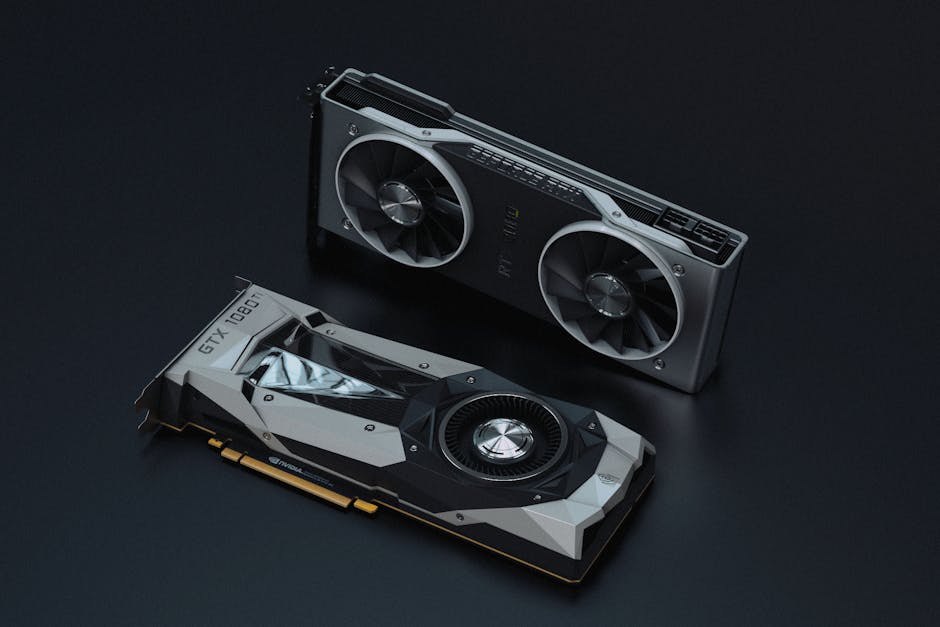
The introduction of powerful smartphones was the definitive catalyst for this graphical evolution. Manufacturers began prioritizing high-performance chipsets, integrating sophisticated graphics processing units (GPUs) directly into the system-on-a-chip (SoC) architectures. This hardware-level focus ensured that mobile devices could handle increasingly intense calculations required for complex 3D rendering and shading.
Furthermore, the rapid improvement of display technology complemented these hardware upgrades significantly. The rise of high-resolution, high-refresh-rate screens made it easier for players to notice subtle visual details, textures, and fluid animations. This synergy between powerful internal hardware and vibrant, clear displays turned the smartphone into a truly formidable gaming device.
Advancements in Mobile Graphics Technology
Modern mobile graphics technology is defined by its ability to emulate techniques once reserved exclusively for high-end PCs and consoles. Techniques like real-time shadowing, global illumination, and sophisticated particle systems are now staples in top-tier mobile titles. Developers are using these tools to craft environments that feel alive, responsive, and deeply immersive.
This leap forward is supported by several critical components that allow developers to push the boundaries of what is visually possible on mobile:
- Dedicated GPUs: Modern chipsets include high-performance graphics cores that handle complex rendering tasks with incredible speed.
- Unified Memory Architectures: This setup allows the GPU and CPU to share memory more efficiently, reducing bottlenecks during intense gaming sessions.
- Advanced Shaders: New programming standards enable the creation of realistic materials, such as water reflections, metal surfaces, and skin textures.
- High-Bandwidth Memory: Faster data transfer rates ensure that high-resolution textures load quickly, maintaining visual consistency while moving through large game worlds.

The Role of Game Engines
Game engines have played a crucial, often behind-the-scenes role in democratizing access to high-end visuals. Platforms like Unity and Unreal Engine have tailored their workflows specifically for mobile platforms, providing developers with pre-built tools that handle complex rendering calculations automatically. These engines act as a bridge, translating high-level design concepts into optimized machine code that runs efficiently across a wide variety of devices.
By abstracting the technical complexities of hardware interaction, these engines empower developers to focus on creativity rather than low-level optimization. Developers can leverage robust lighting solutions, physics simulations, and animation tools that look great out of the box. This has significantly reduced the barriers to entry, allowing both indie studios and major publishers to create visually impressive titles for mobile users.
Artificial Intelligence and Upscaling
Artificial Intelligence is now actively shaping how we perceive graphics on mobile devices. Through techniques similar to those used in desktop DLSS or FSR, mobile games can now render at lower native resolutions and then use AI to intelligently upscale the image in real-time. This approach provides the visual clarity of higher resolutions while maintaining the high frame rates essential for an enjoyable gaming experience.
This method also helps manage battery life and thermal output, which are constant challenges for mobile devices. By intelligently upscaling frames, the hardware doesn't have to work as hard to render every single pixel natively, which allows for longer play sessions. It is a clever, necessary compromise that maximizes visual quality without overloading the device's hardware constraints.

Cloud Gaming and the Future
The next major leap in mobile visuals is arguably not happening on the device itself, but through the power of cloud gaming. By offloading the intense rendering work to powerful remote servers and streaming the result to the mobile device, developers can provide visuals that are entirely untethered from local hardware limitations. This technology ensures that even older devices can display the most demanding, cutting-edge graphics available today.
The future of mobile gaming looks bright, characterized by increasingly blurrier lines between what is possible on a phone versus a dedicated gaming machine. As internet infrastructure improves and 5G connectivity becomes more reliable, streaming high-fidelity games will become a standard experience for mobile players. We are moving toward a world where graphical limitations are disappearing, replaced by a seamless and visually stunning experience everywhere we go.