How Smartphone Systems Maintain Software Stability
The Unseen Engineering Behind Your Smartphone's Smooth Operation
We rely on our smartphones for nearly everything these days – communication, navigation, entertainment, work. But have you ever stopped to wonder how these complex little supercomputers manage to keep running smoothly, day in and day out, despite juggling dozens of apps and constant demands? It's not magic; it's the result of sophisticated engineering designed to maintain peak performance and prevent frustrating crashes. Let's delve into how smartphone systems maintain software stability and deliver that consistent, reliable experience we've all come to expect.
Behind every tap, swipe, and notification lies a robust framework meticulously built to handle incredible complexity. From the moment you power on your device, numerous layers of software are working in harmony, anticipating potential issues and correcting them before they ever impact your user experience. This continuous effort ensures your phone remains responsive and dependable.
The Foundation: Robust Operating System Architecture
At the heart of every smartphone is its operating system (OS), whether it's Android or iOS. This OS acts as the brain, managing all hardware resources and providing a platform for applications to run. It's designed with inherent stability in mind, employing techniques like memory protection to prevent one faulty program from corrupting another.
Modern smartphone operating systems utilize a kernel, the core component that acts as a bridge between applications and hardware. This kernel is responsible for critical tasks such as process scheduling, memory management, and device drivers. A stable kernel is paramount for overall system reliability, ensuring that basic phone functions remain operational even under heavy load.
Regular Updates: The Unsung Heroes of Stability
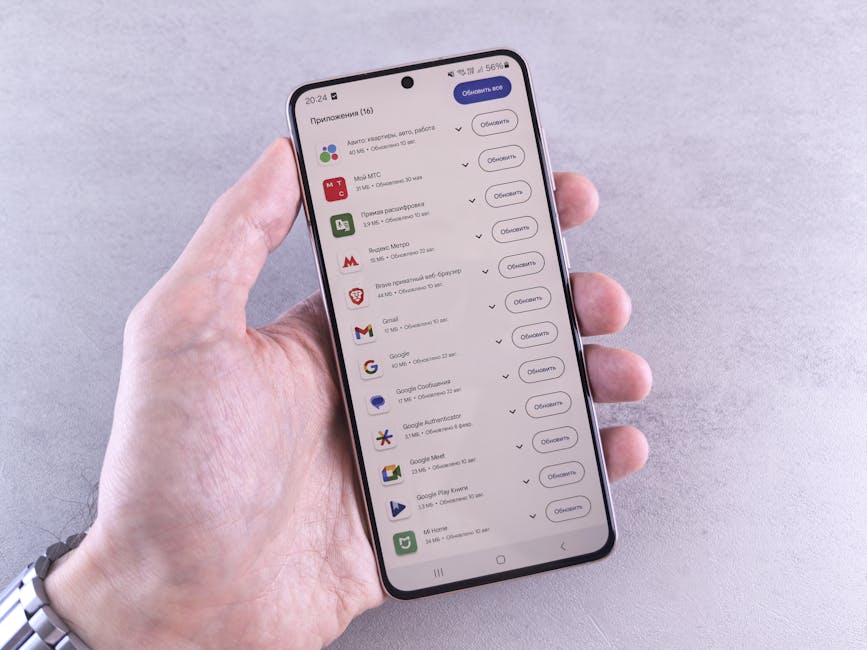
Those software updates that pop up on your screen are far more than just new features or interface tweaks. They are crucial for maintaining software stability and security. These updates often contain vital bug fixes that address glitches, crashes, and performance issues discovered after the initial release.
Beyond fixing existing problems, updates also introduce security patches that protect your device from emerging threats and vulnerabilities. By regularly patching potential exploits, manufacturers ensure that malicious software has a harder time destabilizing your system or compromising your data. Keeping your device updated is one of the easiest ways to ensure continued reliability.

Application Isolation and Sandboxing: Keeping Apps in Their Own Lanes
Imagine if one faulty app could crash your entire phone, causing you to lose important data or miss critical calls. This scenario is largely prevented by a powerful technique called sandboxing or application isolation. Each app operates within its own secure, isolated environment.
This means that an error or crash within one application is contained within its own "sandbox" and cannot directly affect the operating system or other running apps. The OS meticulously controls what resources each app can access, preventing rogue applications from hogging all your phone's memory or CPU, thus safeguarding overall system stability.
Clever Memory Management and Resource Allocation
Smartphones have finite resources, especially RAM and battery life, which need to be managed efficiently to prevent slowdowns and crashes. Your smartphone's OS is constantly performing a complex juggling act, allocating memory and processing power to active applications while also managing background processes.
When an app is no longer in active use, the OS might suspend it or even terminate background processes to free up resources for what you're currently doing. This intelligent resource management prevents your phone from becoming sluggish or unstable when multiple applications are open. The system prioritizes foreground activities to ensure a smooth, responsive user experience.
Error Handling and Crash Reporting: Learning from Failures
Even with the most robust systems, applications can sometimes encounter unforeseen issues and crash. When this happens, modern smartphone systems don't just give up; they employ sophisticated error handling mechanisms. An app might "force close" gracefully, minimizing impact on the rest of the system.
Crucially, many systems include anonymous crash reporting features. When an app crashes, data about the incident (without personal identifying information) can be sent back to the developer and OS manufacturer. This vital feedback loop helps engineers identify patterns, diagnose root causes, and develop fixes for future software updates, continuously improving overall device reliability.
Rigorous Testing and Quality Assurance Before Launch
The smooth operation of your smartphone isn't accidental; it's the result of immense effort in testing and quality assurance before the device or software ever reaches your hands. Manufacturers and software developers put their products through an exhaustive series of tests to catch bugs and performance issues.
This includes:
- Internal Alpha Testing: Early versions of software are tested extensively by developers themselves.
- Closed Beta Testing: A select group of trusted users tests the software in real-world scenarios, providing valuable feedback.
- Public Beta Programs: Larger groups of eager users try out upcoming versions, helping to uncover obscure bugs on a wider range of hardware configurations.
- Automated Testing: Scripts run millions of simulations to check for stability under various conditions.
Smart Optimizations and Adaptive Performance
Beyond merely fixing bugs, smartphone systems are constantly evolving to proactively maintain stability and performance over time. This includes smart algorithms that learn your usage patterns and adapt resource allocation accordingly. For example, your phone might learn which apps you use frequently and keep them primed for quick launch, while aggressively limiting background activity for rarely used ones.
Battery optimization features also contribute to system stability by managing power consumption, which in turn reduces the likelihood of resource starvation or overheating that could lead to instability. These adaptive performance features work silently in the background, ensuring your device remains responsive and stable even as it ages and as you install more applications.
Ultimately, the consistent reliability of our smartphones is a testament to continuous innovation and meticulous engineering. From foundational OS design to intelligent resource management and tireless quality assurance, every aspect is geared towards delivering a stable and dependable user experience. So, the next time your phone performs flawlessly under pressure, remember the incredible unseen work that makes it all possible.