The Difference Between Rasterization And Ray Tracing
The Core Difference Between Rasterization and Ray Tracing
Ever wondered why modern video games look so incredibly realistic one moment, then slightly flat the next? The secret often lies in the rendering techniques powering those visuals. To understand how our digital worlds are built, we need to dive into the core differences between rasterization and ray tracing. These two distinct methods fundamentally change how light and objects appear on your screen, and knowing the difference helps you understand what your hardware is actually doing.
Rendering is essentially the process of taking 3D data and converting it into a 2D image. Imagine it like a digital artist working on a canvas, but instead of paint, they use mathematical formulas to calculate color and light. While both methods aim to create stunning visuals, they take drastically different paths to get there.
One method is fast and efficient, while the other is slow but breathtakingly accurate. Choosing between them—or balancing both—is the main challenge developers face today. Let's break down how these technologies work and why they matter to your gaming experience.
Understanding How Rasterization Works
Rasterization has been the backbone of video game graphics for decades. It works by taking 3D models made of triangles and projecting them onto your 2D screen. It is incredibly fast because it focuses primarily on what is visible to the camera, rather than simulating every single light source in a scene.
Think of it like tracing the outline of an object on a window pane. The graphics card determines which pixels on your monitor correspond to the triangles forming the objects. It quickly calculates the colors for those pixels based on textures and basic lighting data, effectively painting the scene in real-time.
Because it skips complex calculations, rasterization allows for smooth, high-frame-rate gameplay. However, it struggles to handle advanced lighting effects like soft shadows, complex reflections, or realistic light bounces, which is where its limitations become apparent.
Diving Into Ray Tracing Technology
Ray tracing takes a completely different approach by simulating the physical behavior of light. Instead of just projecting shapes onto a screen, it traces the path of individual light rays as they interact with objects in a 3D environment. This method mimics the way eyes perceive light, resulting in unparalleled realism.
When a ray of light hits a surface, the computer calculates how it bounces, reflects, or refracts based on the material's properties. It determines whether the ray hits a light source, creates a shadow, or gets blocked by another object. This level of detail makes scenes look incredibly lifelike, especially when handling reflections in water or mirrors.
Because this process requires tracking millions of light rays simultaneously, it is extremely computationally expensive. While it provides the highest quality visuals, it historically could not be done in real-time, requiring long rendering times for movies and static 3D scenes.
Comparing Performance and Visual Quality
The trade-off between these two methods is stark. Rasterization offers speed and efficiency, making it the perfect choice for competitive gaming where high frame rates are essential. It provides a solid, reliable baseline for most games, even if the lighting sometimes feels a bit simulated or artificial.
Ray tracing, by contrast, prioritizes accuracy above all else. It creates lighting that feels natural because it is calculated based on physics. When you see a character's face reflected accurately in a glass window, or light casting a soft, diffuse shadow, that is the power of ray tracing in action.
The primary drawbacks and benefits can be summarized as follows:
- Rasterization is highly efficient, allowing for high frame rates on a wide range of hardware.
- Ray tracing provides realistic light, shadows, and reflections that are nearly impossible to achieve otherwise.
- Rasterization often requires "faking" lighting effects with pre-calculated light maps or screen-space techniques.
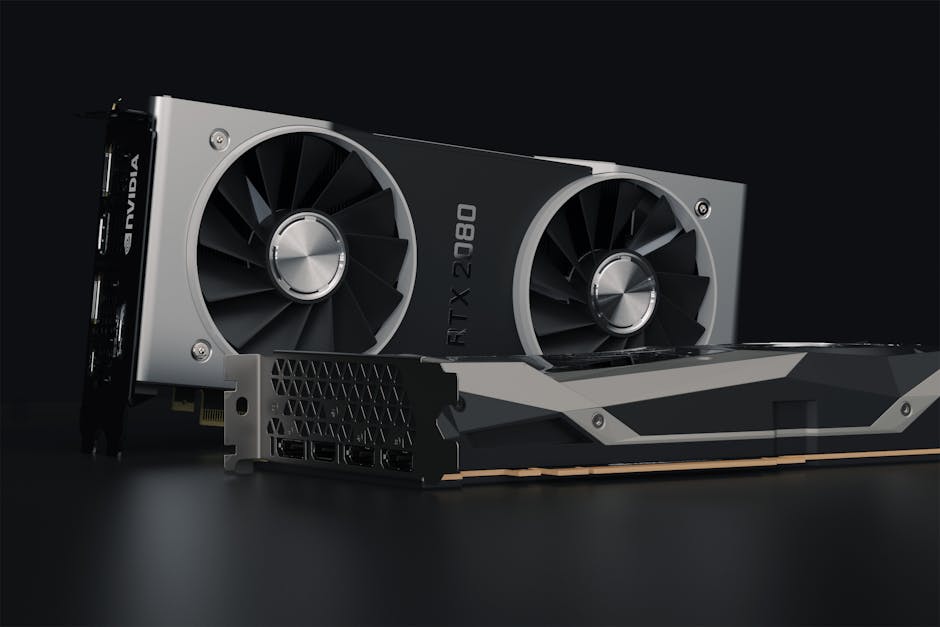
- Ray tracing demands significant GPU power, often requiring specialized hardware cores.

Practical Applications in Modern Gaming
Game developers rarely use just one of these methods. Instead, they use a blend to achieve the best balance of performance and beauty. Many modern games rely on rasterization for the main geometry of the world and character models, as it is fast and handles large scenes easily.
Developers then layer on specific ray-tracing effects to elevate the visual quality. You might see a game that uses traditional techniques for the general world but employs ray tracing specifically for realistic reflections on wet surfaces or highly accurate ambient occlusion. This targeted approach allows for a massive visual upgrade without tanking the entire game's performance.
This hybrid approach is currently the gold standard in the industry. It ensures that the player gets the smooth gameplay they expect while benefiting from the cinematic realism that only ray tracing can provide.
Why Hybrid Rendering Is the Future
The future of graphics is clearly in the hybrid space. As GPU hardware continues to evolve with more specialized cores designed for ray-tracing tasks, we will see these effects become more common and less demanding. The line between what is "real" and what is "rendered" continues to blur.
We are also seeing incredible advances in upscaling technologies. These tools use AI to render a scene at a lower resolution and then intelligently sharpen and upscale it, allowing for the visual benefits of ray tracing without the full performance penalty. This partnership between hardware capabilities and software intelligence is changing everything.
Eventually, the distinction between rasterization and ray tracing might matter less as engines become more efficient at handling complex lighting. For now, the combination is what makes modern games look better than ever.
Making the Right Hardware Choice
If you are looking to build or upgrade a gaming PC, understanding this difference is crucial. If you prioritize competitive shooters or games where frame rates are king, your focus should be on raw rasterization performance. High-end cards in this category ensure your game stays responsive during intense action.
On the other hand, if you play story-driven, cinematic games and want to experience the absolute best visuals, look for a GPU that excels in ray tracing. These cards will allow you to turn on those demanding features like ray-traced lighting and reflections, transforming the way your games look.
Ultimately, the technology you choose should align with the types of games you enjoy most. Whether you prioritize speed or visual fidelity, the right hardware will make all the difference in your experience.