The Evolution Of Cockpit Technology From Wartime To Commercial
The Birth of Flight Instrumentation
Stepping inside a modern flight deck feels more like entering a spaceship than an aircraft from the early days of aviation. The evolution of cockpit technology has completely transformed how pilots navigate the skies, turning chaotic mechanical clusters into sleek, data-driven interfaces. From the humble beginnings of wartime necessity to the highly automated systems seen on commercial jets today, the shift has been monumental.
Early aircraft lacked the sophistication we take for granted, often relying on simple tools to survive. Pilots in the early days, particularly during the intensity of wartime, had to rely heavily on intuition and a limited set of rudimentary gauges. This reliance on the human senses was often the only way to keep the aircraft flying and, more importantly, to return home safely.
The Mechanical Era of Wartime Aviation
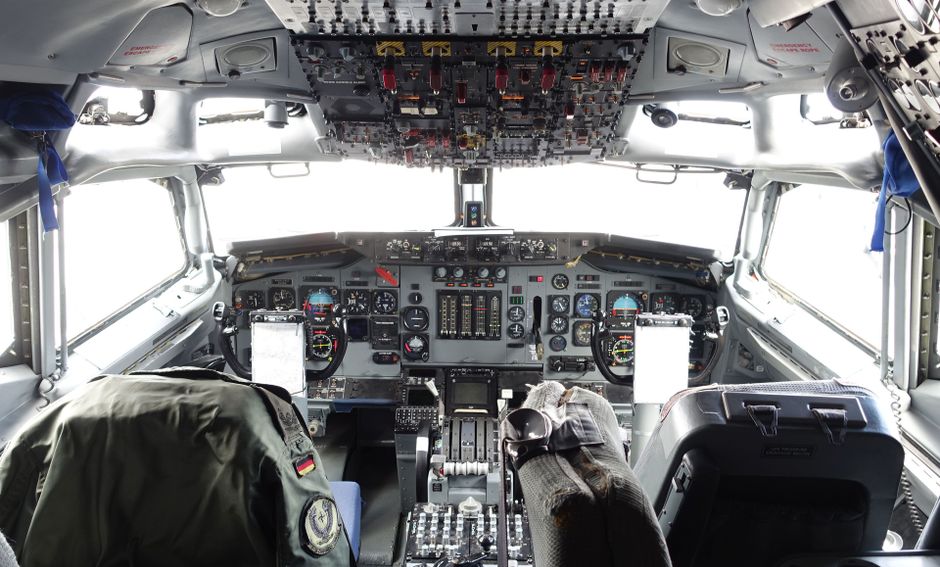
During the major conflicts of the mid-twentieth century, cockpit design focused almost exclusively on basic survival and essential flight data. Pilots were surrounded by a dizzying array of steam gauges, each measuring a single variable like altitude, airspeed, or engine temperature. Reliability was the primary goal, as these mechanical components had to withstand extreme vibration and temperature fluctuations.
A pilot’s workload during this period was immense, as they had to constantly scan these individual dials to build a mental picture of the aircraft's status. There was no integrated display to summarize data, meaning the pilot functioned as the primary processor for all flight information. This constant manual monitoring led to high levels of cognitive fatigue, especially during long-duration combat missions.
Navigating the Post-War Complexity
As aviation moved into the post-war era and commercial travel began to expand, the number of engines and systems increased rapidly. Aircraft designers struggled to accommodate the growing need for more complex navigation and communication equipment within the limited space of the flight deck. The clutter of mechanical dials reached a breaking point, making the cockpit environment increasingly prone to errors.
The introduction of newer, larger commercial airliners necessitated a shift toward better organization and functionality. Engineers began grouping instruments by their critical importance, attempting to reduce the time a pilot needed to find essential information. Despite these efforts, the sheer volume of analog information continued to challenge the limits of human situational awareness during flight.
The Digital Shift and the evolution of cockpit technology
The arrival of computing power signaled the next major phase in the evolution of cockpit technology. Scientists and engineers recognized that replacing mechanical gauges with digital displays could drastically reduce clutter and improve safety. This period introduced the earliest cathode ray tube (CRT) screens, which could consolidate multiple data points into a single, manageable view.
These early digital systems allowed pilots to see flight paths, engine performance, and weather patterns without constantly scanning disparate dials. This consolidation was revolutionary, as it allowed the pilot to focus more on higher-level decision-making rather than manually processing raw data. The transition wasn't just about appearance; it fundamentally changed how flight information was synthesized and understood in real-time.

Mastering the Glass Cockpit
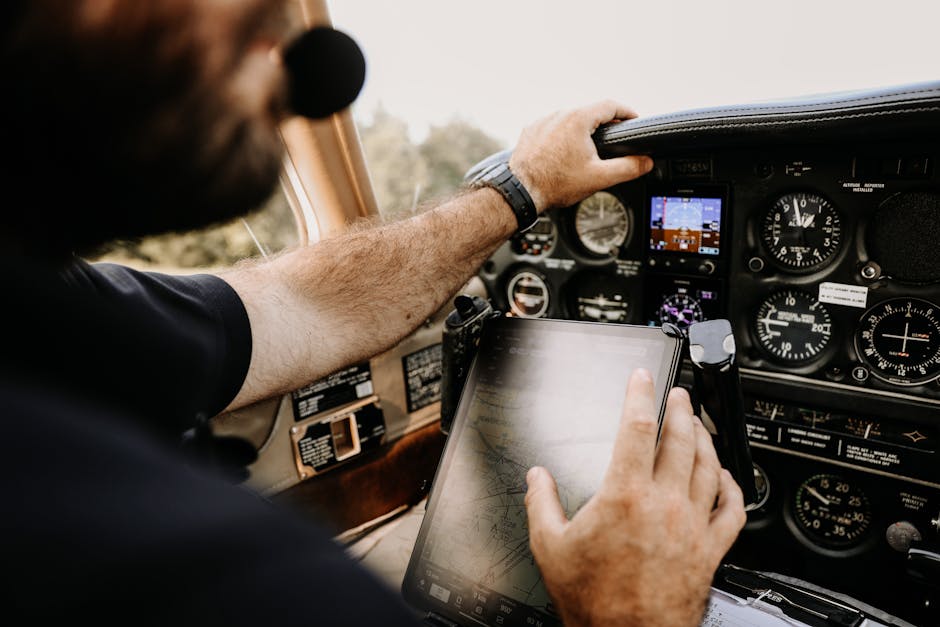
The development of the glass cockpit, characterized by the use of multiple liquid-crystal displays (LCDs), pushed automation to new heights. These screens are programmable, meaning they can display different sets of information depending on the phase of flight or the pilot's specific needs. Fly-by-wire systems further enhanced this shift by translating pilot inputs into electrical signals, allowing the computer to assist in managing flight stability.
This integration allowed for the implementation of comprehensive Flight Management Systems (FMS), which could calculate optimal routes, fuel consumption, and arrival times automatically. Pilots now spend much of their time monitoring these sophisticated systems rather than manually manipulating controls. This change has significantly reduced the physical strain of flying while increasing the capacity for managing complex commercial operations.
Key benefits of the modern glass cockpit include:
- Reduced pilot workload during critical phases of flight like takeoff and landing
- Improved situational awareness through intuitive, integrated map displays
- Greater precision in navigation and fuel management protocols
- Streamlined maintenance checks through digital system diagnostics
Prioritizing Human-Machine Interaction
Modern cockpit design places a massive emphasis on ergonomics and the human-machine interface. Designers now carefully consider how information is presented to ensure that the most critical alerts are immediately noticeable to the pilot. This human-centered approach aims to minimize cognitive overload and ensure that the pilot can react swiftly to emergencies or unexpected situations.
Advanced features such as Head-Up Displays (HUDs) project essential flight data onto the windshield, allowing pilots to look outside at the terrain while simultaneously monitoring their altitude and speed. This reduces the need to constantly look down at the primary flight displays. Such innovations drastically improve safety, particularly during low-visibility conditions or approach phases where seconds matter.
The Next Frontier in Flight Management
The future of cockpit design is trending toward even higher levels of intelligence and connectivity. Artificial intelligence is beginning to play a role in predictive maintenance, alerting pilots to potential system failures before they occur. Voice recognition technology is also being tested to allow pilots to control certain systems without taking their hands off the flight controls.
Greater connectivity with ground-based servers means that flight decks receive real-time data updates, further refining routes based on live traffic and weather conditions. These advancements aim to create a truly seamless and safe experience for passengers and crew alike. The ongoing pursuit of efficiency and safety will continue to drive new, innovative solutions that redefine the cockpit experience.