The Psychological Warfare Of High Stakes Poker Games
High-stakes poker is far more than a simple game of chance or a complex exercise in probability. When millions are on the line, the atmosphere becomes electric, and the true battle takes place entirely inside the minds of the players. Navigating the psychological warfare of high stakes poker games is essential for anyone looking to reach the pinnacle of the sport, as understanding your opponent's fears and motivations is often more important than the cards you are holding.
Success at the highest level requires a unique blend of mathematical precision and deep psychological insight. You are not just playing against cards; you are competing against the person sitting across from you. Every action, bet, and pause tells a story, and the best players are the ones who can rewrite that story to their advantage.
Understanding the Psychological Warfare of High Stakes Poker Games
The psychological warfare of high stakes poker games hinges on the ability to manipulate perception. While you might hold a marginal hand, you can still win a massive pot if you successfully convince your opponent that your hand is far stronger than it truly is. This requires a deep understanding of human nature, fear, and greed.
Every player brings their own set of anxieties and biases to the table. Some players are terrified of losing, while others are desperate to prove their dominance. By identifying these tendencies early, you can tailor your approach to exploit these vulnerabilities, turning their own emotions into weapons against them.
Mastering Emotional Control and the Poker Face
Emotional stability is the bedrock of a professional poker career. The moment you lose control of your emotions, you lose the ability to think rationally and effectively. Maintaining an impenetrable poker face is about more than just keeping a neutral expression; it is about keeping your internal state completely calm, regardless of whether you have just won or lost a massive pot.
When you feel your pulse quickening or frustration setting in, you are already at a disadvantage. High-stakes players use various techniques to stay grounded, such as controlled breathing or focusing intensely on the technical aspects of the game. If you can remain calm while your opponent is spiraling, you have already won a significant tactical victory.

Behavioral Cues and Reading Your Opponents
Reading people is a critical component of the game, and every player has unconscious tells they reveal when they are under pressure. These behavioral cues can range from subtle physical movements to changes in betting rhythm and verbal patterns. Paying close attention to how someone reacts to different situations provides a wealth of information about the strength of their hand and their current mindset.
To better analyze your opponents, keep an eye out for these common behavioral patterns:
- Involuntary physical gestures, such as twitching or sudden changes in posture.
- Variations in breathing speed or intensity during critical moments.
- How long they take to make a decision when facing a large bet.
- Changes in their betting style when they are playing a strong hand compared to when they are bluffing.
Applying Pressure Through Strategic Aggression
Aggression is a powerful tool when used correctly, and it is a cornerstone of the psychological battle at the table. By betting aggressively, you force your opponents to make difficult decisions, often putting them in positions where they must call with weak hands or fold strong ones. This creates a high-pressure environment that many players find difficult to endure.
However, blind aggression is easily countered. True strategic aggression involves knowing exactly when to increase the pressure and when to hold back. By timing your bets, you can manipulate the flow of the game and force your opponents into making mistakes that they would otherwise avoid.
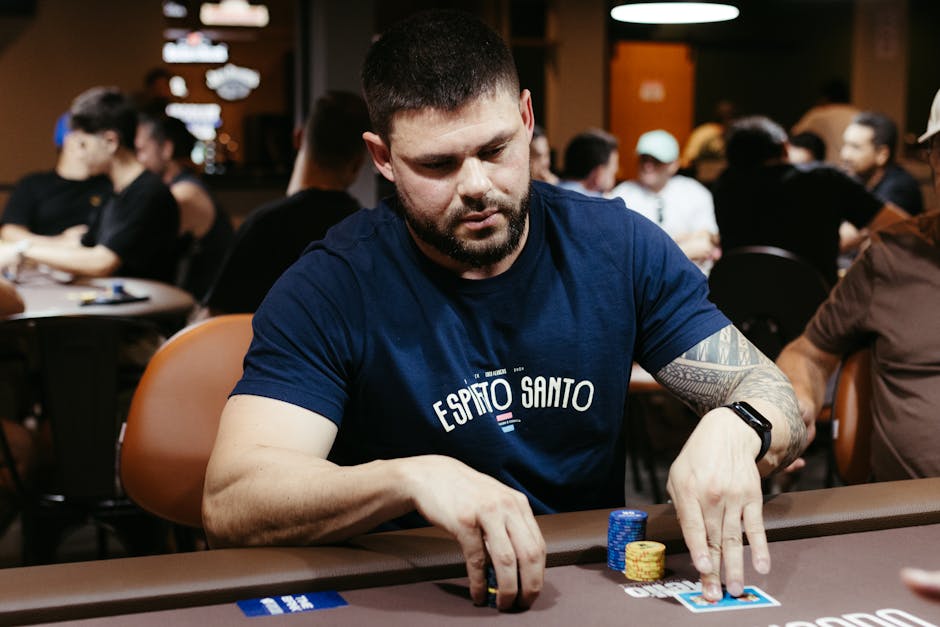
Curating Your Table Image for Maximum Impact
Your table image is the persona you project to the other players, and it heavily influences how they play against you. If you project the image of a loose, reckless player, opponents will be more inclined to call your bets when you finally have a strong hand. Conversely, if you appear tight and predictable, you can more easily bluff them because they will assume you only bet with premium cards.
You should actively manage this image throughout the game. By changing your style at strategic intervals, you can keep your opponents guessing and make it impossible for them to accurately read your intentions. This deliberate manipulation of perception is a hallmark of truly elite players.
Managing Tilt and Building Mental Resilience
Tilt is the silent killer of poker bankrolls. It occurs when a player's emotional state—usually triggered by a bad beat or a series of losses—negatively impacts their decision-making process. The most successful players are those who can quickly recognize when they are tilting and immediately step away to regain their composure.
Building mental resilience is a process of constant practice and reflection. It involves accepting that variance is an inherent part of the game and learning to detach your self-worth from the outcome of a single session. By focusing on making the right decision every time rather than worrying about the immediate result, you can maintain your edge even in the most stressful situations.
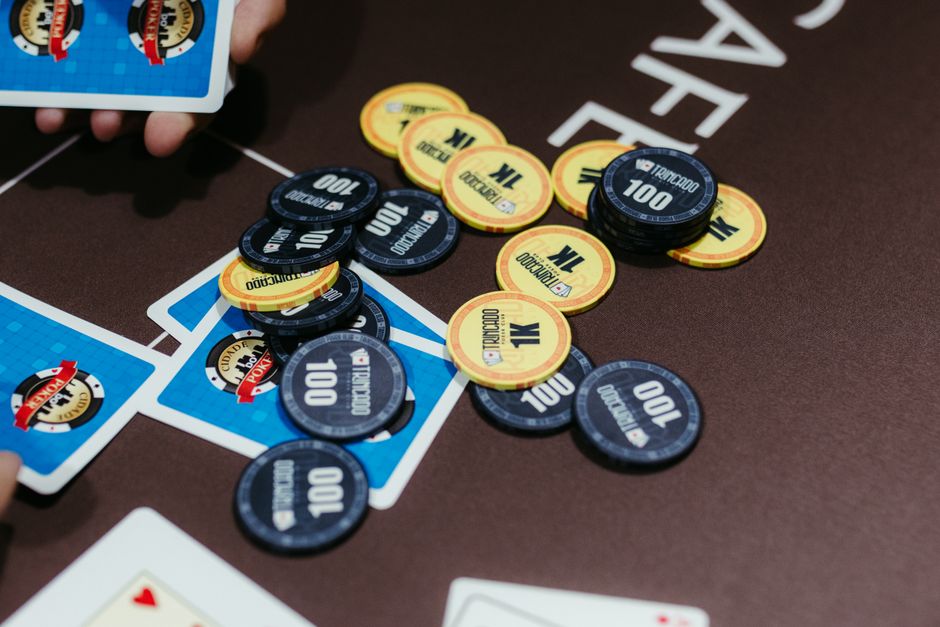
The Science Behind a Highly Successful Bluff
A successful bluff is not merely a gamble; it is a calculated attempt to exploit an opponent's perception of reality. It requires you to tell a consistent, believable story with your actions and to understand exactly how your opponent perceives that story. If your opponent believes your story, they will fold, regardless of what they are actually holding.
Great bluffers understand the importance of narrative. Every bet you make is a chapter in that story, and if the narrative is compelling and consistent, your bluff will be successful. By aligning your betting patterns with what you have led your opponent to believe about your hand, you can turn a total airball into a winning pot.