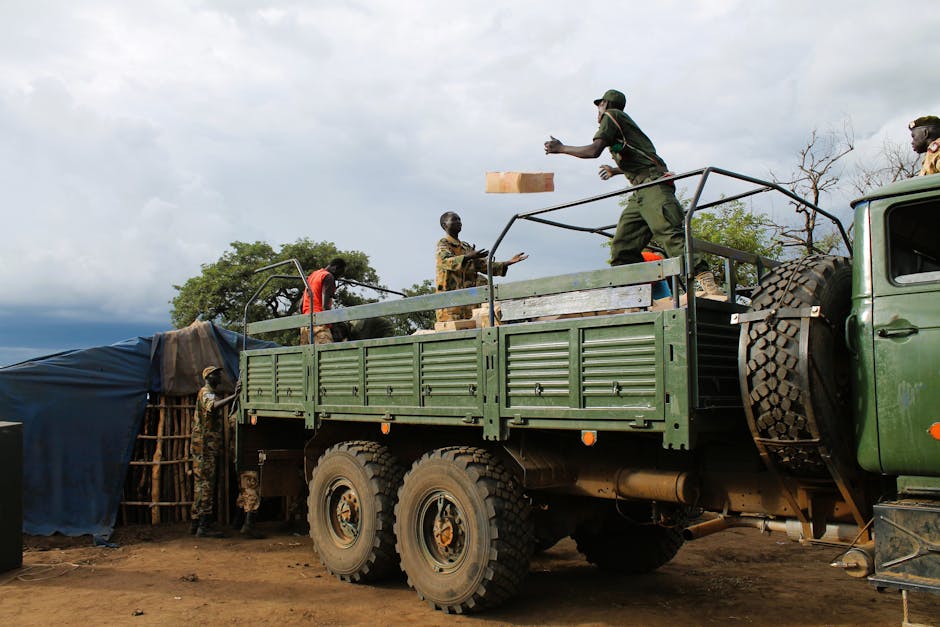
How Military Supply Chains Improved Modern Grocery Store Logistics
From Battlefield to Checkout Lane
When you walk into a grocery store and see fully stocked shelves, you are witnessing the direct result of techniques pioneered by defense logistics. The efficiency of modern grocery store logistics owes a massive debt to the robust systems originally designed to move troops and equipment across the globe. These strategies, often referred to as military supply chains, have fundamentally transformed how we get food from farms to our dinner tables.
This complex network of moving goods is no longer just about trucks and warehouses. It is about predictive analytics, strategic positioning, and unwavering reliability. By adopting these battle-tested methodologies, retailers have turned their supply networks into highly responsive engines of commerce.
Adapting Military Supply Chains for Retail Success
The transition of military logistics into the private sector began decades ago when companies started seeking better ways to manage massive, complex networks. Defense organizations faced the unique challenge of transporting food, fuel, and medical supplies to remote locations under extreme conditions. They developed systems that prioritized speed, accuracy, and accountability above all else.
Grocery giants saw the potential in these rigid, highly structured methods. They realized that if a military force could reliably feed thousands of troops in the middle of a desert, similar principles could be applied to stocking hundreds of supermarket shelves. This realization marked the beginning of a transformation that continues to redefine retail operations today.
Adapting military supply chains for retail success required a complete shift in mindset. Instead of focusing solely on costs, companies began focusing on the absolute necessity of availability. They adopted the military's emphasis on tiered logistics, where goods are staged at different points to ensure they are always ready for final delivery.
This approach allows stores to handle fluctuating demand without running out of critical items. It ensures that perishable goods move quickly, while shelf-stable items remain readily available. By creating these layered systems, grocers can anticipate consumer behavior with impressive accuracy and react proactively.
The Evolution of Real-Time Tracking
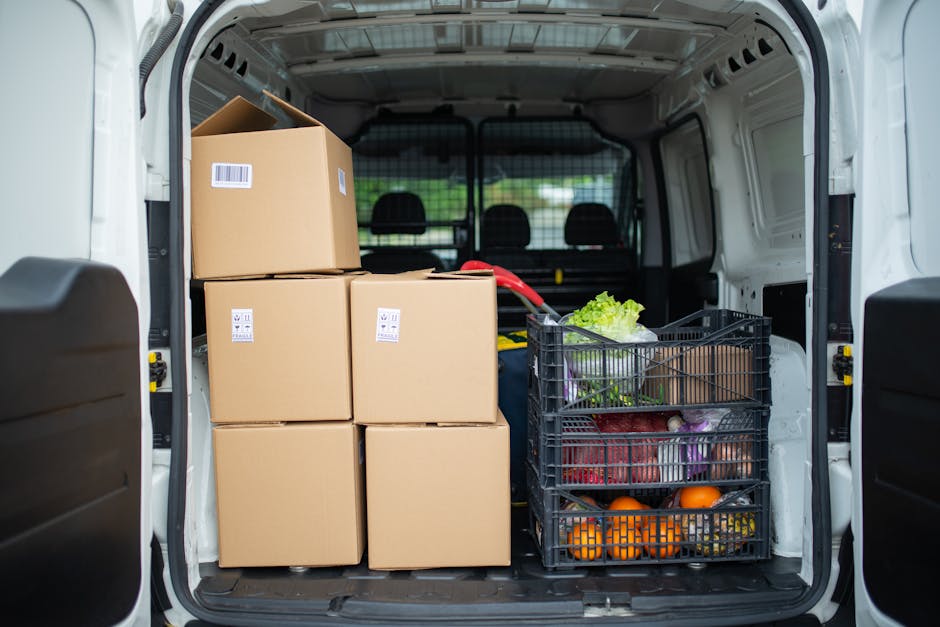
One of the most significant lessons taken from the military is the critical importance of total visibility. In combat operations, losing track of cargo can mean the difference between success and failure. The military developed sophisticated tracking technologies that monitor items from the point of origin to the final destination.
Retailers have adopted this technology to maintain a constant, real-time pulse on their inventory. Barcodes, RFID tags, and cloud-based management systems now provide instant updates on where products are in the distribution process. This level of oversight makes it possible to spot delays before they become major problems for the store.
Building Resilience Through Better Logistics
Supply chains are constantly threatened by unforeseen disruptions, such as severe weather, political instability, or sudden market shifts. The military approach prioritizes resilience by building redundancies into every part of the network. This ensures that when one path is blocked, others are readily available to maintain the flow of goods.
Grocery retailers have adopted similar strategies to protect themselves against unexpected challenges. They have learned that relying on a single supplier or shipping route is dangerous. Instead, they now cultivate a diverse network of partners to ensure stability. Key components of this resilient approach include:
- Diversified sourcing to prevent over-reliance on one manufacturer or geographic area.
- Strategic storage of critical items in multiple regional distribution centers.
- Dynamic routing to quickly reroute shipments during emergencies or weather events.
- Regular testing of logistics plans to identify vulnerabilities before they are exploited.
Precision in Just-in-Time Delivery
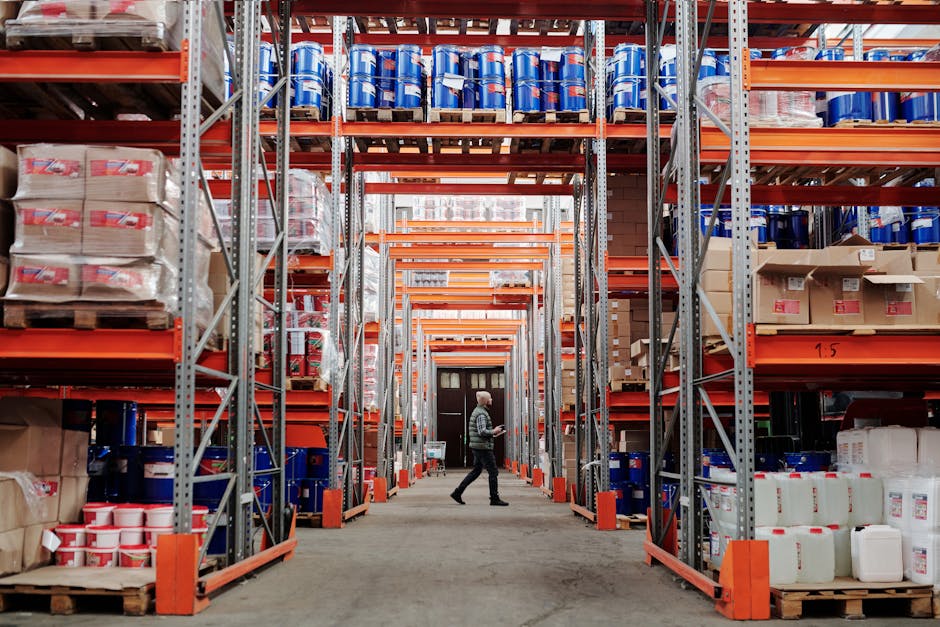
Just-in-time delivery is perhaps the most famous concept borrowed from the military's demand-driven logistics. The goal is to minimize the amount of inventory sitting in storage while ensuring items arrive exactly when they are needed. This requires an incredibly high level of precision and coordination between suppliers, transporters, and retailers.
By perfecting this balance, grocery stores significantly reduce their overhead costs. They no longer need to pay for massive warehouses to hold months of inventory. Instead, they can focus their resources on providing a wider variety of fresh and high-quality products to their customers.
Data Analytics for Smarter Planning
The final piece of this logistical puzzle is the use of data analytics for strategic planning. Military logistics relies heavily on forecasting demand based on historical data and real-time intelligence. They use this information to position resources where they are most likely to be needed before a demand surge even occurs.
Modern retailers utilize similar algorithms to predict everything from holiday shopping trends to the impact of local weather on product demand. This data-driven approach allows managers to make informed decisions about how much inventory to order and where to allocate their resources. The result is a system that feels effortless to the shopper but is powered by intense mathematical precision.
The impact of these military-inspired strategies is visible every time you complete a purchase. What seems like a simple transaction at the checkout counter is actually the culmination of a global, highly orchestrated effort. It is a testament to how effectively complex, battle-hardened ideas can improve the convenience of our daily lives.
This ongoing evolution of logistics ensures that the products you rely on are ready whenever you need them. The marriage of military discipline and commercial retail will continue to shape the future of our shopping experience. By embracing these sophisticated techniques, the grocery industry remains agile and prepared for whatever challenges lie ahead.