Why Optical Image Stabilization Matters For Crisp Mobile Videos
The Secret to Professional Mobile Video Quality
We have all been there. You are recording a memory on your smartphone, and when you finally watch the footage back, it looks like it was filmed during an earthquake. This shaky, jittery mess can quickly ruin even the most precious moments or the most important professional content.
This is exactly why optical image stabilization has become the most critical feature to look for in a modern smartphone. Unlike digital software tricks that can degrade your resolution, this hardware-based solution physically corrects for your hand tremors in real-time. It is the bridge between amateur-looking clips and crisp, cinematic videos that actually grab attention.
How Optical Image Stabilization Actually Works
At its core, optical image stabilization, commonly known as OIS, is a masterpiece of miniaturized engineering tucked right inside your camera lens module. It uses tiny gyroscopes to detect the slightest physical movements or vibrations of your phone while you are filming. Once the movement is detected, the camera lens or sensor physically shifts in the opposite direction to compensate for the shake.
This physical movement happens almost instantaneously, often thousands of times per second. By moving the optics to counteract your hand movements, the image remains centered and steady on the camera sensor before the light is ever converted into a digital file. This hardware-level approach ensures that what you see on your screen is exactly what you get, without the need for intensive post-processing later.

Why Shake-Free Footage is Essential for Engagement
In a landscape dominated by quick-scrolling social media feeds, viewer retention is everything. If your video is jittery or hard to follow, viewers will subconsciously scroll past within the first few seconds. Sharp, stable footage signals quality, making your content feel more authoritative and visually pleasing.
Stable videos also help maintain focus on your subject rather than the distraction of motion artifacts. When you provide a smooth viewing experience, your audience is far more likely to watch until the end, comment, or share your work. Using a device equipped with optical image stabilization is one of the easiest ways to instantly improve your production value without needing a professional camera rig.
The Difference Between Electronic and Optical Solutions
It is common to confuse OIS with electronic image stabilization, or EIS, but they function in fundamentally different ways. EIS is a software-based solution that crops into the video frame to stabilize the image, which often results in a loss of resolution and quality. While useful in some scenarios, it cannot match the raw clarity produced by optical hardware.
On the other hand, optical image stabilization does not need to crop your image, meaning you retain the full resolution and sharpness of your camera sensor. It is superior for capturing fine details, especially in high-resolution modes like 4K, where cropping would significantly diminish the final video quality. Relying on OIS ensures you are always getting the highest fidelity your camera is capable of producing.

Capturing Cinematic B-Roll on the Go
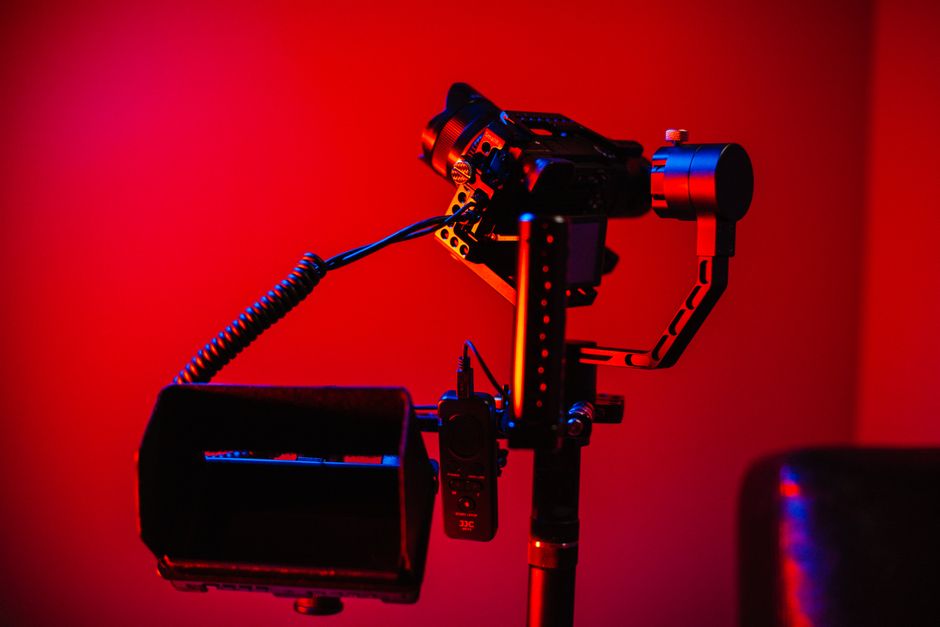
Many creators want to film cinematic b-roll or sweeping shots without carrying around a bulky tripod or gimbal. With a stabilized camera, you can move, pan, and tilt your phone while walking, and the result will remain impressively smooth. This freedom allows for a much more natural and immersive filming style that fits perfectly into lifestyle or travel content.
You can achieve professional results simply by holding the phone carefully with both hands and utilizing the built-in stabilization technology. It transforms your smartphone into a portable filmmaking tool that is ready for action at a moment’s notice. Whether you are filming a product reveal or a walk-and-talk video, the ability to film handheld with confidence is a game changer.
Low-Light Performance and the Hidden Advantage
One of the most overlooked benefits of optical image stabilization is its massive impact on low-light video recording. In dim environments, your camera needs to keep its shutter open longer to let in enough light, which makes the footage extremely susceptible to even the tiniest amount of shake. Without stabilization, these shots usually turn into a blurry, unusable mess.
Because OIS keeps the lens steady for those longer exposures, your footage remains crisp even when you are filming in a dark restaurant or a dimly lit street. This allows the camera sensor to gather more light without introducing motion blur. If you frequently find yourself filming at night or in challenging lighting conditions, having hardware-based stabilization is absolutely mandatory for clean results.
Tips for Maximizing Your Stabilization Results
While OIS is incredibly powerful, it is not invincible, and your technique still plays a role in the final output. Learning how to move smoothly and support your device can help the stabilization system work even more effectively. Follow these simple tips to get the best results:
- Hold your phone with both hands, keeping your elbows tucked close to your body to create a natural tripod effect.
- Use your whole torso to pan while filming, rather than just twisting your wrists, to keep movements fluid.
- When walking while filming, try to walk with a slight bend in your knees to absorb the impact of each step before it reaches your hands.
- Combine your phone's OIS with a small, lightweight handheld grip for extra stability and better ergonomics.
Investing in a smartphone with excellent optical image stabilization is one of the best decisions you can make for your content creation journey. It bridges the gap between casual snapshots and professional-grade video, providing the reliability you need to capture any moment with clarity. By choosing the right hardware, you ensure that every video you produce is smooth, sharp, and ready to be seen by the world.