How Modding Communities Support Game Developmenthow Pc Games Achieve High Frame Rate Performance
The PC Gaming Experience: A Community Driven Landscape
PC gaming offers an unparalleled level of freedom that keeps players engaged for years. You might wonder how modding communities support game development, transforming aging titles into fresh, exciting experiences long after release. Equally compelling is understanding how pc games achieve high frame rate performance, keeping every interaction smooth even in the most intense action sequences. These two pillars define why so many gamers prefer a customizable desktop rig.
The synergy between developer releases and community enhancements creates a unique feedback loop. Players are no longer just passive consumers; they actively shape their environment, optimizing both visual fidelity and gameplay speed. Let us dive into the mechanics and collaborative efforts that make this possible.
Beyond the Base Game: How Modding Communities Support Game Development
Modding communities act as an extension of the development team, often adding years of life to a title. When creators open their game engines to the public, they allow enthusiasts to fix bugs that the original studio may have overlooked. This collaborative maintenance ensures that a game remains playable on modern hardware, which is a massive benefit for longevity.
Furthermore, these communities often experiment with features that become industry standards. Modders frequently prototype mechanics, user interface improvements, or total conversion projects that later inspire official sequels or DLC. By analyzing what players build themselves, developers gain valuable insights into what the audience truly wants to see.

The Secrets of Speed: How PC Games Achieve High Frame Rate Performance
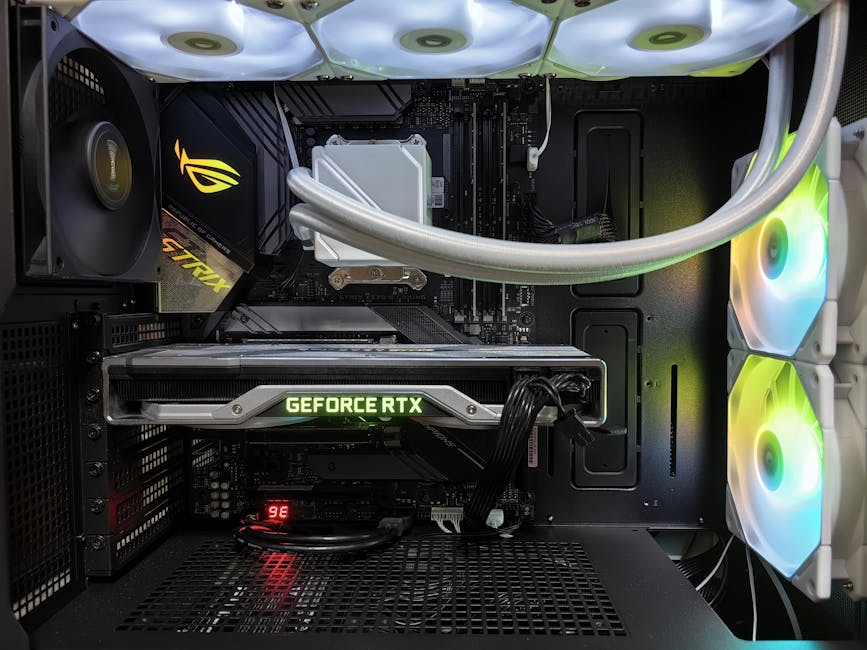
Achieving a smooth, high frame rate is the holy grail for competitive PC gamers. It depends on a delicate dance between your hardware specifications and the underlying game engine optimization. Developers must balance graphical fidelity with processing efficiency to ensure the game remains responsive and immersive.
Graphics drivers also play a massive role in this technical equation. Regular updates from GPU manufacturers frequently fix known bottlenecks and introduce sophisticated techniques like upscaling and frame generation. When these elements align perfectly, the result is a fluid, stutter-free experience that feels genuinely responsive.
When Mods Meet Optimization
Sometimes, the base game requires an extra push, and this is where the community shines. Many popular mods are dedicated specifically to improving performance, often stripping away redundant assets or streamlining rendering pipelines that were poorly implemented. These community-led optimizations can make a game playable on much older hardware than the developers initially intended.
This technical support is incredibly valuable, as it democratizes gaming access. Instead of forcing players to upgrade their expensive hardware, community patches provide an alternative route to stability. Key examples of this include:
- Texture optimization mods that reduce VRAM usage without sacrificing visual clarity.
- Custom engine tweaks that bypass frame rate locks or hidden limitations.
- Script cleanup patches that resolve CPU overhead issues in complex scenes.

The Hardware and Software Balancing Act
Achieving consistent performance requires more than just raw power. Modern games rely heavily on how effectively they utilize multi-core processors and how intelligently they manage background assets. Developers work constantly to ensure that game logic is offloaded correctly, allowing the GPU to focus solely on rendering frames as fast as possible.
PC users benefit from the ability to tweak these settings extensively. By adjusting shadow quality, ambient occlusion, or anti-aliasing, players can find the sweet spot between visual beauty and speed. This flexibility is a defining feature of the platform, enabling users to tailor their experience based on their specific hardware capabilities.
Community-Driven Evolution of Titles
The relationship between developers and modders has evolved into a symbiotic partnership. Many studios now actively encourage modding, providing tools and documentation to facilitate the creation of content. This reduces the burden on the original developers while drastically expanding the game's feature set and content variety.
When developers embrace this support, they often see a massive increase in player retention and community loyalty. Projects that might have faded into obscurity are instead reborn, supported by a dedicated group of volunteers. This ensures that a game remains relevant and enjoyable for a far broader audience than the initial launch might have reached.
A Thriving, Collaborative Ecosystem
The future of PC gaming relies on this ongoing collaboration between studios and the community. As games become more complex, the need for community optimization and longevity support will only increase. By sharing the workload of polishing and extending titles, both developers and players benefit from a richer experience.
Whether it is through creating new storylines or finding creative ways to boost frame rates, the impact of these enthusiasts cannot be overstated. This shared investment in the gaming experience keeps the platform vibrant, evolving, and technically impressive for every type of player.