How To Use Negative Space In Smartphone Photography Composition
Understanding the Power of Empty Space
Have you ever looked at a photo and felt overwhelmed by too much clutter? Often, the most effective way to make your images stand out is by embracing the emptiness. Understanding how to use negative space in smartphone photography composition is the secret to creating clean, impactful images that grab attention instantly. It is truly about what you choose to leave out as much as what you choose to include.
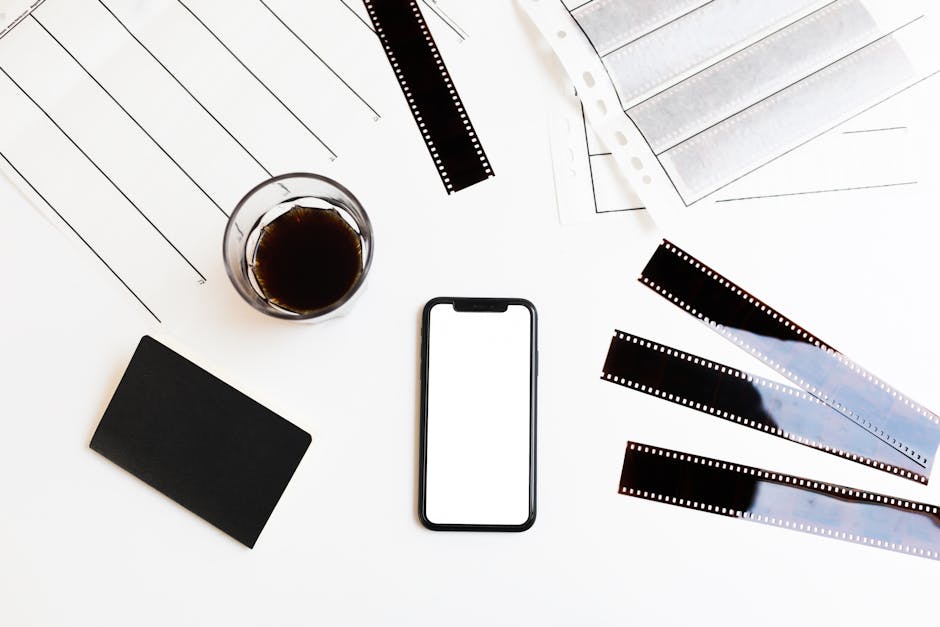
Negative space, sometimes called white space, refers to the area around and between your main subject. When used correctly, it creates a visual sanctuary that gives the viewer’s eye a place to rest. By intentionally leaving portions of your frame empty, you allow the subject to breathe and tell a more compelling story.
Why Simplicity Wins in Mobile Photos
Mobile photography often suffers from busy, chaotic frames because of the wide-angle lenses typically found on smartphones. When everything in the scene is competing for attention, the viewer loses focus on what actually matters. Adopting a minimalist approach helps you cut through that noise and deliver a clearer message.
Simplicity forces the viewer to engage with the subject immediately rather than scanning the entire frame for context. This technique turns ordinary snapshots into intentional pieces of art. When you strip away the distractions, the emotional impact of your photograph increases tenfold.

How to Find Negative Space Anywhere
Finding negative space is easier than you might think, even in crowded city environments. Start by looking for expansive, uniform surfaces that can act as a backdrop for your subject. Brightly lit walls, a clear blue sky, or even a calm body of water can serve as perfect canvases for your composition.
You can also create your own negative space by changing your physical perspective. Try getting lower to the ground to use the sky as your backdrop, or move closer to your subject to block out busy backgrounds. The key is to be deliberate about what you include and, more importantly, what you exclude from the frame.
Mastering Negative Space in Smartphone Photography Composition
To master negative space in smartphone photography composition, you must train your eye to see beyond the subject itself. Instead of focusing solely on the person or object you are photographing, start observing the surrounding area. Ask yourself if the background adds value or simply serves as unnecessary clutter.
Once you identify a potential subject, experiment with placement within the frame to balance the empty area. You do not always need to place your subject in the center to create a powerful image. Sometimes, pushing your subject to the edge of the frame while leaving the rest open creates a sense of scale, mystery, or movement.
- Look for contrast: A dark subject against a light, empty background creates immediate visual tension.
- Simplify textures: Use smooth, plain surfaces as your negative space to highlight a subject with complex textures or colors.
- Utilize light: Deep shadows or bright highlights can function as negative space when they obscure details around your subject.
- Check the edges: Before snapping, ensure no stray elements are creeping into your negative space area, which could ruin the clean look.

Composition Rules That Pair Well with Negative Space
Negative space works exceptionally well when combined with established photography rules. The rule of thirds, for instance, provides a great starting point for balancing your subject with a large, empty area. By placing your subject on one of the intersecting lines, you naturally create a balance between the subject and the surrounding space.
Another powerful technique is the use of leading lines. You can use lines in the environment to guide the viewer’s eye through the negative space directly to your subject. This creates a journey for the viewer, making the empty space feel like a deliberate part of the narrative rather than just missing content.
Common Mistakes to Avoid When Framing
One of the most common pitfalls is simply leaving too much empty space, which can make the subject feel disconnected or lost. While the goal is minimalism, the subject still needs to hold enough weight to anchor the image. If the negative space overwhelms the subject, the photo loses its focal point.
Another mistake is failing to consider the interaction between the subject and the space. If your subject is looking or moving, make sure they are facing into the negative space rather than away from it. When a subject faces out of the frame into the empty space, it creates a sense of unease or incompleteness that rarely works in your favor.
Elevating Your Smartphone Photography Skills
Practicing the art of negative space will fundamentally change how you approach every shot you take. It encourages you to slow down, analyze your environment, and think about the story you are telling. With enough practice, this way of seeing will become second nature, and your images will consistently convey a sense of professionalism and intent.
Smartphone cameras have made it incredibly easy to capture moments quickly, but that speed can lead to uninspired compositions. By purposefully slowing down and incorporating negative space, you will elevate your photography from standard mobile captures to truly stunning, artistic photographs. Start looking for that breathing room in your next shot, and watch how it transforms your work.